How Many Hours Is a Part Time Job in California?
How many hours is a part-time job in California? This guide covers work schedules, health benefits, sick leave, overtime, and breaks.

How many hours is a part-time job in California? This guide covers work schedules, health benefits, sick leave, overtime, and breaks.

By Brad Nakase, Attorney
Email | Call (800) 484-4610
Have a quick question? We answered nearly 2000 FAQs.
The standard full-time requirement for pay considerations is forty hours per week in California; however, the minimum requirement for qualification for health benefits is thirty hours per week. Your schedule may appear full-time, but your benefits do not begin because of the 10-hour lapse.
You’re most likely not looking for fun if you’re trying to find out how many hours a part-time position in California requires. You’re attempting to determine what you are eligible for, why the schedule seems like that, or the reason your benefits don’t seem to start. You may be evaluating offers, making plans for childcare, setting aside money for a mortgage, or questioning whether your company is keeping you in a quandary by using the term “part-time.”
The annoying thing is that there isn’t one statewide regulation that clarifies it. In actual places of employment, “part-time” is frequently used as a flexible term by employers for time management, with varied limits for benefits and compensation. Confusion arises from this mismatch, and employees may unknowingly lose cash and coverage as a result.
Most employees consider “part-time” as working fewer than forty hours a week. That is typically the case when speaking informally at work. Because you aren’t planned for 40, your manager may say, “You are part-time.”
Benefits, however, are not always defined in the same way. Many companies turn to the structure of the Affordable Care Act for health coverage. According to the Affordable Care Act, an employee is “full-time” if they work an average of thirty hours a week. That is 130 hours each month (approx.). Because of this, an individual may feel full-time in everyday life with consistent shifts, availability, and weekend coverage, yet whenever benefits are at stake, they may still be considered part-time.
Schedules that swing around 28-29 hours are also a result of this. The gap between being denied workplace coverage and being qualified for it can be as little as one or two hours. Many workers are confused about how many hours a part-time job is.
You’re not dreaming if your timetable is regularly set for 29 hours. Your working hours may depend partly on how many hours a part-time job is.
To control benefit expenses, many employers maintain schedules of slightly less than thirty hours, which may be lawful in and of itself. The issue arises when a decline occurs immediately following a protected action, such as asking human resources if you are eligible for health insurance, seeking paid time off for illness, or reporting dangerous situations or harassment, and the corporation then blames it on “business needs.”
Business can slow down at times. Sometimes, timing is crucial. It’s a tactic used to put a burden on you to cease documenting, asking questions, & resisting. It could constitute retaliation if your hours drop immediately after you voice a concern.
Related Read: What Are the Minimum Hours Required to Be Considered Part-Time?
Another field where employees receive incorrect data is paid sick leave, sometimes due to outdated policies and at other times because employers profit when employees fail to inquire.
With effect from January 1, 2024, California extended paid sick leave. For many employees, the practical lesson is straightforward: being part-time is not an indication that you have no sick leave. The majority of workers accrue paid sick leave, and statewide guidelines have been raised (often stated as up to forty hours or five, depending on the company’s approach and policy design).
You shouldn’t take your employer’s statement, “You are part-time, so you are not entitled to sick leave,” at its value. It’s out of date, at the very least. It is illegal in some situations.
You can still be compensated for overtime even if you work part-time. Employers frequently urge “part-time” workers to put in over forty hours, despite what the general public believes.
Working overtime could qualify you for time & a half or perhaps twice your regular salary, irrespective of whether or not you are classified as part-time or full-time. Your schedule may depend on how many hours a part-time job is.
However, some positions are exempt from the overtime rules. The majority of these exclusions apply to executive & professional roles.
All employees are subject to vacation time laws. State law outlines what is considered earned vacation if a company adopts an agreement or policy on giving it, even though it doesn’t require that employers grant workers vacation time. According to the firm, all workers may be eligible for vacation time; however, full-time workers may accrue it more quickly.
Earned vacation time is defined by state regulations as wages that are accrued or earned in actual time. Furthermore, irrespective of the basis for termination, vacation time can’t be taken back even in cases when employment is discontinued. Employers must reimburse employees for any accumulated time off at the identical rate of compensation upon termination. Additionally, if a dismissal takes place in the middle of the year, yearly vacation time has to be prorated. Advanced vacation days cannot be subtracted from a subsequent or final payment under state law.
Leftover vacation time can’t be lost by employees between years. Nonetheless, a limit on vacation time can be set so that workers may use all of their accrued vacation time before earning further time. Employers, not the state, choose a threshold amount.
The administration of vacation compensation is an additional control component that employers are entitled to. An employer may specify, for example, when & what amount of vacation time is permitted at a given period.
Several part-time employees are informed that they aren’t eligible for breaks. In actuality, you are entitled to rest and eating breaks even if you work part-time.
The duration of each shift in which you work determines how many rest intervals you are entitled to during the workday. For every 4 hours that you work, the company is required by California law to provide you with a 10-minute break.
For “significant portions” of a 4-hour workday, you ought to be given a 10-minute break. Any work session longer than 2 hours makes up a significant portion of a 4-hour workday. When you operate in excess of five hours in one day, you are entitled to a thirty-minute unpaid lunch break.
Penalties are imposed on employers that fail to give their workers enough breaks. If your company disregards state rest and lunch break regulations, an attorney can assist you in claiming your rights and recovering damages.
Part-time employees in California who meet the state’s wage standards may be eligible for unemployment insurance benefits. Wages earned over a twelve-month baseline period are used by the EDD to determine eligibility.
Part-time employees must actively look for job opportunities and be readily available for work to keep their benefits, just like in any other state. They are able to take part-time jobs with fewer perks. Additionally, prior wages determine the weekly benefit level. For a maximum of 26 weeks, part-time employees who lost their jobs due to no mistake of their own choosing may get between $40 & $450 each week.
Although businesses must abide by state rules that are more stringent than the federal rules, the FLSA remains a federal statute that sets national requirements for worker compensation.
Part-time and full-time employment are not defined by the FLSA, but additional federal laws specify whether a company has specific duties to its workers. Company policies can determine how many hours a part-time job is within a particular workplace.
For example, the ACA (Affordable Care Act) will affect your categorization if you are employed by a company with more than fifty full-time workers, at least in terms of health insurance.
According to the ACA, “full-time” employment is defined as thirty hours a week. If you are insured by the Affordable Care Act, your company is required to either pay a fine to the government or offer you adequate healthcare benefits.
In this case, the majority of businesses decide to provide health insurance. Small businesses are obviously exempt from this ACA mandate.
Workers are often classified as part-timers by their employers. They are still expected to work forty hours per week. They often do this to conserve money by refusing full-time workers the benefits to which they are entitled.
If you think your employer misclassified you as working part-time, you can file a lawsuit. Misclassified self-employed individuals are not the subject of every one of these claims. Part-time employees who were incorrectly classified can also use them. These claims demand accurate employee classification, availability of associated benefits, and reimbursement for back wages and perks that were earlier withheld from employees.
Class actions are often the result of such misclassification claims. If the employer is misclassifying you as a part-time worker, you are undoubtedly being misclassified along with fellow employees of the company. It is essential to consult an employment lawyer to decide how to move forward.
We urge you to understand that the claim that many employees are not entitled to the same rights and benefits as their full-time coworkers is untrue.
In California, working part-time still grants you the majority of the same privileges as regular employees. Get in touch with a credible lawyer if the employer is defrauding you of your wages and benefits by utilizing your part-time designation.
Have a quick question? We answered nearly 2000 FAQs.
See all blogs: Business | Corporate | Employment
Most recent blogs:
 https://california-business-lawyer-corporate-lawyer.com/wp-content/uploads/2026/10/What-is-Supplemental-Pay.jpg
790
1057
shawna
http://california-business-lawyer-corporate-lawyer.com/wp-content/uploads/2022/05/Nakase-Wade-logo-transparent-200x54px.png
shawna2026-10-01 13:25:222026-10-01 13:25:31What Is Supplemental Pay? Types, Examples, and Tax Rules
https://california-business-lawyer-corporate-lawyer.com/wp-content/uploads/2026/10/What-is-Supplemental-Pay.jpg
790
1057
shawna
http://california-business-lawyer-corporate-lawyer.com/wp-content/uploads/2022/05/Nakase-Wade-logo-transparent-200x54px.png
shawna2026-10-01 13:25:222026-10-01 13:25:31What Is Supplemental Pay? Types, Examples, and Tax Rules https://california-business-lawyer-corporate-lawyer.com/wp-content/uploads/2026/10/On-call-For-Work-Laws.jpg
800
1060
Nakase
http://california-business-lawyer-corporate-lawyer.com/wp-content/uploads/2022/05/Nakase-Wade-logo-transparent-200x54px.png
Nakase2026-10-01 13:20:052026-10-01 13:20:06On-Call Pay Laws in California: Employee Rights and Employer Obligations
https://california-business-lawyer-corporate-lawyer.com/wp-content/uploads/2026/10/On-call-For-Work-Laws.jpg
800
1060
Nakase
http://california-business-lawyer-corporate-lawyer.com/wp-content/uploads/2022/05/Nakase-Wade-logo-transparent-200x54px.png
Nakase2026-10-01 13:20:052026-10-01 13:20:06On-Call Pay Laws in California: Employee Rights and Employer Obligations https://california-business-lawyer-corporate-lawyer.com/wp-content/uploads/2026/10/What-happens-if-you-get-caught-lying-on-unemployment.jpg
781
1065
shawna
http://california-business-lawyer-corporate-lawyer.com/wp-content/uploads/2022/05/Nakase-Wade-logo-transparent-200x54px.png
shawna2026-10-01 13:15:492026-10-01 13:15:50What Happens If You Get Caught Lying on Unemployment in California?
https://california-business-lawyer-corporate-lawyer.com/wp-content/uploads/2026/10/What-happens-if-you-get-caught-lying-on-unemployment.jpg
781
1065
shawna
http://california-business-lawyer-corporate-lawyer.com/wp-content/uploads/2022/05/Nakase-Wade-logo-transparent-200x54px.png
shawna2026-10-01 13:15:492026-10-01 13:15:50What Happens If You Get Caught Lying on Unemployment in California? https://california-business-lawyer-corporate-lawyer.com/wp-content/uploads/2026/10/How-many-hours-is-considered-part-time-work.jpg
782
1062
Nakase
http://california-business-lawyer-corporate-lawyer.com/wp-content/uploads/2022/05/Nakase-Wade-logo-transparent-200x54px.png
Nakase2026-10-01 13:09:322026-10-01 13:10:07How Many Hours Is a Part Time Job in California?
https://california-business-lawyer-corporate-lawyer.com/wp-content/uploads/2026/10/How-many-hours-is-considered-part-time-work.jpg
782
1062
Nakase
http://california-business-lawyer-corporate-lawyer.com/wp-content/uploads/2022/05/Nakase-Wade-logo-transparent-200x54px.png
Nakase2026-10-01 13:09:322026-10-01 13:10:07How Many Hours Is a Part Time Job in California? https://california-business-lawyer-corporate-lawyer.com/wp-content/uploads/2026/10/What-Does-It-Mean-if-Medical-Expenses-Are-Pre-Tax.jpg
793
1065
Amit
http://california-business-lawyer-corporate-lawyer.com/wp-content/uploads/2022/05/Nakase-Wade-logo-transparent-200x54px.png
Amit2026-10-01 13:06:372026-10-01 13:06:38What Does Medical Pre-Tax Mean?
https://california-business-lawyer-corporate-lawyer.com/wp-content/uploads/2026/10/What-Does-It-Mean-if-Medical-Expenses-Are-Pre-Tax.jpg
793
1065
Amit
http://california-business-lawyer-corporate-lawyer.com/wp-content/uploads/2022/05/Nakase-Wade-logo-transparent-200x54px.png
Amit2026-10-01 13:06:372026-10-01 13:06:38What Does Medical Pre-Tax Mean? https://california-business-lawyer-corporate-lawyer.com/wp-content/uploads/2026/10/Difference-between-Paid-Time-Off-PTO-vs-Accrual-Paid-Sick-Leave.jpg
792
1051
Nakase
http://california-business-lawyer-corporate-lawyer.com/wp-content/uploads/2022/05/Nakase-Wade-logo-transparent-200x54px.png
Nakase2026-10-01 12:41:002026-10-01 12:41:01PTO vs Sick Time in California: Rules, Accrual, and Payouts
https://california-business-lawyer-corporate-lawyer.com/wp-content/uploads/2026/10/Difference-between-Paid-Time-Off-PTO-vs-Accrual-Paid-Sick-Leave.jpg
792
1051
Nakase
http://california-business-lawyer-corporate-lawyer.com/wp-content/uploads/2022/05/Nakase-Wade-logo-transparent-200x54px.png
Nakase2026-10-01 12:41:002026-10-01 12:41:01PTO vs Sick Time in California: Rules, Accrual, and Payouts https://california-business-lawyer-corporate-lawyer.com/wp-content/uploads/2026/10/Job-Enrichment-Definition-Benefits-and-Implementation-strategies.jpg
790
1058
Amit
http://california-business-lawyer-corporate-lawyer.com/wp-content/uploads/2022/05/Nakase-Wade-logo-transparent-200x54px.png
Amit2026-10-01 12:33:462026-10-01 12:33:47Job Enrichment: Definition, Benefits, and Implementation Strategies
https://california-business-lawyer-corporate-lawyer.com/wp-content/uploads/2026/10/Job-Enrichment-Definition-Benefits-and-Implementation-strategies.jpg
790
1058
Amit
http://california-business-lawyer-corporate-lawyer.com/wp-content/uploads/2022/05/Nakase-Wade-logo-transparent-200x54px.png
Amit2026-10-01 12:33:462026-10-01 12:33:47Job Enrichment: Definition, Benefits, and Implementation Strategies https://california-business-lawyer-corporate-lawyer.com/wp-content/uploads/2026/10/Gainsharing-Boosting-Team-Performance-and-Profits.jpg
799
1059
Amit
http://california-business-lawyer-corporate-lawyer.com/wp-content/uploads/2022/05/Nakase-Wade-logo-transparent-200x54px.png
Amit2026-10-01 12:25:062026-10-01 12:25:07Gainsharing: Boosting Team Performance and Profits
https://california-business-lawyer-corporate-lawyer.com/wp-content/uploads/2026/10/Gainsharing-Boosting-Team-Performance-and-Profits.jpg
799
1059
Amit
http://california-business-lawyer-corporate-lawyer.com/wp-content/uploads/2022/05/Nakase-Wade-logo-transparent-200x54px.png
Amit2026-10-01 12:25:062026-10-01 12:25:07Gainsharing: Boosting Team Performance and Profits https://california-business-lawyer-corporate-lawyer.com/wp-content/uploads/2026/10/Functional-Conflict-Driving-Team-Success.jpg
795
1058
Amit
http://california-business-lawyer-corporate-lawyer.com/wp-content/uploads/2022/05/Nakase-Wade-logo-transparent-200x54px.png
Amit2026-10-01 12:16:502026-10-01 12:17:45Functional Conflict: Driving Team Success
https://california-business-lawyer-corporate-lawyer.com/wp-content/uploads/2026/10/Functional-Conflict-Driving-Team-Success.jpg
795
1058
Amit
http://california-business-lawyer-corporate-lawyer.com/wp-content/uploads/2022/05/Nakase-Wade-logo-transparent-200x54px.png
Amit2026-10-01 12:16:502026-10-01 12:17:45Functional Conflict: Driving Team Success https://california-business-lawyer-corporate-lawyer.com/wp-content/uploads/2026/09/Job-Characteristics-Model.jpg
793
1145
Amit
http://california-business-lawyer-corporate-lawyer.com/wp-content/uploads/2022/05/Nakase-Wade-logo-transparent-200x54px.png
Amit2026-09-16 03:13:292026-09-16 03:13:30Job Characteristics Model: Definition, Core Characteristics, and Examples
https://california-business-lawyer-corporate-lawyer.com/wp-content/uploads/2026/09/Job-Characteristics-Model.jpg
793
1145
Amit
http://california-business-lawyer-corporate-lawyer.com/wp-content/uploads/2022/05/Nakase-Wade-logo-transparent-200x54px.png
Amit2026-09-16 03:13:292026-09-16 03:13:30Job Characteristics Model: Definition, Core Characteristics, and Examples https://california-business-lawyer-corporate-lawyer.com/wp-content/uploads/2026/09/Checklist-for-How-to-Fire-an-Employee-in-California.jpg
786
1055
Nakase
http://california-business-lawyer-corporate-lawyer.com/wp-content/uploads/2022/05/Nakase-Wade-logo-transparent-200x54px.png
Nakase2026-09-16 03:00:442026-09-16 03:00:45California Employee Termination Checklist: How to Fire an Employee and Follow Termination Laws
https://california-business-lawyer-corporate-lawyer.com/wp-content/uploads/2026/09/Checklist-for-How-to-Fire-an-Employee-in-California.jpg
786
1055
Nakase
http://california-business-lawyer-corporate-lawyer.com/wp-content/uploads/2022/05/Nakase-Wade-logo-transparent-200x54px.png
Nakase2026-09-16 03:00:442026-09-16 03:00:45California Employee Termination Checklist: How to Fire an Employee and Follow Termination Laws https://california-business-lawyer-corporate-lawyer.com/wp-content/uploads/2026/09/Constructive-Discharge-California.jpg
784
1048
Amit
http://california-business-lawyer-corporate-lawyer.com/wp-content/uploads/2022/05/Nakase-Wade-logo-transparent-200x54px.png
Amit2026-09-16 02:54:482026-09-16 02:54:49Constructive Discharge in California: Examples and Rights
https://california-business-lawyer-corporate-lawyer.com/wp-content/uploads/2026/09/Constructive-Discharge-California.jpg
784
1048
Amit
http://california-business-lawyer-corporate-lawyer.com/wp-content/uploads/2022/05/Nakase-Wade-logo-transparent-200x54px.png
Amit2026-09-16 02:54:482026-09-16 02:54:49Constructive Discharge in California: Examples and Rights https://california-business-lawyer-corporate-lawyer.com/wp-content/uploads/2026/09/What-Does-Basic-Pay-Mean-Base-Pay-Explained.jpg
792
1055
shawna
http://california-business-lawyer-corporate-lawyer.com/wp-content/uploads/2022/05/Nakase-Wade-logo-transparent-200x54px.png
shawna2026-09-16 02:07:402026-09-16 02:08:44What Does Basic Pay Mean? Base Pay Explained
https://california-business-lawyer-corporate-lawyer.com/wp-content/uploads/2026/09/What-Does-Basic-Pay-Mean-Base-Pay-Explained.jpg
792
1055
shawna
http://california-business-lawyer-corporate-lawyer.com/wp-content/uploads/2022/05/Nakase-Wade-logo-transparent-200x54px.png
shawna2026-09-16 02:07:402026-09-16 02:08:44What Does Basic Pay Mean? Base Pay Explained https://california-business-lawyer-corporate-lawyer.com/wp-content/uploads/2026/08/9-Box-Talent-Review-Learn-How-to-Create-A-9-Box-Grid.jpg
796
1187
shawna
http://california-business-lawyer-corporate-lawyer.com/wp-content/uploads/2022/05/Nakase-Wade-logo-transparent-200x54px.png
shawna2026-08-31 11:47:332026-08-31 11:48:429 Box Grid Review: Learn How to Create A 9 Box Grid
https://california-business-lawyer-corporate-lawyer.com/wp-content/uploads/2026/08/9-Box-Talent-Review-Learn-How-to-Create-A-9-Box-Grid.jpg
796
1187
shawna
http://california-business-lawyer-corporate-lawyer.com/wp-content/uploads/2022/05/Nakase-Wade-logo-transparent-200x54px.png
shawna2026-08-31 11:47:332026-08-31 11:48:429 Box Grid Review: Learn How to Create A 9 Box Grid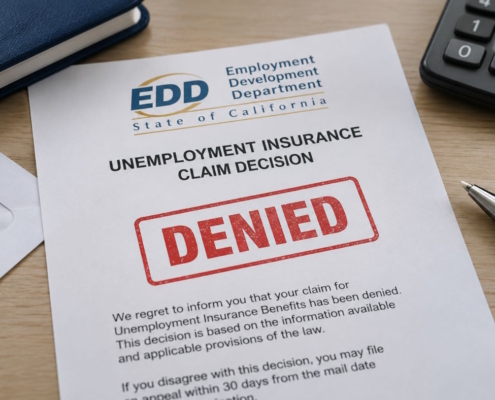 https://california-business-lawyer-corporate-lawyer.com/wp-content/uploads/2026/08/Reasons-For-Unemployment-Denial.jpg
788
1194
shawna
http://california-business-lawyer-corporate-lawyer.com/wp-content/uploads/2022/05/Nakase-Wade-logo-transparent-200x54px.png
shawna2026-08-31 11:27:002026-08-31 11:27:01Reasons for Unemployment Denial in California
https://california-business-lawyer-corporate-lawyer.com/wp-content/uploads/2026/08/Reasons-For-Unemployment-Denial.jpg
788
1194
shawna
http://california-business-lawyer-corporate-lawyer.com/wp-content/uploads/2022/05/Nakase-Wade-logo-transparent-200x54px.png
shawna2026-08-31 11:27:002026-08-31 11:27:01Reasons for Unemployment Denial in California https://california-business-lawyer-corporate-lawyer.com/wp-content/uploads/2026/08/What-Is-Unpaid-Time-Off-and-How-To-Create-A-Company-Policy-For-It.jpg
801
1199
Nakase
http://california-business-lawyer-corporate-lawyer.com/wp-content/uploads/2022/05/Nakase-Wade-logo-transparent-200x54px.png
Nakase2026-08-13 03:31:402026-08-13 03:31:41What Is Unpaid Time Off and How To Create A Company Policy For It
https://california-business-lawyer-corporate-lawyer.com/wp-content/uploads/2026/08/What-Is-Unpaid-Time-Off-and-How-To-Create-A-Company-Policy-For-It.jpg
801
1199
Nakase
http://california-business-lawyer-corporate-lawyer.com/wp-content/uploads/2022/05/Nakase-Wade-logo-transparent-200x54px.png
Nakase2026-08-13 03:31:402026-08-13 03:31:41What Is Unpaid Time Off and How To Create A Company Policy For It https://california-business-lawyer-corporate-lawyer.com/wp-content/uploads/2026/08/What-Are-Pretax-Deductions-Types-and-Benefits.jpg
793
1419
shawna
http://california-business-lawyer-corporate-lawyer.com/wp-content/uploads/2022/05/Nakase-Wade-logo-transparent-200x54px.png
shawna2026-08-11 03:40:242026-08-11 03:40:25What Are Pretax Deductions? Types and Benefits
https://california-business-lawyer-corporate-lawyer.com/wp-content/uploads/2026/08/What-Are-Pretax-Deductions-Types-and-Benefits.jpg
793
1419
shawna
http://california-business-lawyer-corporate-lawyer.com/wp-content/uploads/2022/05/Nakase-Wade-logo-transparent-200x54px.png
shawna2026-08-11 03:40:242026-08-11 03:40:25What Are Pretax Deductions? Types and Benefits https://california-business-lawyer-corporate-lawyer.com/wp-content/uploads/2026/07/What-Does-HR-Do.jpg
775
1059
shawna
http://california-business-lawyer-corporate-lawyer.com/wp-content/uploads/2022/05/Nakase-Wade-logo-transparent-200x54px.png
shawna2026-07-31 13:27:412026-07-31 13:27:43What Does HR Do? Key Functions and Roles
https://california-business-lawyer-corporate-lawyer.com/wp-content/uploads/2026/07/What-Does-HR-Do.jpg
775
1059
shawna
http://california-business-lawyer-corporate-lawyer.com/wp-content/uploads/2022/05/Nakase-Wade-logo-transparent-200x54px.png
shawna2026-07-31 13:27:412026-07-31 13:27:43What Does HR Do? Key Functions and Roles https://california-business-lawyer-corporate-lawyer.com/wp-content/uploads/2026/07/WARN-Act-CA-Mass-Layoff-Protection-for-Workers.jpg
796
1053
shawna
http://california-business-lawyer-corporate-lawyer.com/wp-content/uploads/2022/05/Nakase-Wade-logo-transparent-200x54px.png
shawna2026-07-31 13:11:342026-07-31 13:11:35WARN Act CA (Mass Layoff Protection for Workers)
https://california-business-lawyer-corporate-lawyer.com/wp-content/uploads/2026/07/WARN-Act-CA-Mass-Layoff-Protection-for-Workers.jpg
796
1053
shawna
http://california-business-lawyer-corporate-lawyer.com/wp-content/uploads/2022/05/Nakase-Wade-logo-transparent-200x54px.png
shawna2026-07-31 13:11:342026-07-31 13:11:35WARN Act CA (Mass Layoff Protection for Workers) https://california-business-lawyer-corporate-lawyer.com/wp-content/uploads/2026/07/Meal-Penalties-in-California.jpg
793
1046
Amit
http://california-business-lawyer-corporate-lawyer.com/wp-content/uploads/2022/05/Nakase-Wade-logo-transparent-200x54px.png
Amit2026-07-31 13:02:522026-07-31 13:03:29California Meal Penalty: What Employers Need to Know
https://california-business-lawyer-corporate-lawyer.com/wp-content/uploads/2026/07/Meal-Penalties-in-California.jpg
793
1046
Amit
http://california-business-lawyer-corporate-lawyer.com/wp-content/uploads/2022/05/Nakase-Wade-logo-transparent-200x54px.png
Amit2026-07-31 13:02:522026-07-31 13:03:29California Meal Penalty: What Employers Need to Know https://california-business-lawyer-corporate-lawyer.com/wp-content/uploads/2026/07/What-Are-the-Different-Types-of-Toxic-Coworkers.jpg
781
1050
Nakase
http://california-business-lawyer-corporate-lawyer.com/wp-content/uploads/2022/05/Nakase-Wade-logo-transparent-200x54px.png
Nakase2026-07-31 12:53:122026-07-31 12:53:51What Are the Different Types of Toxic Coworkers?
https://california-business-lawyer-corporate-lawyer.com/wp-content/uploads/2026/07/What-Are-the-Different-Types-of-Toxic-Coworkers.jpg
781
1050
Nakase
http://california-business-lawyer-corporate-lawyer.com/wp-content/uploads/2022/05/Nakase-Wade-logo-transparent-200x54px.png
Nakase2026-07-31 12:53:122026-07-31 12:53:51What Are the Different Types of Toxic Coworkers? https://california-business-lawyer-corporate-lawyer.com/wp-content/uploads/2026/07/Workplace-Bullying-Law-in-California.jpg
790
1171
Nakase
http://california-business-lawyer-corporate-lawyer.com/wp-content/uploads/2022/05/Nakase-Wade-logo-transparent-200x54px.png
Nakase2026-07-11 06:27:332026-07-11 06:27:34Workplace Bullying Law in California
https://california-business-lawyer-corporate-lawyer.com/wp-content/uploads/2026/07/Workplace-Bullying-Law-in-California.jpg
790
1171
Nakase
http://california-business-lawyer-corporate-lawyer.com/wp-content/uploads/2022/05/Nakase-Wade-logo-transparent-200x54px.png
Nakase2026-07-11 06:27:332026-07-11 06:27:34Workplace Bullying Law in California https://california-business-lawyer-corporate-lawyer.com/wp-content/uploads/2022/02/worried-business-owner.jpg
1167
1782
Amit
http://california-business-lawyer-corporate-lawyer.com/wp-content/uploads/2022/05/Nakase-Wade-logo-transparent-200x54px.png
Amit2026-07-11 06:17:332026-07-11 06:17:34How Much Can You Sue an Employer for Misclassification?
https://california-business-lawyer-corporate-lawyer.com/wp-content/uploads/2022/02/worried-business-owner.jpg
1167
1782
Amit
http://california-business-lawyer-corporate-lawyer.com/wp-content/uploads/2022/05/Nakase-Wade-logo-transparent-200x54px.png
Amit2026-07-11 06:17:332026-07-11 06:17:34How Much Can You Sue an Employer for Misclassification? https://california-business-lawyer-corporate-lawyer.com/wp-content/uploads/2026/07/What-is-the-difference-between-disparate-treatment-and-disparate-impact.jpg
776
1407
Amit
http://california-business-lawyer-corporate-lawyer.com/wp-content/uploads/2022/05/Nakase-Wade-logo-transparent-200x54px.png
Amit2026-07-09 08:28:402026-07-09 08:28:42What is the Difference between Disparate Impact and Disparate Treatment?
https://california-business-lawyer-corporate-lawyer.com/wp-content/uploads/2026/07/What-is-the-difference-between-disparate-treatment-and-disparate-impact.jpg
776
1407
Amit
http://california-business-lawyer-corporate-lawyer.com/wp-content/uploads/2022/05/Nakase-Wade-logo-transparent-200x54px.png
Amit2026-07-09 08:28:402026-07-09 08:28:42What is the Difference between Disparate Impact and Disparate Treatment? https://california-business-lawyer-corporate-lawyer.com/wp-content/uploads/2026/07/Short-Term-Disability-What-Is-It-How-Does-It-Work.jpg
781
1407
Nakase
http://california-business-lawyer-corporate-lawyer.com/wp-content/uploads/2022/05/Nakase-Wade-logo-transparent-200x54px.png
Nakase2026-07-09 08:01:352026-07-09 08:01:36Short Term Disability: What Is It & How Does It Work?
https://california-business-lawyer-corporate-lawyer.com/wp-content/uploads/2026/07/Short-Term-Disability-What-Is-It-How-Does-It-Work.jpg
781
1407
Nakase
http://california-business-lawyer-corporate-lawyer.com/wp-content/uploads/2022/05/Nakase-Wade-logo-transparent-200x54px.png
Nakase2026-07-09 08:01:352026-07-09 08:01:36Short Term Disability: What Is It & How Does It Work? https://california-business-lawyer-corporate-lawyer.com/wp-content/uploads/2026/07/Onboarding-Paperwork-Checklist.jpg
795
1054
Amit
http://california-business-lawyer-corporate-lawyer.com/wp-content/uploads/2022/05/Nakase-Wade-logo-transparent-200x54px.png
Amit2026-07-02 07:47:312026-07-02 07:47:32Onboarding Paperwork Checklist: Key Documents Every Employer Needs for New Hires
https://california-business-lawyer-corporate-lawyer.com/wp-content/uploads/2026/07/Onboarding-Paperwork-Checklist.jpg
795
1054
Amit
http://california-business-lawyer-corporate-lawyer.com/wp-content/uploads/2022/05/Nakase-Wade-logo-transparent-200x54px.png
Amit2026-07-02 07:47:312026-07-02 07:47:32Onboarding Paperwork Checklist: Key Documents Every Employer Needs for New Hires https://california-business-lawyer-corporate-lawyer.com/wp-content/uploads/2026/07/What-Does-FEHA-Stand-For.jpg
778
1180
shawna
http://california-business-lawyer-corporate-lawyer.com/wp-content/uploads/2022/05/Nakase-Wade-logo-transparent-200x54px.png
shawna2026-07-02 07:31:052026-07-02 07:31:06What does FEHA stand for in California?
https://california-business-lawyer-corporate-lawyer.com/wp-content/uploads/2026/07/What-Does-FEHA-Stand-For.jpg
778
1180
shawna
http://california-business-lawyer-corporate-lawyer.com/wp-content/uploads/2022/05/Nakase-Wade-logo-transparent-200x54px.png
shawna2026-07-02 07:31:052026-07-02 07:31:06What does FEHA stand for in California? https://california-business-lawyer-corporate-lawyer.com/wp-content/uploads/2026/07/Understanding-Incentive-Pay-Definition-Types-and-Benefits-Explained.jpg
781
1062
Nakase
http://california-business-lawyer-corporate-lawyer.com/wp-content/uploads/2022/05/Nakase-Wade-logo-transparent-200x54px.png
Nakase2026-07-02 07:06:092026-07-02 07:06:11Understanding Incentive Pay: Definition, Types, and Benefits Explained
https://california-business-lawyer-corporate-lawyer.com/wp-content/uploads/2026/07/Understanding-Incentive-Pay-Definition-Types-and-Benefits-Explained.jpg
781
1062
Nakase
http://california-business-lawyer-corporate-lawyer.com/wp-content/uploads/2022/05/Nakase-Wade-logo-transparent-200x54px.png
Nakase2026-07-02 07:06:092026-07-02 07:06:11Understanding Incentive Pay: Definition, Types, and Benefits Explained https://california-business-lawyer-corporate-lawyer.com/wp-content/uploads/2026/07/What-is-Employment-Status.jpg
794
1416
shawna
http://california-business-lawyer-corporate-lawyer.com/wp-content/uploads/2022/05/Nakase-Wade-logo-transparent-200x54px.png
shawna2026-07-02 06:39:302026-07-02 06:39:31What does Employment Status mean?
https://california-business-lawyer-corporate-lawyer.com/wp-content/uploads/2026/07/What-is-Employment-Status.jpg
794
1416
shawna
http://california-business-lawyer-corporate-lawyer.com/wp-content/uploads/2022/05/Nakase-Wade-logo-transparent-200x54px.png
shawna2026-07-02 06:39:302026-07-02 06:39:31What does Employment Status mean? https://california-business-lawyer-corporate-lawyer.com/wp-content/uploads/2026/07/California-Drug-Testing-Laws.jpg
793
1420
Amit
http://california-business-lawyer-corporate-lawyer.com/wp-content/uploads/2022/05/Nakase-Wade-logo-transparent-200x54px.png
Amit2026-07-02 06:27:192026-07-02 06:27:20California Drug Testing Laws: Employee Rights and Employer Rules
https://california-business-lawyer-corporate-lawyer.com/wp-content/uploads/2026/07/California-Drug-Testing-Laws.jpg
793
1420
Amit
http://california-business-lawyer-corporate-lawyer.com/wp-content/uploads/2022/05/Nakase-Wade-logo-transparent-200x54px.png
Amit2026-07-02 06:27:192026-07-02 06:27:20California Drug Testing Laws: Employee Rights and Employer RulesSee all blogs: Business | Corporate | Employment