What Does Basic Pay Mean? Base Pay Explained
Basic pay is your regular salary or hourly wage before extra compensation. See how base pay is calculated and differs from gross pay.

Basic pay is your regular salary or hourly wage before extra compensation. See how base pay is calculated and differs from gross pay.

By Brad Nakase, Attorney
Email | Call (800) 484-4610
Have a quick question? We answered nearly 2000 FAQs.
As hiring managers and HR specialists continue to battle with today’s manpower scarcity, the capacity to pay people fairly as a component of an efficient talent acquisition plan is at the forefront of their minds. Many HR directors are giving or considering offering employee welfare schemes and other rewards to entice candidates to agree to job offers in order to address these issues. Offering increased base salary as part of an attractive offer is one of the most successful strategies that HR directors reported using.
In light of these considerations, it’s critical for employees to comprehend basic pay as a component of total salary packages when they evaluate job offers from your company or bargain for raises. In this article, Nakase Wade’s California employer lawyer explains the concept of base pay, how it is calculated and how it differs from gross pay.
Base pay, sometimes known as an hourly rate or base wage, is a set sum that a company agrees to give a worker in return for time & services that are agreed upon prior to the employee starting work. The most common way to express base pay is either an annual salary or an hourly rate. Benefits and extra income, including commission, overtime compensation, tips, or bonuses, are not included. In light of this, base pay might only be a portion of a worker’s overall compensation.
What does basic salary signify to prospective employees and job candidates? Basic pay and additional information regarding future compensation, like a possible incentive for a sales position, may be included in a job offer. However, base pay is usually determined by the employer according to a predetermined workweek and a number of other considerations, such as the worker’s experience, job responsibilities, and skills. The easiest way to understand the meaning of base income is to focus on the guaranteed portion of your earnings.
Base pay often serves as the beginning for wage discussions and may rise over time in response to an employee’s performance or various other indications of their value to the business. Employers may also increase pay to attract top personnel during periods when hiring and recruiting are particularly difficult.
The meaning of base income refers to the regular pay an employee receives before bonuses & other additional compensation. Some workers might be paid an hourly wage, while others might get their base pay as a yearly income spread over several pay periods. Salaries generally reflect base pay for workers who satisfy the standards of the Fair Labor Standards Act for exemption from overtime compensation and minimum wage.
The base pay for other workers may be paid on an hourly, shift, or daily basis. According to the FLSA, these are usually nonexempt workers who, among other benefits, are entitled to minimum pay for every hour performed plus overtime for all hours spent over 40.
It’s essential to comprehend each of the worker classifications if you are unfamiliar with the differences between exempt & nonexempt workers. To assist you in accurately classifying employees, adhering to the federal rules, and appropriately compensating employees for time worked, the DOL (Department of Labor) has produced resources. Keep in mind that wage & hour laws at the federal, state, and municipal levels may potentially apply to your company.
It is vital to have a solid grasp of basic pay versus gross pay, particularly when discussing employee remuneration. Base pay, as mentioned earlier, is a worker’s basic hourly rate or wage prior to any additional compensation. However, before deductions are made, gross pay consists of basic pay plus overtime compensation (if relevant), commissions, tips, bonuses, etc. Although gross pay may vary depending on extra incentives, basic pay is often a fixed figure that changes seldom (e.g., yearly performance evaluations, market alterations, etc.).
Net pay, or the sum of money an employee “goes home” with every pay period, should be taken into account when it comes to base pay versus gross compensation. Taxes and additional deductions are subtracted from gross pay.
An employer can determine a suitable basic rate while taking into account the job duties & the hours the worker will put in per week (usually forty hours for a permanent employee), as well as factors like the worker’s professional background level, credentials, and market worth for workers in similar roles.
The United States BLS (Bureau of Labor Statistics) provides statistics on wages across industries, professions, and regions, so you may also wish to look at their data. A simple explanation of the meaning of base income can make salary calculations easier to understand.
According to the worker’s classification, you can apply one of the following computations to determine basic pay:
Pay per payment period × Payments received annually = Annual base pay
Hourly wage × Hours worked each week × Weeks worked per year = Annual base pay
Although base pay is ultimately determined by the employer after taking into account criteria such as statutory salary requirements or minimum wage, new hires & employees may bargain for a greater base pay, citing a number of reasons. Base pay may be determined or negotiated by factors like these, but companies must make sure they offer compensation that complies with applicable wage & hour law standards. The meaning of base income can vary slightly depending on the type of employment & pay structure.
Use a well-planned compensation structure and a consistent compensation formula when recruiting or discussing with an employee. These resources are essential for establishing a just and equal workplace, coupled with base pay considerations. They assist companies in determining the worth of a position both within the organization and in the job market. This formulaic method could encourage fair compensation practices and reduce bias.
Over the span of a person’s career, their base income varies. Because of this, base pay may rise, fall, or remain constant for a considerable amount of time.
Many businesses use a pay range when posting job ads. The highest & lowest amounts a corporation will pay applicants for a certain position are included in the wage range. Companies usually base their wage range decisions on employee qualifications and current market rates.
When businesses first hire employees, they typically provide them basic pay that is close to the minimum wage. However, employers often pay employees more as they advance and learn more about their jobs. Occasionally, the employer will increase the employee’s salary several times until it reaches the upper limit of the maximum amount allowed for the role. Many employees then apply for fresh, higher-level jobs at the company.
Although they are less common than increases, base pay decreases do occasionally happen. For instance, some companies are forced to reduce wages and fire employees during challenging economic times, like a recession. While some employment contracts prohibit salary reductions, certain companies are permitted to do so. Additionally, some non-contractual employees may choose to quit the organization rather than accept a lower basic pay rate.
Basic pay cannot be lowered by employers unless the employee’s contract specifies otherwise. For instance, it is unlawful for a business to withhold compensation from an employee because the manager is dissatisfied with the worker’s productivity.
Nonetheless, employers are able to increase base pay for employees through bonuses, overtime compensation, and supplemental pay.
Related Read: What Is Night Differential Pay? Understanding Its Role, Benefits, and Calculation
1. How Can a Good Base Salary Be Set?
Base salaries must be competitive to draw in and keep top talent.
A. Do market analysis and salary polls: The first step is to find out what the standard is for positions that are comparable to yours. Salary surveys & market research offer important information about what other businesses pay. Such tools assist you in comparing your services to those of competitors. They determine the average salary for particular occupations & recognize high-demand abilities that may fetch premium compensation.
B. Recognize Regional Variations & Industry Standards: Location & industry have a big impact on base pay. You must take these elements into account.
You may determine a base wage that draws people & fosters the expansion of your business. You ought to combine in-depth market research with knowledge of local & sector-specific trends.
2. What Legal Aspects Do I Need to Know?
Both state and federal wage rules, as well as the significance of upholding justice and preventing discrimination, must be taken into account when determining base pay.
A. An Overview of State and Federal Wage Laws
Going through the legal environment surrounding pay might be challenging. Doing so is crucial to guaranteeing compliance & equity, though.
B. The Value of Preserving Equity and Preventing Discrimination
In addition to being morally right, equitable wage practices are essential for adhering to the law:
You may develop a compensation plan that is both equitable and compliant by following both state and federal regulations. In addition to providing legal protection for your company, this fosters an inclusive and upbeat work environment.
3. How Frequently Should Base Pay Be Reviewed and Modified?
Every year, base pay ought to be reviewed and adjusted. Salaries are kept competitive and in line with the organization’s objectives and financial stability thanks to this frequent evaluation.
Reasons for making changes:
By regularly evaluating and modifying base pay, you can maintain your competitive edge and foster a motivated staff. Employees’ overall compensation packages, which may include a sizable portion of base pay, must be competitive but reasonable & fair to attract and retain top talent.
Collaborate with HR professionals to ensure that you are in accordance with relevant wage & hour laws and other regulations, offer salaries that are reasonable for your company and industry, and successfully discover and retain outstanding talent. Paying your employees correctly & on time for each pay period is another benefit of working with a professional payroll service.
Have a quick question? We answered nearly 2000 FAQs.
See all blogs: Business | Corporate | Employment
Most recent blogs:
 https://california-business-lawyer-corporate-lawyer.com/wp-content/uploads/2026/10/Job-Enlargement-Definition-Benefits-and-Modern-day-Examples.jpg
794
1063
Amit
http://california-business-lawyer-corporate-lawyer.com/wp-content/uploads/2022/05/Nakase-Wade-logo-transparent-200x54px.png
Amit2026-10-16 04:15:452026-10-16 04:15:46Job Enlargement: Definition, Benefits, and Modern-day Examples
https://california-business-lawyer-corporate-lawyer.com/wp-content/uploads/2026/10/Job-Enlargement-Definition-Benefits-and-Modern-day-Examples.jpg
794
1063
Amit
http://california-business-lawyer-corporate-lawyer.com/wp-content/uploads/2022/05/Nakase-Wade-logo-transparent-200x54px.png
Amit2026-10-16 04:15:452026-10-16 04:15:46Job Enlargement: Definition, Benefits, and Modern-day Examples https://california-business-lawyer-corporate-lawyer.com/wp-content/uploads/2026/10/How-to-Resign-from-a-Job.jpg
792
1053
Nakase
http://california-business-lawyer-corporate-lawyer.com/wp-content/uploads/2022/05/Nakase-Wade-logo-transparent-200x54px.png
Nakase2026-10-16 04:04:322026-10-16 04:04:33How to Resign from a Job: Giving Notice the Right Way
https://california-business-lawyer-corporate-lawyer.com/wp-content/uploads/2026/10/How-to-Resign-from-a-Job.jpg
792
1053
Nakase
http://california-business-lawyer-corporate-lawyer.com/wp-content/uploads/2022/05/Nakase-Wade-logo-transparent-200x54px.png
Nakase2026-10-16 04:04:322026-10-16 04:04:33How to Resign from a Job: Giving Notice the Right Way https://california-business-lawyer-corporate-lawyer.com/wp-content/uploads/2026/10/How-to-calculate-regular-rate-of-pay.jpg
791
1060
Nakase
http://california-business-lawyer-corporate-lawyer.com/wp-content/uploads/2022/05/Nakase-Wade-logo-transparent-200x54px.png
Nakase2026-10-16 03:09:152026-10-16 03:09:16Regular Rate of Pay in California: Calculations, Bonuses, and Overtime
https://california-business-lawyer-corporate-lawyer.com/wp-content/uploads/2026/10/How-to-calculate-regular-rate-of-pay.jpg
791
1060
Nakase
http://california-business-lawyer-corporate-lawyer.com/wp-content/uploads/2022/05/Nakase-Wade-logo-transparent-200x54px.png
Nakase2026-10-16 03:09:152026-10-16 03:09:16Regular Rate of Pay in California: Calculations, Bonuses, and Overtime https://california-business-lawyer-corporate-lawyer.com/wp-content/uploads/2026/10/What-is-Supplemental-Pay.jpg
790
1057
shawna
http://california-business-lawyer-corporate-lawyer.com/wp-content/uploads/2022/05/Nakase-Wade-logo-transparent-200x54px.png
shawna2026-10-01 13:25:222026-10-01 13:25:31What Is Supplemental Pay? Types, Examples, and Tax Rules
https://california-business-lawyer-corporate-lawyer.com/wp-content/uploads/2026/10/What-is-Supplemental-Pay.jpg
790
1057
shawna
http://california-business-lawyer-corporate-lawyer.com/wp-content/uploads/2022/05/Nakase-Wade-logo-transparent-200x54px.png
shawna2026-10-01 13:25:222026-10-01 13:25:31What Is Supplemental Pay? Types, Examples, and Tax Rules https://california-business-lawyer-corporate-lawyer.com/wp-content/uploads/2026/10/On-call-For-Work-Laws.jpg
800
1060
Nakase
http://california-business-lawyer-corporate-lawyer.com/wp-content/uploads/2022/05/Nakase-Wade-logo-transparent-200x54px.png
Nakase2026-10-01 13:20:052026-10-01 13:20:06On-Call Pay Laws in California: Employee Rights and Employer Obligations
https://california-business-lawyer-corporate-lawyer.com/wp-content/uploads/2026/10/On-call-For-Work-Laws.jpg
800
1060
Nakase
http://california-business-lawyer-corporate-lawyer.com/wp-content/uploads/2022/05/Nakase-Wade-logo-transparent-200x54px.png
Nakase2026-10-01 13:20:052026-10-01 13:20:06On-Call Pay Laws in California: Employee Rights and Employer Obligations https://california-business-lawyer-corporate-lawyer.com/wp-content/uploads/2026/10/What-happens-if-you-get-caught-lying-on-unemployment.jpg
781
1065
shawna
http://california-business-lawyer-corporate-lawyer.com/wp-content/uploads/2022/05/Nakase-Wade-logo-transparent-200x54px.png
shawna2026-10-01 13:15:492026-10-01 13:15:50What Happens If You Get Caught Lying on Unemployment in California?
https://california-business-lawyer-corporate-lawyer.com/wp-content/uploads/2026/10/What-happens-if-you-get-caught-lying-on-unemployment.jpg
781
1065
shawna
http://california-business-lawyer-corporate-lawyer.com/wp-content/uploads/2022/05/Nakase-Wade-logo-transparent-200x54px.png
shawna2026-10-01 13:15:492026-10-01 13:15:50What Happens If You Get Caught Lying on Unemployment in California? https://california-business-lawyer-corporate-lawyer.com/wp-content/uploads/2026/10/How-many-hours-is-considered-part-time-work.jpg
782
1062
Nakase
http://california-business-lawyer-corporate-lawyer.com/wp-content/uploads/2022/05/Nakase-Wade-logo-transparent-200x54px.png
Nakase2026-10-01 13:09:322026-10-01 13:10:07How Many Hours Is a Part Time Job in California?
https://california-business-lawyer-corporate-lawyer.com/wp-content/uploads/2026/10/How-many-hours-is-considered-part-time-work.jpg
782
1062
Nakase
http://california-business-lawyer-corporate-lawyer.com/wp-content/uploads/2022/05/Nakase-Wade-logo-transparent-200x54px.png
Nakase2026-10-01 13:09:322026-10-01 13:10:07How Many Hours Is a Part Time Job in California? https://california-business-lawyer-corporate-lawyer.com/wp-content/uploads/2026/10/What-Does-It-Mean-if-Medical-Expenses-Are-Pre-Tax.jpg
793
1065
Amit
http://california-business-lawyer-corporate-lawyer.com/wp-content/uploads/2022/05/Nakase-Wade-logo-transparent-200x54px.png
Amit2026-10-01 13:06:372026-10-01 13:06:38What Does Medical Pre-Tax Mean?
https://california-business-lawyer-corporate-lawyer.com/wp-content/uploads/2026/10/What-Does-It-Mean-if-Medical-Expenses-Are-Pre-Tax.jpg
793
1065
Amit
http://california-business-lawyer-corporate-lawyer.com/wp-content/uploads/2022/05/Nakase-Wade-logo-transparent-200x54px.png
Amit2026-10-01 13:06:372026-10-01 13:06:38What Does Medical Pre-Tax Mean? https://california-business-lawyer-corporate-lawyer.com/wp-content/uploads/2026/10/Difference-between-Paid-Time-Off-PTO-vs-Accrual-Paid-Sick-Leave.jpg
792
1051
Nakase
http://california-business-lawyer-corporate-lawyer.com/wp-content/uploads/2022/05/Nakase-Wade-logo-transparent-200x54px.png
Nakase2026-10-01 12:41:002026-10-01 12:41:01PTO vs Sick Time in California: Rules, Accrual, and Payouts
https://california-business-lawyer-corporate-lawyer.com/wp-content/uploads/2026/10/Difference-between-Paid-Time-Off-PTO-vs-Accrual-Paid-Sick-Leave.jpg
792
1051
Nakase
http://california-business-lawyer-corporate-lawyer.com/wp-content/uploads/2022/05/Nakase-Wade-logo-transparent-200x54px.png
Nakase2026-10-01 12:41:002026-10-01 12:41:01PTO vs Sick Time in California: Rules, Accrual, and Payouts https://california-business-lawyer-corporate-lawyer.com/wp-content/uploads/2026/10/Job-Enrichment-Definition-Benefits-and-Implementation-strategies.jpg
790
1058
Amit
http://california-business-lawyer-corporate-lawyer.com/wp-content/uploads/2022/05/Nakase-Wade-logo-transparent-200x54px.png
Amit2026-10-01 12:33:462026-10-01 12:33:47Job Enrichment: Definition, Benefits, and Implementation Strategies
https://california-business-lawyer-corporate-lawyer.com/wp-content/uploads/2026/10/Job-Enrichment-Definition-Benefits-and-Implementation-strategies.jpg
790
1058
Amit
http://california-business-lawyer-corporate-lawyer.com/wp-content/uploads/2022/05/Nakase-Wade-logo-transparent-200x54px.png
Amit2026-10-01 12:33:462026-10-01 12:33:47Job Enrichment: Definition, Benefits, and Implementation Strategies https://california-business-lawyer-corporate-lawyer.com/wp-content/uploads/2026/10/Gainsharing-Boosting-Team-Performance-and-Profits.jpg
799
1059
Amit
http://california-business-lawyer-corporate-lawyer.com/wp-content/uploads/2022/05/Nakase-Wade-logo-transparent-200x54px.png
Amit2026-10-01 12:25:062026-10-01 12:25:07Gainsharing: Boosting Team Performance and Profits
https://california-business-lawyer-corporate-lawyer.com/wp-content/uploads/2026/10/Gainsharing-Boosting-Team-Performance-and-Profits.jpg
799
1059
Amit
http://california-business-lawyer-corporate-lawyer.com/wp-content/uploads/2022/05/Nakase-Wade-logo-transparent-200x54px.png
Amit2026-10-01 12:25:062026-10-01 12:25:07Gainsharing: Boosting Team Performance and Profits https://california-business-lawyer-corporate-lawyer.com/wp-content/uploads/2026/10/Functional-Conflict-Driving-Team-Success.jpg
795
1058
Amit
http://california-business-lawyer-corporate-lawyer.com/wp-content/uploads/2022/05/Nakase-Wade-logo-transparent-200x54px.png
Amit2026-10-01 12:16:502026-10-01 12:17:45Functional Conflict: Driving Team Success
https://california-business-lawyer-corporate-lawyer.com/wp-content/uploads/2026/10/Functional-Conflict-Driving-Team-Success.jpg
795
1058
Amit
http://california-business-lawyer-corporate-lawyer.com/wp-content/uploads/2022/05/Nakase-Wade-logo-transparent-200x54px.png
Amit2026-10-01 12:16:502026-10-01 12:17:45Functional Conflict: Driving Team Success https://california-business-lawyer-corporate-lawyer.com/wp-content/uploads/2026/09/Job-Characteristics-Model.jpg
793
1145
Amit
http://california-business-lawyer-corporate-lawyer.com/wp-content/uploads/2022/05/Nakase-Wade-logo-transparent-200x54px.png
Amit2026-09-16 03:13:292026-09-16 03:13:30Job Characteristics Model: Definition, Core Characteristics, and Examples
https://california-business-lawyer-corporate-lawyer.com/wp-content/uploads/2026/09/Job-Characteristics-Model.jpg
793
1145
Amit
http://california-business-lawyer-corporate-lawyer.com/wp-content/uploads/2022/05/Nakase-Wade-logo-transparent-200x54px.png
Amit2026-09-16 03:13:292026-09-16 03:13:30Job Characteristics Model: Definition, Core Characteristics, and Examples https://california-business-lawyer-corporate-lawyer.com/wp-content/uploads/2026/09/Checklist-for-How-to-Fire-an-Employee-in-California.jpg
786
1055
Nakase
http://california-business-lawyer-corporate-lawyer.com/wp-content/uploads/2022/05/Nakase-Wade-logo-transparent-200x54px.png
Nakase2026-09-16 03:00:442026-09-16 03:00:45California Employee Termination Checklist: How to Fire an Employee and Follow Termination Laws
https://california-business-lawyer-corporate-lawyer.com/wp-content/uploads/2026/09/Checklist-for-How-to-Fire-an-Employee-in-California.jpg
786
1055
Nakase
http://california-business-lawyer-corporate-lawyer.com/wp-content/uploads/2022/05/Nakase-Wade-logo-transparent-200x54px.png
Nakase2026-09-16 03:00:442026-09-16 03:00:45California Employee Termination Checklist: How to Fire an Employee and Follow Termination Laws https://california-business-lawyer-corporate-lawyer.com/wp-content/uploads/2026/09/Constructive-Discharge-California.jpg
784
1048
Amit
http://california-business-lawyer-corporate-lawyer.com/wp-content/uploads/2022/05/Nakase-Wade-logo-transparent-200x54px.png
Amit2026-09-16 02:54:482026-09-16 02:54:49Constructive Discharge in California: Examples and Rights
https://california-business-lawyer-corporate-lawyer.com/wp-content/uploads/2026/09/Constructive-Discharge-California.jpg
784
1048
Amit
http://california-business-lawyer-corporate-lawyer.com/wp-content/uploads/2022/05/Nakase-Wade-logo-transparent-200x54px.png
Amit2026-09-16 02:54:482026-09-16 02:54:49Constructive Discharge in California: Examples and Rights https://california-business-lawyer-corporate-lawyer.com/wp-content/uploads/2026/09/What-Does-Basic-Pay-Mean-Base-Pay-Explained.jpg
792
1055
shawna
http://california-business-lawyer-corporate-lawyer.com/wp-content/uploads/2022/05/Nakase-Wade-logo-transparent-200x54px.png
shawna2026-09-16 02:07:402026-09-16 02:08:44What Does Basic Pay Mean? Base Pay Explained
https://california-business-lawyer-corporate-lawyer.com/wp-content/uploads/2026/09/What-Does-Basic-Pay-Mean-Base-Pay-Explained.jpg
792
1055
shawna
http://california-business-lawyer-corporate-lawyer.com/wp-content/uploads/2022/05/Nakase-Wade-logo-transparent-200x54px.png
shawna2026-09-16 02:07:402026-09-16 02:08:44What Does Basic Pay Mean? Base Pay Explained https://california-business-lawyer-corporate-lawyer.com/wp-content/uploads/2026/08/9-Box-Talent-Review-Learn-How-to-Create-A-9-Box-Grid.jpg
796
1187
shawna
http://california-business-lawyer-corporate-lawyer.com/wp-content/uploads/2022/05/Nakase-Wade-logo-transparent-200x54px.png
shawna2026-08-31 11:47:332026-08-31 11:48:429 Box Grid Review: Learn How to Create A 9 Box Grid
https://california-business-lawyer-corporate-lawyer.com/wp-content/uploads/2026/08/9-Box-Talent-Review-Learn-How-to-Create-A-9-Box-Grid.jpg
796
1187
shawna
http://california-business-lawyer-corporate-lawyer.com/wp-content/uploads/2022/05/Nakase-Wade-logo-transparent-200x54px.png
shawna2026-08-31 11:47:332026-08-31 11:48:429 Box Grid Review: Learn How to Create A 9 Box Grid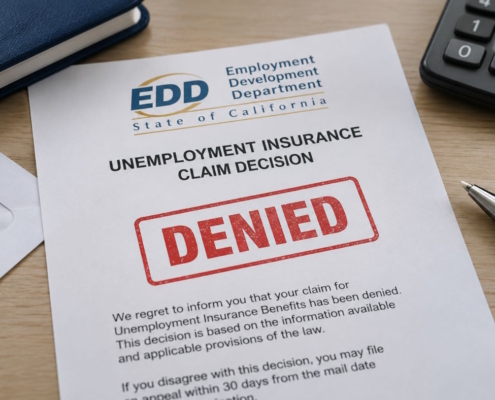 https://california-business-lawyer-corporate-lawyer.com/wp-content/uploads/2026/08/Reasons-For-Unemployment-Denial.jpg
788
1194
shawna
http://california-business-lawyer-corporate-lawyer.com/wp-content/uploads/2022/05/Nakase-Wade-logo-transparent-200x54px.png
shawna2026-08-31 11:27:002026-08-31 11:27:01Reasons for Unemployment Denial in California
https://california-business-lawyer-corporate-lawyer.com/wp-content/uploads/2026/08/Reasons-For-Unemployment-Denial.jpg
788
1194
shawna
http://california-business-lawyer-corporate-lawyer.com/wp-content/uploads/2022/05/Nakase-Wade-logo-transparent-200x54px.png
shawna2026-08-31 11:27:002026-08-31 11:27:01Reasons for Unemployment Denial in California https://california-business-lawyer-corporate-lawyer.com/wp-content/uploads/2026/08/What-Is-Unpaid-Time-Off-and-How-To-Create-A-Company-Policy-For-It.jpg
801
1199
Nakase
http://california-business-lawyer-corporate-lawyer.com/wp-content/uploads/2022/05/Nakase-Wade-logo-transparent-200x54px.png
Nakase2026-08-13 03:31:402026-08-13 03:31:41What Is Unpaid Time Off and How To Create A Company Policy For It
https://california-business-lawyer-corporate-lawyer.com/wp-content/uploads/2026/08/What-Is-Unpaid-Time-Off-and-How-To-Create-A-Company-Policy-For-It.jpg
801
1199
Nakase
http://california-business-lawyer-corporate-lawyer.com/wp-content/uploads/2022/05/Nakase-Wade-logo-transparent-200x54px.png
Nakase2026-08-13 03:31:402026-08-13 03:31:41What Is Unpaid Time Off and How To Create A Company Policy For It https://california-business-lawyer-corporate-lawyer.com/wp-content/uploads/2026/08/What-Are-Pretax-Deductions-Types-and-Benefits.jpg
793
1419
shawna
http://california-business-lawyer-corporate-lawyer.com/wp-content/uploads/2022/05/Nakase-Wade-logo-transparent-200x54px.png
shawna2026-08-11 03:40:242026-08-11 03:40:25What Are Pretax Deductions? Types and Benefits
https://california-business-lawyer-corporate-lawyer.com/wp-content/uploads/2026/08/What-Are-Pretax-Deductions-Types-and-Benefits.jpg
793
1419
shawna
http://california-business-lawyer-corporate-lawyer.com/wp-content/uploads/2022/05/Nakase-Wade-logo-transparent-200x54px.png
shawna2026-08-11 03:40:242026-08-11 03:40:25What Are Pretax Deductions? Types and Benefits https://california-business-lawyer-corporate-lawyer.com/wp-content/uploads/2026/07/What-Does-HR-Do.jpg
775
1059
shawna
http://california-business-lawyer-corporate-lawyer.com/wp-content/uploads/2022/05/Nakase-Wade-logo-transparent-200x54px.png
shawna2026-07-31 13:27:412026-07-31 13:27:43What Does HR Do? Key Functions and Roles
https://california-business-lawyer-corporate-lawyer.com/wp-content/uploads/2026/07/What-Does-HR-Do.jpg
775
1059
shawna
http://california-business-lawyer-corporate-lawyer.com/wp-content/uploads/2022/05/Nakase-Wade-logo-transparent-200x54px.png
shawna2026-07-31 13:27:412026-07-31 13:27:43What Does HR Do? Key Functions and Roles https://california-business-lawyer-corporate-lawyer.com/wp-content/uploads/2026/07/WARN-Act-CA-Mass-Layoff-Protection-for-Workers.jpg
796
1053
shawna
http://california-business-lawyer-corporate-lawyer.com/wp-content/uploads/2022/05/Nakase-Wade-logo-transparent-200x54px.png
shawna2026-07-31 13:11:342026-07-31 13:11:35WARN Act CA (Mass Layoff Protection for Workers)
https://california-business-lawyer-corporate-lawyer.com/wp-content/uploads/2026/07/WARN-Act-CA-Mass-Layoff-Protection-for-Workers.jpg
796
1053
shawna
http://california-business-lawyer-corporate-lawyer.com/wp-content/uploads/2022/05/Nakase-Wade-logo-transparent-200x54px.png
shawna2026-07-31 13:11:342026-07-31 13:11:35WARN Act CA (Mass Layoff Protection for Workers) https://california-business-lawyer-corporate-lawyer.com/wp-content/uploads/2026/07/Meal-Penalties-in-California.jpg
793
1046
Amit
http://california-business-lawyer-corporate-lawyer.com/wp-content/uploads/2022/05/Nakase-Wade-logo-transparent-200x54px.png
Amit2026-07-31 13:02:522026-07-31 13:03:29California Meal Penalty: What Employers Need to Know
https://california-business-lawyer-corporate-lawyer.com/wp-content/uploads/2026/07/Meal-Penalties-in-California.jpg
793
1046
Amit
http://california-business-lawyer-corporate-lawyer.com/wp-content/uploads/2022/05/Nakase-Wade-logo-transparent-200x54px.png
Amit2026-07-31 13:02:522026-07-31 13:03:29California Meal Penalty: What Employers Need to Know https://california-business-lawyer-corporate-lawyer.com/wp-content/uploads/2026/07/What-Are-the-Different-Types-of-Toxic-Coworkers.jpg
781
1050
Nakase
http://california-business-lawyer-corporate-lawyer.com/wp-content/uploads/2022/05/Nakase-Wade-logo-transparent-200x54px.png
Nakase2026-07-31 12:53:122026-07-31 12:53:51What Are the Different Types of Toxic Coworkers?
https://california-business-lawyer-corporate-lawyer.com/wp-content/uploads/2026/07/What-Are-the-Different-Types-of-Toxic-Coworkers.jpg
781
1050
Nakase
http://california-business-lawyer-corporate-lawyer.com/wp-content/uploads/2022/05/Nakase-Wade-logo-transparent-200x54px.png
Nakase2026-07-31 12:53:122026-07-31 12:53:51What Are the Different Types of Toxic Coworkers? https://california-business-lawyer-corporate-lawyer.com/wp-content/uploads/2026/07/Workplace-Bullying-Law-in-California.jpg
790
1171
Nakase
http://california-business-lawyer-corporate-lawyer.com/wp-content/uploads/2022/05/Nakase-Wade-logo-transparent-200x54px.png
Nakase2026-07-11 06:27:332026-07-11 06:27:34Workplace Bullying Law in California
https://california-business-lawyer-corporate-lawyer.com/wp-content/uploads/2026/07/Workplace-Bullying-Law-in-California.jpg
790
1171
Nakase
http://california-business-lawyer-corporate-lawyer.com/wp-content/uploads/2022/05/Nakase-Wade-logo-transparent-200x54px.png
Nakase2026-07-11 06:27:332026-07-11 06:27:34Workplace Bullying Law in California https://california-business-lawyer-corporate-lawyer.com/wp-content/uploads/2022/02/worried-business-owner.jpg
1167
1782
Amit
http://california-business-lawyer-corporate-lawyer.com/wp-content/uploads/2022/05/Nakase-Wade-logo-transparent-200x54px.png
Amit2026-07-11 06:17:332026-07-11 06:17:34How Much Can You Sue an Employer for Misclassification?
https://california-business-lawyer-corporate-lawyer.com/wp-content/uploads/2022/02/worried-business-owner.jpg
1167
1782
Amit
http://california-business-lawyer-corporate-lawyer.com/wp-content/uploads/2022/05/Nakase-Wade-logo-transparent-200x54px.png
Amit2026-07-11 06:17:332026-07-11 06:17:34How Much Can You Sue an Employer for Misclassification? https://california-business-lawyer-corporate-lawyer.com/wp-content/uploads/2026/07/What-is-the-difference-between-disparate-treatment-and-disparate-impact.jpg
776
1407
Amit
http://california-business-lawyer-corporate-lawyer.com/wp-content/uploads/2022/05/Nakase-Wade-logo-transparent-200x54px.png
Amit2026-07-09 08:28:402026-07-09 08:28:42What is the Difference between Disparate Impact and Disparate Treatment?
https://california-business-lawyer-corporate-lawyer.com/wp-content/uploads/2026/07/What-is-the-difference-between-disparate-treatment-and-disparate-impact.jpg
776
1407
Amit
http://california-business-lawyer-corporate-lawyer.com/wp-content/uploads/2022/05/Nakase-Wade-logo-transparent-200x54px.png
Amit2026-07-09 08:28:402026-07-09 08:28:42What is the Difference between Disparate Impact and Disparate Treatment? https://california-business-lawyer-corporate-lawyer.com/wp-content/uploads/2026/07/Short-Term-Disability-What-Is-It-How-Does-It-Work.jpg
781
1407
Nakase
http://california-business-lawyer-corporate-lawyer.com/wp-content/uploads/2022/05/Nakase-Wade-logo-transparent-200x54px.png
Nakase2026-07-09 08:01:352026-07-09 08:01:36Short Term Disability: What Is It & How Does It Work?
https://california-business-lawyer-corporate-lawyer.com/wp-content/uploads/2026/07/Short-Term-Disability-What-Is-It-How-Does-It-Work.jpg
781
1407
Nakase
http://california-business-lawyer-corporate-lawyer.com/wp-content/uploads/2022/05/Nakase-Wade-logo-transparent-200x54px.png
Nakase2026-07-09 08:01:352026-07-09 08:01:36Short Term Disability: What Is It & How Does It Work? https://california-business-lawyer-corporate-lawyer.com/wp-content/uploads/2026/07/Onboarding-Paperwork-Checklist.jpg
795
1054
Amit
http://california-business-lawyer-corporate-lawyer.com/wp-content/uploads/2022/05/Nakase-Wade-logo-transparent-200x54px.png
Amit2026-07-02 07:47:312026-07-02 07:47:32Onboarding Paperwork Checklist: Key Documents Every Employer Needs for New Hires
https://california-business-lawyer-corporate-lawyer.com/wp-content/uploads/2026/07/Onboarding-Paperwork-Checklist.jpg
795
1054
Amit
http://california-business-lawyer-corporate-lawyer.com/wp-content/uploads/2022/05/Nakase-Wade-logo-transparent-200x54px.png
Amit2026-07-02 07:47:312026-07-02 07:47:32Onboarding Paperwork Checklist: Key Documents Every Employer Needs for New Hires https://california-business-lawyer-corporate-lawyer.com/wp-content/uploads/2026/07/What-Does-FEHA-Stand-For.jpg
778
1180
shawna
http://california-business-lawyer-corporate-lawyer.com/wp-content/uploads/2022/05/Nakase-Wade-logo-transparent-200x54px.png
shawna2026-07-02 07:31:052026-07-02 07:31:06What does FEHA stand for in California?
https://california-business-lawyer-corporate-lawyer.com/wp-content/uploads/2026/07/What-Does-FEHA-Stand-For.jpg
778
1180
shawna
http://california-business-lawyer-corporate-lawyer.com/wp-content/uploads/2022/05/Nakase-Wade-logo-transparent-200x54px.png
shawna2026-07-02 07:31:052026-07-02 07:31:06What does FEHA stand for in California?See all blogs: Business | Corporate | Employment