What Happens If You Get Caught Lying on Unemployment in California?
Lying on unemployment in California can lead to repayment, fines, and jail time. This guide covers EDD fraud investigations, penalties, and possible legal defenses.

Lying on unemployment in California can lead to repayment, fines, and jail time. This guide covers EDD fraud investigations, penalties, and possible legal defenses.

By Douglas Wade, Attorney
Email | Call (800) 484-4610
Have a quick question? We answered nearly 2000 FAQs.
Applying for or receiving unemployment compensation to which individuals do not have a legal right by providing false or insufficient information is known as unemployment insurance (UI) fraud, or EDD fraud. Employer-driven EDD fraud happens when a business provides misleading information to deny benefits to former or current employees.
The California UIC (Unemployment Insurance Code) prohibits making false statements, failing to reveal material facts, or using any kind of false identity to change any payment or benefit, whether it is for its manufacturer or for someone else.
A monetary penalty of as much as $20,000 and three years of imprisonment in the state-run jail are the consequences of breaking Section 2101. In actuality, though, the statute allows for charges under either federal or state law. In certain situations, both.
To commit UI fraud:
The answer to whether you can go to jail for collecting unemployment while working depends on the circumstances & applicable state laws.
A. Unemployment insurance scheme’s history
The EDD (Employment Development Department) in California oversees the unified state-federal program known as unemployment insurance, or UI. The program was created in 1935 and is financed by employer tax payments.
When someone loses their job, unemployment insurance helps them make ends meet for a minimum of one year during the time they actively look for other work. Payments to recipients vary from forty dollars to 450 dollars per week.
To be eligible for unemployment compensation, you have to:
Although statutory unemployment insurance was designed for those who ended up losing their jobs due to no misconduct, some legal rules may permit someone who resigned or was terminated (as rather than let go) to still be eligible for payments. Questions about these kinds of situations should be sent to the Employment Development Department (EDD), as admissibility under these conditions is solely decided by EDD on an individual basis.
The issue is that individuals often misuse their insurance coverage, as remains the situation with many government-run insurance programs. Additionally, in terms of unemployment insurance, it can raise expenses for businesses and cause a pile-up in the entire system, which lengthens wait periods for people who are legally eligible for UI benefits.
B. Insurance fraud
Anytime someone commits “willful deception, knowing hiding, or fraudulent identity to gain, raise, diminish, or prevent any kind of benefit according to the federal or state programs,” they are committing UI fraud, a growing kind of insurance deceit in California. Both the Penal Code and the Unemployment Insurance Code (California) explicitly regulate this kind of fraud.
When someone is detected defrauding the system, they are punished and usually given harsh punishments, such as time in a state jail.
C. The process of investigation
The entity in charge of investigating claims of alleged UI fraud is the EDD. The majority of EDD’s tips come from:
EDD’s fraud probe division takes control and investigates any suspicions of fraud. They send their findings to the local investigating body if they find sufficient evidence to support the filing of criminal accusations. They simply save their records in the event that they find themselves able to gather additional proof against the accused if they think the claim is going to be denied.
California’s laws against UI fraud can be broken in a number of ways. Examples of a few of the more prevalent kinds of these infractions are included below.
1. Examples of infractions by employees/claimants
2. Examples of infractions by employers
There are other people who can commit UI fraud besides employees. This kind of fraud is committed by employers when they:
Must Read: Reasons for Unemployment Denial in California
Fortunately, an accomplished criminal fraud attorney in California can offer you a number of different legal defenses. The circumstances around your claim can influence whether you can go to jail for collecting unemployment while working. Here are a few samples of particularly prevalent ones.
1. You didn’t intend to commit fraud
The prosecutor must first establish that you possessed fraudulent intent before they are able to demonstrate that you violated certain California fraud laws. The court will order members of the jury panel to declare you innocent of the accusations if they are unable to demonstrate that you operated with the particular purpose to defraud.
You ought not to be held accountable for breaking unemployment benefits law if you think you filed a valid claim, unintentionally gave false information (such as writing a wrong SSN), or were unaware that you had to submit freelance earnings to the Employment Development Department (EDD).
2. Not enough proof
Unemployment insurance filings (as well as fraud) are increasing in California. In response, the state has increased the number of fraud-related cases it investigates and prosecutes. Investigators frequently make snap decisions or leap to judgments when investigating a case because they are under an obligation to make indictments and file prosecutions.
As a consequence, the number of cases where there is merely insufficient proof that the accused person committed fraud is rising.
For instance, you are accused of intentionally failing to make payments for employee deductions to the Employment Development Department (EDD) and keeping them from workers. You might not have realized that the person in charge of the “accounts” or payroll matters has actually concealed the deductions (the entirety of which might constitute a breach of California’s embezzlement legislation).
You ought to be exonerated of the accusation based on inadequate proof when the prosecution lacks sufficient proof to link you to the act.
3. False allegations or misidentification
The best defense is to prove your innocence. Innocent persons become suspects of this offense for a variety of reasons. It’s possible that somebody in your workplace submitted a false claim and attempted to avoid responsibility by blaming you when confronted. Since you weren’t the one who filed the fake claim, it’s possible that you were the target of identity fraud & mistaken identity.
A competent defense lawyer and defense detective can frequently find the necessary details to clear a person who has been wrongfully accused.
4. Plea bargaining
Your California defense lawyer will try to secure a plea deal when everything else fails & the proof presented is simply too clear to ignore. Plea agreements are helpful when you are unable to avoid criminal responsibility and when proof provided by the state is poor, there are some mitigating circumstances, or there are many cases pending in the legal system.
You can enter nolo contendere or a plea of guilty to a lesser charge or a lesser sentence. This is in return for the more significant UI fraud accusation being dropped. This works under a plea deal that enables law enforcement to secure a verdict against you.
The particular crime against which you have been found guilty determines the precise sentence you will get. Since many fraud violations are what people refer to as wobblers, penalties vary greatly. The prosecution may decide to charge “wobblers” as a felony or a misdemeanor, contingent on:
Examples of common misdemeanor & felony penalties related to unemployment benefits cheating are shown below. These refer to the sanctions that are applied in relation to:
It is important to emphasize that because there are numerous rules pertaining to UI fraud, your sentence could vary based on your specific conviction. Several factors can affect whether you can go to jail for collecting unemployment while working.
1. Code 2101 for Unemployment Insurance
You might spend up to a year in the county jail & pay a maximum penalty of $20k if found guilty of this misdemeanor. If found guilty of this crime (felony), you could spend sixteen months, 2 years, or 3 years in the state jail and pay a penalty of up to $20k.
2. PC 550: Fraud involving general insurance
A. Misdemeanor penalties
The fraud’s severity will determine your punishment. This is when the prosecution finds you guilty of this crime. Unemployment fraud could be a misdemeanor. The claimed scam has to be 950 dollars or less. A conviction carries as much as $1000 fine. A maximum of 6 months in the county jail is also possible.
The offense will become a wobbler when the sum surpasses $950. You might face a maximum of a one-year prison sentence & a possible $10k fine if the total sum surpasses $950 and you are found guilty solely of a misdemeanor.
B. Felony penalties
When the purported fraud’s amount surpasses 950 dollars, or surpasses 950 dollars in any given successive 12-month period, prosecutors have the option to indict you for this offense. A judgment entails:
3. Extra penalties
Furthermore, being convicted of fraudulently obtaining unemployment benefits exposes one to:
4. Repayment in exchange for prosecution
A knowledgeable criminal defense lawyer might make arrangements to reimburse the EDD in return for the Department deciding not to press charges, contingent upon the specifics of your conduct.
You won’t be charged with a crime if the agency approves and you repay on time. However, the EDD has the right to start criminal actions at any given time if you fail to make any of the payments.
Prosecutors may pursue the following counts along with or instead of UI deception since UI fraud sometimes involves accusations of theft, perjury, and forgery.
1. Grand theft statute (California)
Grand theft legislation, 487 PC, forbids stealing property worth more than $950 from another individual or organization. Money, personal belongings, labor, and land are all considered forms of “property.”
This implies that prosecutors may hit you with a corresponding wobbler, which carries a potential $10k fine & a maximum 3-year jail sentence, if you falsely get unemployment benefits totaling in excess of $950.
2. Forgery law in California
Forgery law, PC 470, forbids deliberately making, modifying, or utilizing written material with the intent to engage in fraud. This implies that if you file for unemployment compensation.
If found guilty of forged documents, you will once more be subject to a wobbler. It carries a potential $10,000 penalty & 3 years in prison.
3. Perjury laws in California
Perjury is considered a felony in California. It carries a maximum penalty of $10k. There could also be a four-year sentence in prison. You are breaking this rule when you willfully provide false details while under oath to tell the truth.
This implies that prosecutors may even prosecute you for fraud if, for instance, you file an application for unemployment insurance under a fictitious name, using a phony Social Security number (SSN), or purposefully fabricating any other data.
4. Conspiracy law in California
Conspiracy to engage in any criminal act is forbidden by California’s 182 PC. If you plot with somebody else, that is, decide to carry out an illegal act to:
If found guilty of UI fraud, you will be punished with the same consequences as for a felony.
5. California’s PC 472 prohibits the possession, forging, and counterfeiting of public seals
A wobbler under California’s PC 472 prohibits forging, imitating, or having a fake public seal. It carries up to a $10,000 fine & 3 years in a county jail.
Prosecutors might also indict you for this offense if you fake an official seal, such as on a fake UI application.
Have a quick question? We answered nearly 2000 FAQs.
See all blogs: Business | Corporate | Employment
Most recent blogs:
 https://california-business-lawyer-corporate-lawyer.com/wp-content/uploads/2026/10/What-is-Supplemental-Pay.jpg
790
1057
shawna
http://california-business-lawyer-corporate-lawyer.com/wp-content/uploads/2022/05/Nakase-Wade-logo-transparent-200x54px.png
shawna2026-10-01 13:25:222026-10-01 13:25:31What Is Supplemental Pay? Types, Examples, and Tax Rules
https://california-business-lawyer-corporate-lawyer.com/wp-content/uploads/2026/10/What-is-Supplemental-Pay.jpg
790
1057
shawna
http://california-business-lawyer-corporate-lawyer.com/wp-content/uploads/2022/05/Nakase-Wade-logo-transparent-200x54px.png
shawna2026-10-01 13:25:222026-10-01 13:25:31What Is Supplemental Pay? Types, Examples, and Tax Rules https://california-business-lawyer-corporate-lawyer.com/wp-content/uploads/2026/10/On-call-For-Work-Laws.jpg
800
1060
Nakase
http://california-business-lawyer-corporate-lawyer.com/wp-content/uploads/2022/05/Nakase-Wade-logo-transparent-200x54px.png
Nakase2026-10-01 13:20:052026-10-01 13:20:06On-Call Pay Laws in California: Employee Rights and Employer Obligations
https://california-business-lawyer-corporate-lawyer.com/wp-content/uploads/2026/10/On-call-For-Work-Laws.jpg
800
1060
Nakase
http://california-business-lawyer-corporate-lawyer.com/wp-content/uploads/2022/05/Nakase-Wade-logo-transparent-200x54px.png
Nakase2026-10-01 13:20:052026-10-01 13:20:06On-Call Pay Laws in California: Employee Rights and Employer Obligations https://california-business-lawyer-corporate-lawyer.com/wp-content/uploads/2026/10/What-happens-if-you-get-caught-lying-on-unemployment.jpg
781
1065
shawna
http://california-business-lawyer-corporate-lawyer.com/wp-content/uploads/2022/05/Nakase-Wade-logo-transparent-200x54px.png
shawna2026-10-01 13:15:492026-10-01 13:15:50What Happens If You Get Caught Lying on Unemployment in California?
https://california-business-lawyer-corporate-lawyer.com/wp-content/uploads/2026/10/What-happens-if-you-get-caught-lying-on-unemployment.jpg
781
1065
shawna
http://california-business-lawyer-corporate-lawyer.com/wp-content/uploads/2022/05/Nakase-Wade-logo-transparent-200x54px.png
shawna2026-10-01 13:15:492026-10-01 13:15:50What Happens If You Get Caught Lying on Unemployment in California? https://california-business-lawyer-corporate-lawyer.com/wp-content/uploads/2026/10/How-many-hours-is-considered-part-time-work.jpg
782
1062
Nakase
http://california-business-lawyer-corporate-lawyer.com/wp-content/uploads/2022/05/Nakase-Wade-logo-transparent-200x54px.png
Nakase2026-10-01 13:09:322026-10-01 13:10:07How Many Hours Is a Part Time Job in California?
https://california-business-lawyer-corporate-lawyer.com/wp-content/uploads/2026/10/How-many-hours-is-considered-part-time-work.jpg
782
1062
Nakase
http://california-business-lawyer-corporate-lawyer.com/wp-content/uploads/2022/05/Nakase-Wade-logo-transparent-200x54px.png
Nakase2026-10-01 13:09:322026-10-01 13:10:07How Many Hours Is a Part Time Job in California? https://california-business-lawyer-corporate-lawyer.com/wp-content/uploads/2026/10/What-Does-It-Mean-if-Medical-Expenses-Are-Pre-Tax.jpg
793
1065
Amit
http://california-business-lawyer-corporate-lawyer.com/wp-content/uploads/2022/05/Nakase-Wade-logo-transparent-200x54px.png
Amit2026-10-01 13:06:372026-10-01 13:06:38What Does Medical Pre-Tax Mean?
https://california-business-lawyer-corporate-lawyer.com/wp-content/uploads/2026/10/What-Does-It-Mean-if-Medical-Expenses-Are-Pre-Tax.jpg
793
1065
Amit
http://california-business-lawyer-corporate-lawyer.com/wp-content/uploads/2022/05/Nakase-Wade-logo-transparent-200x54px.png
Amit2026-10-01 13:06:372026-10-01 13:06:38What Does Medical Pre-Tax Mean? https://california-business-lawyer-corporate-lawyer.com/wp-content/uploads/2026/10/Difference-between-Paid-Time-Off-PTO-vs-Accrual-Paid-Sick-Leave.jpg
792
1051
Nakase
http://california-business-lawyer-corporate-lawyer.com/wp-content/uploads/2022/05/Nakase-Wade-logo-transparent-200x54px.png
Nakase2026-10-01 12:41:002026-10-01 12:41:01PTO vs Sick Time in California: Rules, Accrual, and Payouts
https://california-business-lawyer-corporate-lawyer.com/wp-content/uploads/2026/10/Difference-between-Paid-Time-Off-PTO-vs-Accrual-Paid-Sick-Leave.jpg
792
1051
Nakase
http://california-business-lawyer-corporate-lawyer.com/wp-content/uploads/2022/05/Nakase-Wade-logo-transparent-200x54px.png
Nakase2026-10-01 12:41:002026-10-01 12:41:01PTO vs Sick Time in California: Rules, Accrual, and Payouts https://california-business-lawyer-corporate-lawyer.com/wp-content/uploads/2026/10/Job-Enrichment-Definition-Benefits-and-Implementation-strategies.jpg
790
1058
Amit
http://california-business-lawyer-corporate-lawyer.com/wp-content/uploads/2022/05/Nakase-Wade-logo-transparent-200x54px.png
Amit2026-10-01 12:33:462026-10-01 12:33:47Job Enrichment: Definition, Benefits, and Implementation Strategies
https://california-business-lawyer-corporate-lawyer.com/wp-content/uploads/2026/10/Job-Enrichment-Definition-Benefits-and-Implementation-strategies.jpg
790
1058
Amit
http://california-business-lawyer-corporate-lawyer.com/wp-content/uploads/2022/05/Nakase-Wade-logo-transparent-200x54px.png
Amit2026-10-01 12:33:462026-10-01 12:33:47Job Enrichment: Definition, Benefits, and Implementation Strategies https://california-business-lawyer-corporate-lawyer.com/wp-content/uploads/2026/10/Gainsharing-Boosting-Team-Performance-and-Profits.jpg
799
1059
Amit
http://california-business-lawyer-corporate-lawyer.com/wp-content/uploads/2022/05/Nakase-Wade-logo-transparent-200x54px.png
Amit2026-10-01 12:25:062026-10-01 12:25:07Gainsharing: Boosting Team Performance and Profits
https://california-business-lawyer-corporate-lawyer.com/wp-content/uploads/2026/10/Gainsharing-Boosting-Team-Performance-and-Profits.jpg
799
1059
Amit
http://california-business-lawyer-corporate-lawyer.com/wp-content/uploads/2022/05/Nakase-Wade-logo-transparent-200x54px.png
Amit2026-10-01 12:25:062026-10-01 12:25:07Gainsharing: Boosting Team Performance and Profits https://california-business-lawyer-corporate-lawyer.com/wp-content/uploads/2026/10/Functional-Conflict-Driving-Team-Success.jpg
795
1058
Amit
http://california-business-lawyer-corporate-lawyer.com/wp-content/uploads/2022/05/Nakase-Wade-logo-transparent-200x54px.png
Amit2026-10-01 12:16:502026-10-01 12:17:45Functional Conflict: Driving Team Success
https://california-business-lawyer-corporate-lawyer.com/wp-content/uploads/2026/10/Functional-Conflict-Driving-Team-Success.jpg
795
1058
Amit
http://california-business-lawyer-corporate-lawyer.com/wp-content/uploads/2022/05/Nakase-Wade-logo-transparent-200x54px.png
Amit2026-10-01 12:16:502026-10-01 12:17:45Functional Conflict: Driving Team Success https://california-business-lawyer-corporate-lawyer.com/wp-content/uploads/2026/09/Job-Characteristics-Model.jpg
793
1145
Amit
http://california-business-lawyer-corporate-lawyer.com/wp-content/uploads/2022/05/Nakase-Wade-logo-transparent-200x54px.png
Amit2026-09-16 03:13:292026-09-16 03:13:30Job Characteristics Model: Definition, Core Characteristics, and Examples
https://california-business-lawyer-corporate-lawyer.com/wp-content/uploads/2026/09/Job-Characteristics-Model.jpg
793
1145
Amit
http://california-business-lawyer-corporate-lawyer.com/wp-content/uploads/2022/05/Nakase-Wade-logo-transparent-200x54px.png
Amit2026-09-16 03:13:292026-09-16 03:13:30Job Characteristics Model: Definition, Core Characteristics, and Examples https://california-business-lawyer-corporate-lawyer.com/wp-content/uploads/2026/09/Checklist-for-How-to-Fire-an-Employee-in-California.jpg
786
1055
Nakase
http://california-business-lawyer-corporate-lawyer.com/wp-content/uploads/2022/05/Nakase-Wade-logo-transparent-200x54px.png
Nakase2026-09-16 03:00:442026-09-16 03:00:45California Employee Termination Checklist: How to Fire an Employee and Follow Termination Laws
https://california-business-lawyer-corporate-lawyer.com/wp-content/uploads/2026/09/Checklist-for-How-to-Fire-an-Employee-in-California.jpg
786
1055
Nakase
http://california-business-lawyer-corporate-lawyer.com/wp-content/uploads/2022/05/Nakase-Wade-logo-transparent-200x54px.png
Nakase2026-09-16 03:00:442026-09-16 03:00:45California Employee Termination Checklist: How to Fire an Employee and Follow Termination Laws https://california-business-lawyer-corporate-lawyer.com/wp-content/uploads/2026/09/Constructive-Discharge-California.jpg
784
1048
Amit
http://california-business-lawyer-corporate-lawyer.com/wp-content/uploads/2022/05/Nakase-Wade-logo-transparent-200x54px.png
Amit2026-09-16 02:54:482026-09-16 02:54:49Constructive Discharge in California: Examples and Rights
https://california-business-lawyer-corporate-lawyer.com/wp-content/uploads/2026/09/Constructive-Discharge-California.jpg
784
1048
Amit
http://california-business-lawyer-corporate-lawyer.com/wp-content/uploads/2022/05/Nakase-Wade-logo-transparent-200x54px.png
Amit2026-09-16 02:54:482026-09-16 02:54:49Constructive Discharge in California: Examples and Rights https://california-business-lawyer-corporate-lawyer.com/wp-content/uploads/2026/09/What-Does-Basic-Pay-Mean-Base-Pay-Explained.jpg
792
1055
shawna
http://california-business-lawyer-corporate-lawyer.com/wp-content/uploads/2022/05/Nakase-Wade-logo-transparent-200x54px.png
shawna2026-09-16 02:07:402026-09-16 02:08:44What Does Basic Pay Mean? Base Pay Explained
https://california-business-lawyer-corporate-lawyer.com/wp-content/uploads/2026/09/What-Does-Basic-Pay-Mean-Base-Pay-Explained.jpg
792
1055
shawna
http://california-business-lawyer-corporate-lawyer.com/wp-content/uploads/2022/05/Nakase-Wade-logo-transparent-200x54px.png
shawna2026-09-16 02:07:402026-09-16 02:08:44What Does Basic Pay Mean? Base Pay Explained https://california-business-lawyer-corporate-lawyer.com/wp-content/uploads/2026/08/9-Box-Talent-Review-Learn-How-to-Create-A-9-Box-Grid.jpg
796
1187
shawna
http://california-business-lawyer-corporate-lawyer.com/wp-content/uploads/2022/05/Nakase-Wade-logo-transparent-200x54px.png
shawna2026-08-31 11:47:332026-08-31 11:48:429 Box Grid Review: Learn How to Create A 9 Box Grid
https://california-business-lawyer-corporate-lawyer.com/wp-content/uploads/2026/08/9-Box-Talent-Review-Learn-How-to-Create-A-9-Box-Grid.jpg
796
1187
shawna
http://california-business-lawyer-corporate-lawyer.com/wp-content/uploads/2022/05/Nakase-Wade-logo-transparent-200x54px.png
shawna2026-08-31 11:47:332026-08-31 11:48:429 Box Grid Review: Learn How to Create A 9 Box Grid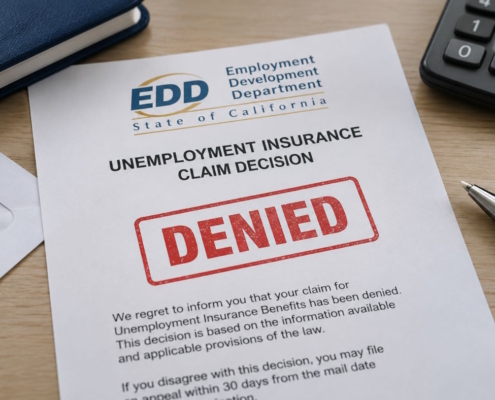 https://california-business-lawyer-corporate-lawyer.com/wp-content/uploads/2026/08/Reasons-For-Unemployment-Denial.jpg
788
1194
shawna
http://california-business-lawyer-corporate-lawyer.com/wp-content/uploads/2022/05/Nakase-Wade-logo-transparent-200x54px.png
shawna2026-08-31 11:27:002026-08-31 11:27:01Reasons for Unemployment Denial in California
https://california-business-lawyer-corporate-lawyer.com/wp-content/uploads/2026/08/Reasons-For-Unemployment-Denial.jpg
788
1194
shawna
http://california-business-lawyer-corporate-lawyer.com/wp-content/uploads/2022/05/Nakase-Wade-logo-transparent-200x54px.png
shawna2026-08-31 11:27:002026-08-31 11:27:01Reasons for Unemployment Denial in California https://california-business-lawyer-corporate-lawyer.com/wp-content/uploads/2026/08/What-Is-Unpaid-Time-Off-and-How-To-Create-A-Company-Policy-For-It.jpg
801
1199
Nakase
http://california-business-lawyer-corporate-lawyer.com/wp-content/uploads/2022/05/Nakase-Wade-logo-transparent-200x54px.png
Nakase2026-08-13 03:31:402026-08-13 03:31:41What Is Unpaid Time Off and How To Create A Company Policy For It
https://california-business-lawyer-corporate-lawyer.com/wp-content/uploads/2026/08/What-Is-Unpaid-Time-Off-and-How-To-Create-A-Company-Policy-For-It.jpg
801
1199
Nakase
http://california-business-lawyer-corporate-lawyer.com/wp-content/uploads/2022/05/Nakase-Wade-logo-transparent-200x54px.png
Nakase2026-08-13 03:31:402026-08-13 03:31:41What Is Unpaid Time Off and How To Create A Company Policy For It https://california-business-lawyer-corporate-lawyer.com/wp-content/uploads/2026/08/What-Are-Pretax-Deductions-Types-and-Benefits.jpg
793
1419
shawna
http://california-business-lawyer-corporate-lawyer.com/wp-content/uploads/2022/05/Nakase-Wade-logo-transparent-200x54px.png
shawna2026-08-11 03:40:242026-08-11 03:40:25What Are Pretax Deductions? Types and Benefits
https://california-business-lawyer-corporate-lawyer.com/wp-content/uploads/2026/08/What-Are-Pretax-Deductions-Types-and-Benefits.jpg
793
1419
shawna
http://california-business-lawyer-corporate-lawyer.com/wp-content/uploads/2022/05/Nakase-Wade-logo-transparent-200x54px.png
shawna2026-08-11 03:40:242026-08-11 03:40:25What Are Pretax Deductions? Types and Benefits https://california-business-lawyer-corporate-lawyer.com/wp-content/uploads/2026/07/What-Does-HR-Do.jpg
775
1059
shawna
http://california-business-lawyer-corporate-lawyer.com/wp-content/uploads/2022/05/Nakase-Wade-logo-transparent-200x54px.png
shawna2026-07-31 13:27:412026-07-31 13:27:43What Does HR Do? Key Functions and Roles
https://california-business-lawyer-corporate-lawyer.com/wp-content/uploads/2026/07/What-Does-HR-Do.jpg
775
1059
shawna
http://california-business-lawyer-corporate-lawyer.com/wp-content/uploads/2022/05/Nakase-Wade-logo-transparent-200x54px.png
shawna2026-07-31 13:27:412026-07-31 13:27:43What Does HR Do? Key Functions and Roles https://california-business-lawyer-corporate-lawyer.com/wp-content/uploads/2026/07/WARN-Act-CA-Mass-Layoff-Protection-for-Workers.jpg
796
1053
shawna
http://california-business-lawyer-corporate-lawyer.com/wp-content/uploads/2022/05/Nakase-Wade-logo-transparent-200x54px.png
shawna2026-07-31 13:11:342026-07-31 13:11:35WARN Act CA (Mass Layoff Protection for Workers)
https://california-business-lawyer-corporate-lawyer.com/wp-content/uploads/2026/07/WARN-Act-CA-Mass-Layoff-Protection-for-Workers.jpg
796
1053
shawna
http://california-business-lawyer-corporate-lawyer.com/wp-content/uploads/2022/05/Nakase-Wade-logo-transparent-200x54px.png
shawna2026-07-31 13:11:342026-07-31 13:11:35WARN Act CA (Mass Layoff Protection for Workers) https://california-business-lawyer-corporate-lawyer.com/wp-content/uploads/2026/07/Meal-Penalties-in-California.jpg
793
1046
Amit
http://california-business-lawyer-corporate-lawyer.com/wp-content/uploads/2022/05/Nakase-Wade-logo-transparent-200x54px.png
Amit2026-07-31 13:02:522026-07-31 13:03:29California Meal Penalty: What Employers Need to Know
https://california-business-lawyer-corporate-lawyer.com/wp-content/uploads/2026/07/Meal-Penalties-in-California.jpg
793
1046
Amit
http://california-business-lawyer-corporate-lawyer.com/wp-content/uploads/2022/05/Nakase-Wade-logo-transparent-200x54px.png
Amit2026-07-31 13:02:522026-07-31 13:03:29California Meal Penalty: What Employers Need to Know https://california-business-lawyer-corporate-lawyer.com/wp-content/uploads/2026/07/What-Are-the-Different-Types-of-Toxic-Coworkers.jpg
781
1050
Nakase
http://california-business-lawyer-corporate-lawyer.com/wp-content/uploads/2022/05/Nakase-Wade-logo-transparent-200x54px.png
Nakase2026-07-31 12:53:122026-07-31 12:53:51What Are the Different Types of Toxic Coworkers?
https://california-business-lawyer-corporate-lawyer.com/wp-content/uploads/2026/07/What-Are-the-Different-Types-of-Toxic-Coworkers.jpg
781
1050
Nakase
http://california-business-lawyer-corporate-lawyer.com/wp-content/uploads/2022/05/Nakase-Wade-logo-transparent-200x54px.png
Nakase2026-07-31 12:53:122026-07-31 12:53:51What Are the Different Types of Toxic Coworkers? https://california-business-lawyer-corporate-lawyer.com/wp-content/uploads/2026/07/Workplace-Bullying-Law-in-California.jpg
790
1171
Nakase
http://california-business-lawyer-corporate-lawyer.com/wp-content/uploads/2022/05/Nakase-Wade-logo-transparent-200x54px.png
Nakase2026-07-11 06:27:332026-07-11 06:27:34Workplace Bullying Law in California
https://california-business-lawyer-corporate-lawyer.com/wp-content/uploads/2026/07/Workplace-Bullying-Law-in-California.jpg
790
1171
Nakase
http://california-business-lawyer-corporate-lawyer.com/wp-content/uploads/2022/05/Nakase-Wade-logo-transparent-200x54px.png
Nakase2026-07-11 06:27:332026-07-11 06:27:34Workplace Bullying Law in California https://california-business-lawyer-corporate-lawyer.com/wp-content/uploads/2022/02/worried-business-owner.jpg
1167
1782
Amit
http://california-business-lawyer-corporate-lawyer.com/wp-content/uploads/2022/05/Nakase-Wade-logo-transparent-200x54px.png
Amit2026-07-11 06:17:332026-07-11 06:17:34How Much Can You Sue an Employer for Misclassification?
https://california-business-lawyer-corporate-lawyer.com/wp-content/uploads/2022/02/worried-business-owner.jpg
1167
1782
Amit
http://california-business-lawyer-corporate-lawyer.com/wp-content/uploads/2022/05/Nakase-Wade-logo-transparent-200x54px.png
Amit2026-07-11 06:17:332026-07-11 06:17:34How Much Can You Sue an Employer for Misclassification? https://california-business-lawyer-corporate-lawyer.com/wp-content/uploads/2026/07/What-is-the-difference-between-disparate-treatment-and-disparate-impact.jpg
776
1407
Amit
http://california-business-lawyer-corporate-lawyer.com/wp-content/uploads/2022/05/Nakase-Wade-logo-transparent-200x54px.png
Amit2026-07-09 08:28:402026-07-09 08:28:42What is the Difference between Disparate Impact and Disparate Treatment?
https://california-business-lawyer-corporate-lawyer.com/wp-content/uploads/2026/07/What-is-the-difference-between-disparate-treatment-and-disparate-impact.jpg
776
1407
Amit
http://california-business-lawyer-corporate-lawyer.com/wp-content/uploads/2022/05/Nakase-Wade-logo-transparent-200x54px.png
Amit2026-07-09 08:28:402026-07-09 08:28:42What is the Difference between Disparate Impact and Disparate Treatment? https://california-business-lawyer-corporate-lawyer.com/wp-content/uploads/2026/07/Short-Term-Disability-What-Is-It-How-Does-It-Work.jpg
781
1407
Nakase
http://california-business-lawyer-corporate-lawyer.com/wp-content/uploads/2022/05/Nakase-Wade-logo-transparent-200x54px.png
Nakase2026-07-09 08:01:352026-07-09 08:01:36Short Term Disability: What Is It & How Does It Work?
https://california-business-lawyer-corporate-lawyer.com/wp-content/uploads/2026/07/Short-Term-Disability-What-Is-It-How-Does-It-Work.jpg
781
1407
Nakase
http://california-business-lawyer-corporate-lawyer.com/wp-content/uploads/2022/05/Nakase-Wade-logo-transparent-200x54px.png
Nakase2026-07-09 08:01:352026-07-09 08:01:36Short Term Disability: What Is It & How Does It Work? https://california-business-lawyer-corporate-lawyer.com/wp-content/uploads/2026/07/Onboarding-Paperwork-Checklist.jpg
795
1054
Amit
http://california-business-lawyer-corporate-lawyer.com/wp-content/uploads/2022/05/Nakase-Wade-logo-transparent-200x54px.png
Amit2026-07-02 07:47:312026-07-02 07:47:32Onboarding Paperwork Checklist: Key Documents Every Employer Needs for New Hires
https://california-business-lawyer-corporate-lawyer.com/wp-content/uploads/2026/07/Onboarding-Paperwork-Checklist.jpg
795
1054
Amit
http://california-business-lawyer-corporate-lawyer.com/wp-content/uploads/2022/05/Nakase-Wade-logo-transparent-200x54px.png
Amit2026-07-02 07:47:312026-07-02 07:47:32Onboarding Paperwork Checklist: Key Documents Every Employer Needs for New Hires https://california-business-lawyer-corporate-lawyer.com/wp-content/uploads/2026/07/What-Does-FEHA-Stand-For.jpg
778
1180
shawna
http://california-business-lawyer-corporate-lawyer.com/wp-content/uploads/2022/05/Nakase-Wade-logo-transparent-200x54px.png
shawna2026-07-02 07:31:052026-07-02 07:31:06What does FEHA stand for in California?
https://california-business-lawyer-corporate-lawyer.com/wp-content/uploads/2026/07/What-Does-FEHA-Stand-For.jpg
778
1180
shawna
http://california-business-lawyer-corporate-lawyer.com/wp-content/uploads/2022/05/Nakase-Wade-logo-transparent-200x54px.png
shawna2026-07-02 07:31:052026-07-02 07:31:06What does FEHA stand for in California? https://california-business-lawyer-corporate-lawyer.com/wp-content/uploads/2026/07/Understanding-Incentive-Pay-Definition-Types-and-Benefits-Explained.jpg
781
1062
Nakase
http://california-business-lawyer-corporate-lawyer.com/wp-content/uploads/2022/05/Nakase-Wade-logo-transparent-200x54px.png
Nakase2026-07-02 07:06:092026-07-02 07:06:11Understanding Incentive Pay: Definition, Types, and Benefits Explained
https://california-business-lawyer-corporate-lawyer.com/wp-content/uploads/2026/07/Understanding-Incentive-Pay-Definition-Types-and-Benefits-Explained.jpg
781
1062
Nakase
http://california-business-lawyer-corporate-lawyer.com/wp-content/uploads/2022/05/Nakase-Wade-logo-transparent-200x54px.png
Nakase2026-07-02 07:06:092026-07-02 07:06:11Understanding Incentive Pay: Definition, Types, and Benefits Explained https://california-business-lawyer-corporate-lawyer.com/wp-content/uploads/2026/07/What-is-Employment-Status.jpg
794
1416
shawna
http://california-business-lawyer-corporate-lawyer.com/wp-content/uploads/2022/05/Nakase-Wade-logo-transparent-200x54px.png
shawna2026-07-02 06:39:302026-07-02 06:39:31What does Employment Status mean?
https://california-business-lawyer-corporate-lawyer.com/wp-content/uploads/2026/07/What-is-Employment-Status.jpg
794
1416
shawna
http://california-business-lawyer-corporate-lawyer.com/wp-content/uploads/2022/05/Nakase-Wade-logo-transparent-200x54px.png
shawna2026-07-02 06:39:302026-07-02 06:39:31What does Employment Status mean? https://california-business-lawyer-corporate-lawyer.com/wp-content/uploads/2026/07/California-Drug-Testing-Laws.jpg
793
1420
Amit
http://california-business-lawyer-corporate-lawyer.com/wp-content/uploads/2022/05/Nakase-Wade-logo-transparent-200x54px.png
Amit2026-07-02 06:27:192026-07-02 06:27:20California Drug Testing Laws: Employee Rights and Employer Rules
https://california-business-lawyer-corporate-lawyer.com/wp-content/uploads/2026/07/California-Drug-Testing-Laws.jpg
793
1420
Amit
http://california-business-lawyer-corporate-lawyer.com/wp-content/uploads/2022/05/Nakase-Wade-logo-transparent-200x54px.png
Amit2026-07-02 06:27:192026-07-02 06:27:20California Drug Testing Laws: Employee Rights and Employer RulesSee all blogs: Business | Corporate | Employment