
Age Discrimination Lawsuits in California
California prohibits employers from discriminating against employees who are 40 years old or older. It is illegal for an employer to deny any employee benefits or privileges, such as hiring, recruiting, on-the-job-training, promotion, or compensation based on age. It is also illegal for an employer to deny employment, demote, or fire an employee based on their age.

Author: Brad Nakase, Attorney
Email | Call (800) 484-4610
In California, it is unlawful to discriminate against any employee age 40 or older based on age for hiring, training, layoff, benefits, compensation, or firing. Age discrimination occurs when an employee who is 40 years old or above is treated less favorably than younger workers. Under the California Fair Employment Housing Act, an employee have the right to sue an employer for age discrimination and recover damages including emotional distress, lost wages, and lost benefits. If you’re an employer who is accused of age discrimination, please contact a employer defense attorney in Los Angeles with experience defending against age discrimination.
In this article, our age discrimination attorney will discuss California age discrimination as follows:

What Are the Laws Regarding Age Discrimination?
Both federal and state laws protect California’s employees from age-based discrimination. In addition, the laws in the state protect both job applicants and employees. However, employers must be 40 years old or older for the laws to protect them.
Based on California’s age discrimination laws, it is unlawful for companies to act in specific ways. California employers cannot:
- Demote employees based on their age
- Refuse to employ workers based on their age
- Fire workers based on their age
- Refuse employees’ benefits based on their age
- Refuse employees’ privileges based on their age, including promotions, payment, hiring, or training
What is the Older Workers Benefit Protection Act?
The Older Workers Benefit Protection Act is a federal law that protects employees 40 years or older from discrimination by requiring employers to offer older workers benefits equal to the benefits it offers to younger workers. The OWBPA states that workers 40 and older receive 21 days to review any documents, such as a severance package, that relinquish their rights. The OWBPA also provides workers one week to refuse severance agreements.
When employers present documents to their workers that waive their rights, they should contact an experienced employment attorney to find a path forward.
How Do Age Discrimination Claims Work?
Age discrimination involves treating applicants or employees less favorably because their age is 40 or higher. To prove an age discrimination claim, the employee must show that:
- they were at least 40 years old
- their suffered an adverse employment action;
- they were qualified for the job and met the defendant’s expectations; and
- their position remained open or was filled by a worker who was younger.
When employees believe they have experienced age discrimination, they first must file a grievance with the Equal Employment Opportunity Commission (EEOC) or the Department of Fair Employment and Housing (DFEH).
Under California age discrimination law, the burden of proof is as follows: workers must show that their age was an important “motivating factor” in their companies’ employment decisions.
Federally, the worker must show that the company decided based solely on the worker’s age.
Therefore, the burden of proof is easier for employees in California.
What Are Examples of Age Discrimination?
Routine cases of age discrimination include:
- Employers encouraging older workers to retire
- Companies firing older workers based on their performance
- Employers or co-workers making fun of older employees
- Companies hiring younger workers instead of older employees
Is Age Discrimination Illegal?
California workers are protected by both state and federal laws from age discrimination. The Age Discrimination in Employment Act (ADEA) prohibits age discrimination against workers 40 years old or older. California has laws inform how employers and employees deal with age discrimination: the Fair Employment and Housing Act (FEHA) and the Federal Age Discrimination in Employment Act (ADEA).
The FEHA pertains to businesses with five or more workers. However, the ADEA differs in its application because it applies to larger companies with twenty or more workers.
In California, courts often reference the ADEA when making judgments regarding age discrimination. However, the FEHA and the ADEA are very similar in terms of their purpose and parameters. Therefore, when the court is unsure which laws to abide by, the court errs on the side of the act that provides employees with maximum protection.
The ADEA and the FEHA establish that it is unlawful for companies to discriminate against workers above 40 based solely on their advanced age.
What Are the Signs of Age Discrimination?
It is difficult to identify all the types of age discrimination that occur since age discrimination can come in many forms and include varying factors and conditions. Generally, age discrimination is treating an individual differently based only on their age. When employers treat older employees differently, their actions often relate to the following:
- The terms of the worker’s position
- The work conditions at the office or company
- The job the worker is assigned
- How much is the worker paid
Many individuals only think of age discrimination occurring when employers hire or terminate workers, but this concept is wrong. Age discrimination can happen in any state of an individual’s career, and employers and their employees must remember that it is perpetually illegal in California.
When Can Age Discrimination Occur in California?
Employers discriminate based on age in various situations, from the hiring process to the firing process. For example, employers discriminate against workers based on their age during the:
- Creation of training opportunities
- Creation of internship or apprentice programs
- Determination of workers’ benefits
- The process of setting age limits for training opportunities
- The recruitment process
Employers also discriminate based on age:
- When coming up with promotions
- When considering raises or bonuses
- During the termination process
- During the hiring process
The FEHA emphasizes that age discrimination is illegal when it occurs to “any person.” However, the FEHA only applies to employment, and therefore not all groups of people benefit from the act’s provisions. If an individual is not employed, for example, but feels they have suffered age discrimination in another capacity, their employers may not be protecting their rights.
How Do Employers Prove Discrimination at Work in California?
To sue for age discrimination, you must have evidence that you suffered an adverse employment action, such as failure to hire, termination, or demotion, because you’re 40 years old or older. You can prove age discrimination with direct evidence, which is evidence that, if true, directly proves a fact.
Here are some common examples of age discrimination:
- A worker over the age of 40 is made fun of by his manager based on their age
- An employee over 40 is fired for no clear reason
- A worker over 40 is not hired because the employer wants a “youthful team.”
- An employee over 40 is penalized or demoted for no clear reason
- A worker over 40 realizes their career is stagnating, while employers promote younger workers who demonstrate the same levels of performance and ability
- An employee over 40 suddenly receives poor evaluations for the job they have always done
- A worker over 40 is passed over for a promotion they are qualified for, only based on their age
- Employees over 40 are socially shunned by other employees and managers
There are many different ways that age discrimination can occur in the workplace in California. Age discrimination can be subtle, but it can also be clear. Contact a qualified lawyer immediately if your career is disrupted by age discrimination.
Some companies enforce policies that may not appear discriminatory, but they promote subtle age discrimination. When a workplace policy negatively impacts employees based on their ages, they must report it immediately.
Can Workers Sue for Age Discrimination in California?
Under California Fair Employment Housing Act, an individual who is at least 40 years old have the right to sue an employer for age discrimination and recover money damages including lost benefits, emotional distress, and lost wages. The California Fair Employment and Housing Act also prohibits employer from discrimination against job seekers who are 40 years of age or older. The Age Discrimination in Employment Act of 1967 (ADEA) protects certain applicants and employees 40 years of age and older from discrimination
When individuals suffer discrimination at work, they must know they have rights. When employers discriminate based on age, it can impact their workers’ mental health and confidence, as well as their work rates and productivity.
Discrimination based on age is against the law in California and across the US, and when it occurs, it is essential to act fast. Business owners must know that when they discriminate against workers solely for being old, they are not only damaging the workers’ careers, the owners are ruining their lives and limiting their ambitions.
Contacting an experienced attorney is the first step to fighting age discrimination, but together with their lawyer, the individual must be able to prove that age discrimination occurred.
Cases of age discrimination can be complex since not every type of discrimination falls under the definition of prohibited behavior.
In cases of age discrimination, workers must prove that:
- The company acted because of the age of the worker or applicant. Therefore, the business decided to do X because of the employee’s age.
- The worker is 40 years old or older.
- The business, employer, or entity is covered by the FEHA and/or ADEA and not exempt from these state and federal acts
- The actions of the employer negatively impacted the worker
Who is Protected Under the Age Discrimination Act?
Under California and federal laws, the protected class for age is people aged 40 and older. The categories of protected individuals are as follows:
- Volunteers
- Immediate family members
- Job applicants
- Temporary hires
- Independent contractors
- Intents (unpaid)
- Traditional workers, including people the company has agreed to hire and individuals who are already working for the busines
What Are the Defenses of Age Discrimination?
A common employer defense to an age discrimination lawsuit is to show that the employer has a legitimate, nondiscriminatory reason not related to age for firing an employee. When employees accuse employers of age discrimination, they often reference “Bonafide Occupational Qualification” (BFOQ). This practice permits companies to make decisions against employees over 40 years old if the following conditions exist:
- The policy or employment position does not include a group of people based on age
- All excluded people cannot complete their job duties safely or productively
- The age-based requirement is vital to the business because allowing an older individual to work in this capacity could threaten the business
With these requirements met, the business can legally exclude individuals from completing a specific task, regardless of whether the person is a volunteer, intern, temporary worker, contractor, or normal employee.
For example, a construction company could advertise a position involving heavy lifting, working at dangerous heights, running power tools and driving construction vehicles.
The company may be able to make individuals of certain ages unable to apply for this position based on researched and justified safety issues. This distinction is based on the fact that an elderly person, for example, could hurt themselves when lifting heavy equipment, and also endanger others.
Learn more about: Business | Corporate | Employment
 https://california-business-lawyer-corporate-lawyer.com/wp-content/uploads/2026/09/Job-Characteristics-Model.jpg
793
1145
Amit
http://california-business-lawyer-corporate-lawyer.com/wp-content/uploads/2022/05/Nakase-Wade-logo-transparent-200x54px.png
Amit2026-09-16 03:13:292026-09-16 03:13:30Job Characteristics Model: Definition, Core Characteristics, and Examples
https://california-business-lawyer-corporate-lawyer.com/wp-content/uploads/2026/09/Job-Characteristics-Model.jpg
793
1145
Amit
http://california-business-lawyer-corporate-lawyer.com/wp-content/uploads/2022/05/Nakase-Wade-logo-transparent-200x54px.png
Amit2026-09-16 03:13:292026-09-16 03:13:30Job Characteristics Model: Definition, Core Characteristics, and Examples https://california-business-lawyer-corporate-lawyer.com/wp-content/uploads/2026/09/Checklist-for-How-to-Fire-an-Employee-in-California.jpg
786
1055
Nakase
http://california-business-lawyer-corporate-lawyer.com/wp-content/uploads/2022/05/Nakase-Wade-logo-transparent-200x54px.png
Nakase2026-09-16 03:00:442026-09-16 03:00:45California Employee Termination Checklist: How to Fire an Employee and Follow Termination Laws
https://california-business-lawyer-corporate-lawyer.com/wp-content/uploads/2026/09/Checklist-for-How-to-Fire-an-Employee-in-California.jpg
786
1055
Nakase
http://california-business-lawyer-corporate-lawyer.com/wp-content/uploads/2022/05/Nakase-Wade-logo-transparent-200x54px.png
Nakase2026-09-16 03:00:442026-09-16 03:00:45California Employee Termination Checklist: How to Fire an Employee and Follow Termination Laws https://california-business-lawyer-corporate-lawyer.com/wp-content/uploads/2026/09/Constructive-Discharge-California.jpg
784
1048
Amit
http://california-business-lawyer-corporate-lawyer.com/wp-content/uploads/2022/05/Nakase-Wade-logo-transparent-200x54px.png
Amit2026-09-16 02:54:482026-09-16 02:54:49Constructive Discharge in California: Examples and Rights
https://california-business-lawyer-corporate-lawyer.com/wp-content/uploads/2026/09/Constructive-Discharge-California.jpg
784
1048
Amit
http://california-business-lawyer-corporate-lawyer.com/wp-content/uploads/2022/05/Nakase-Wade-logo-transparent-200x54px.png
Amit2026-09-16 02:54:482026-09-16 02:54:49Constructive Discharge in California: Examples and Rights https://california-business-lawyer-corporate-lawyer.com/wp-content/uploads/2026/09/What-Does-Basic-Pay-Mean-Base-Pay-Explained.jpg
792
1055
shawna
http://california-business-lawyer-corporate-lawyer.com/wp-content/uploads/2022/05/Nakase-Wade-logo-transparent-200x54px.png
shawna2026-09-16 02:07:402026-09-16 02:08:44What Does Basic Pay Mean? Base Pay Explained
https://california-business-lawyer-corporate-lawyer.com/wp-content/uploads/2026/09/What-Does-Basic-Pay-Mean-Base-Pay-Explained.jpg
792
1055
shawna
http://california-business-lawyer-corporate-lawyer.com/wp-content/uploads/2022/05/Nakase-Wade-logo-transparent-200x54px.png
shawna2026-09-16 02:07:402026-09-16 02:08:44What Does Basic Pay Mean? Base Pay Explained https://california-business-lawyer-corporate-lawyer.com/wp-content/uploads/2026/08/9-Box-Talent-Review-Learn-How-to-Create-A-9-Box-Grid.jpg
796
1187
shawna
http://california-business-lawyer-corporate-lawyer.com/wp-content/uploads/2022/05/Nakase-Wade-logo-transparent-200x54px.png
shawna2026-08-31 11:47:332026-08-31 11:48:429 Box Grid Review: Learn How to Create A 9 Box Grid
https://california-business-lawyer-corporate-lawyer.com/wp-content/uploads/2026/08/9-Box-Talent-Review-Learn-How-to-Create-A-9-Box-Grid.jpg
796
1187
shawna
http://california-business-lawyer-corporate-lawyer.com/wp-content/uploads/2022/05/Nakase-Wade-logo-transparent-200x54px.png
shawna2026-08-31 11:47:332026-08-31 11:48:429 Box Grid Review: Learn How to Create A 9 Box Grid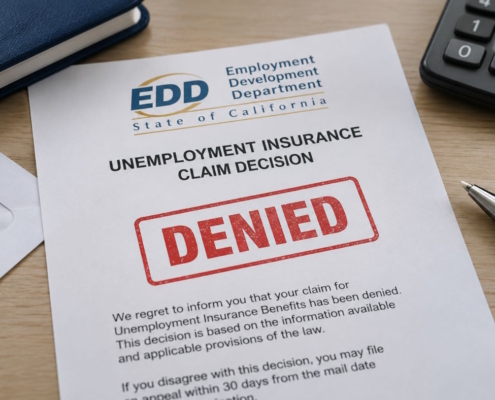 https://california-business-lawyer-corporate-lawyer.com/wp-content/uploads/2026/08/Reasons-For-Unemployment-Denial.jpg
788
1194
shawna
http://california-business-lawyer-corporate-lawyer.com/wp-content/uploads/2022/05/Nakase-Wade-logo-transparent-200x54px.png
shawna2026-08-31 11:27:002026-08-31 11:27:01Reasons for Unemployment Denial in California
https://california-business-lawyer-corporate-lawyer.com/wp-content/uploads/2026/08/Reasons-For-Unemployment-Denial.jpg
788
1194
shawna
http://california-business-lawyer-corporate-lawyer.com/wp-content/uploads/2022/05/Nakase-Wade-logo-transparent-200x54px.png
shawna2026-08-31 11:27:002026-08-31 11:27:01Reasons for Unemployment Denial in California https://california-business-lawyer-corporate-lawyer.com/wp-content/uploads/2026/08/What-Is-Unpaid-Time-Off-and-How-To-Create-A-Company-Policy-For-It.jpg
801
1199
Nakase
http://california-business-lawyer-corporate-lawyer.com/wp-content/uploads/2022/05/Nakase-Wade-logo-transparent-200x54px.png
Nakase2026-08-13 03:31:402026-08-13 03:31:41What Is Unpaid Time Off and How To Create A Company Policy For It
https://california-business-lawyer-corporate-lawyer.com/wp-content/uploads/2026/08/What-Is-Unpaid-Time-Off-and-How-To-Create-A-Company-Policy-For-It.jpg
801
1199
Nakase
http://california-business-lawyer-corporate-lawyer.com/wp-content/uploads/2022/05/Nakase-Wade-logo-transparent-200x54px.png
Nakase2026-08-13 03:31:402026-08-13 03:31:41What Is Unpaid Time Off and How To Create A Company Policy For It https://california-business-lawyer-corporate-lawyer.com/wp-content/uploads/2026/08/What-Are-Pretax-Deductions-Types-and-Benefits.jpg
793
1419
shawna
http://california-business-lawyer-corporate-lawyer.com/wp-content/uploads/2022/05/Nakase-Wade-logo-transparent-200x54px.png
shawna2026-08-11 03:40:242026-08-11 03:40:25What Are Pretax Deductions? Types and Benefits
https://california-business-lawyer-corporate-lawyer.com/wp-content/uploads/2026/08/What-Are-Pretax-Deductions-Types-and-Benefits.jpg
793
1419
shawna
http://california-business-lawyer-corporate-lawyer.com/wp-content/uploads/2022/05/Nakase-Wade-logo-transparent-200x54px.png
shawna2026-08-11 03:40:242026-08-11 03:40:25What Are Pretax Deductions? Types and Benefits https://california-business-lawyer-corporate-lawyer.com/wp-content/uploads/2026/07/What-Does-HR-Do.jpg
775
1059
shawna
http://california-business-lawyer-corporate-lawyer.com/wp-content/uploads/2022/05/Nakase-Wade-logo-transparent-200x54px.png
shawna2026-07-31 13:27:412026-07-31 13:27:43What Does HR Do? Key Functions and Roles
https://california-business-lawyer-corporate-lawyer.com/wp-content/uploads/2026/07/What-Does-HR-Do.jpg
775
1059
shawna
http://california-business-lawyer-corporate-lawyer.com/wp-content/uploads/2022/05/Nakase-Wade-logo-transparent-200x54px.png
shawna2026-07-31 13:27:412026-07-31 13:27:43What Does HR Do? Key Functions and Roles https://california-business-lawyer-corporate-lawyer.com/wp-content/uploads/2026/07/WARN-Act-CA-Mass-Layoff-Protection-for-Workers.jpg
796
1053
shawna
http://california-business-lawyer-corporate-lawyer.com/wp-content/uploads/2022/05/Nakase-Wade-logo-transparent-200x54px.png
shawna2026-07-31 13:11:342026-07-31 13:11:35WARN Act CA (Mass Layoff Protection for Workers)
https://california-business-lawyer-corporate-lawyer.com/wp-content/uploads/2026/07/WARN-Act-CA-Mass-Layoff-Protection-for-Workers.jpg
796
1053
shawna
http://california-business-lawyer-corporate-lawyer.com/wp-content/uploads/2022/05/Nakase-Wade-logo-transparent-200x54px.png
shawna2026-07-31 13:11:342026-07-31 13:11:35WARN Act CA (Mass Layoff Protection for Workers) https://california-business-lawyer-corporate-lawyer.com/wp-content/uploads/2026/07/Meal-Penalties-in-California.jpg
793
1046
Amit
http://california-business-lawyer-corporate-lawyer.com/wp-content/uploads/2022/05/Nakase-Wade-logo-transparent-200x54px.png
Amit2026-07-31 13:02:522026-07-31 13:03:29California Meal Penalty: What Employers Need to Know
https://california-business-lawyer-corporate-lawyer.com/wp-content/uploads/2026/07/Meal-Penalties-in-California.jpg
793
1046
Amit
http://california-business-lawyer-corporate-lawyer.com/wp-content/uploads/2022/05/Nakase-Wade-logo-transparent-200x54px.png
Amit2026-07-31 13:02:522026-07-31 13:03:29California Meal Penalty: What Employers Need to Know https://california-business-lawyer-corporate-lawyer.com/wp-content/uploads/2026/07/What-Are-the-Different-Types-of-Toxic-Coworkers.jpg
781
1050
Nakase
http://california-business-lawyer-corporate-lawyer.com/wp-content/uploads/2022/05/Nakase-Wade-logo-transparent-200x54px.png
Nakase2026-07-31 12:53:122026-07-31 12:53:51What Are the Different Types of Toxic Coworkers?
https://california-business-lawyer-corporate-lawyer.com/wp-content/uploads/2026/07/What-Are-the-Different-Types-of-Toxic-Coworkers.jpg
781
1050
Nakase
http://california-business-lawyer-corporate-lawyer.com/wp-content/uploads/2022/05/Nakase-Wade-logo-transparent-200x54px.png
Nakase2026-07-31 12:53:122026-07-31 12:53:51What Are the Different Types of Toxic Coworkers? https://california-business-lawyer-corporate-lawyer.com/wp-content/uploads/2026/07/Workplace-Bullying-Law-in-California.jpg
790
1171
Nakase
http://california-business-lawyer-corporate-lawyer.com/wp-content/uploads/2022/05/Nakase-Wade-logo-transparent-200x54px.png
Nakase2026-07-11 06:27:332026-07-11 06:27:34Workplace Bullying Law in California
https://california-business-lawyer-corporate-lawyer.com/wp-content/uploads/2026/07/Workplace-Bullying-Law-in-California.jpg
790
1171
Nakase
http://california-business-lawyer-corporate-lawyer.com/wp-content/uploads/2022/05/Nakase-Wade-logo-transparent-200x54px.png
Nakase2026-07-11 06:27:332026-07-11 06:27:34Workplace Bullying Law in California https://california-business-lawyer-corporate-lawyer.com/wp-content/uploads/2022/02/worried-business-owner.jpg
1167
1782
Amit
http://california-business-lawyer-corporate-lawyer.com/wp-content/uploads/2022/05/Nakase-Wade-logo-transparent-200x54px.png
Amit2026-07-11 06:17:332026-07-11 06:17:34How Much Can You Sue an Employer for Misclassification?
https://california-business-lawyer-corporate-lawyer.com/wp-content/uploads/2022/02/worried-business-owner.jpg
1167
1782
Amit
http://california-business-lawyer-corporate-lawyer.com/wp-content/uploads/2022/05/Nakase-Wade-logo-transparent-200x54px.png
Amit2026-07-11 06:17:332026-07-11 06:17:34How Much Can You Sue an Employer for Misclassification? https://california-business-lawyer-corporate-lawyer.com/wp-content/uploads/2026/07/What-is-the-difference-between-disparate-treatment-and-disparate-impact.jpg
776
1407
Amit
http://california-business-lawyer-corporate-lawyer.com/wp-content/uploads/2022/05/Nakase-Wade-logo-transparent-200x54px.png
Amit2026-07-09 08:28:402026-07-09 08:28:42What is the Difference between Disparate Impact and Disparate Treatment?
https://california-business-lawyer-corporate-lawyer.com/wp-content/uploads/2026/07/What-is-the-difference-between-disparate-treatment-and-disparate-impact.jpg
776
1407
Amit
http://california-business-lawyer-corporate-lawyer.com/wp-content/uploads/2022/05/Nakase-Wade-logo-transparent-200x54px.png
Amit2026-07-09 08:28:402026-07-09 08:28:42What is the Difference between Disparate Impact and Disparate Treatment? https://california-business-lawyer-corporate-lawyer.com/wp-content/uploads/2026/07/Short-Term-Disability-What-Is-It-How-Does-It-Work.jpg
781
1407
Nakase
http://california-business-lawyer-corporate-lawyer.com/wp-content/uploads/2022/05/Nakase-Wade-logo-transparent-200x54px.png
Nakase2026-07-09 08:01:352026-07-09 08:01:36Short Term Disability: What Is It & How Does It Work?
https://california-business-lawyer-corporate-lawyer.com/wp-content/uploads/2026/07/Short-Term-Disability-What-Is-It-How-Does-It-Work.jpg
781
1407
Nakase
http://california-business-lawyer-corporate-lawyer.com/wp-content/uploads/2022/05/Nakase-Wade-logo-transparent-200x54px.png
Nakase2026-07-09 08:01:352026-07-09 08:01:36Short Term Disability: What Is It & How Does It Work? https://california-business-lawyer-corporate-lawyer.com/wp-content/uploads/2026/07/Onboarding-Paperwork-Checklist.jpg
795
1054
Amit
http://california-business-lawyer-corporate-lawyer.com/wp-content/uploads/2022/05/Nakase-Wade-logo-transparent-200x54px.png
Amit2026-07-02 07:47:312026-07-02 07:47:32Onboarding Paperwork Checklist: Key Documents Every Employer Needs for New Hires
https://california-business-lawyer-corporate-lawyer.com/wp-content/uploads/2026/07/Onboarding-Paperwork-Checklist.jpg
795
1054
Amit
http://california-business-lawyer-corporate-lawyer.com/wp-content/uploads/2022/05/Nakase-Wade-logo-transparent-200x54px.png
Amit2026-07-02 07:47:312026-07-02 07:47:32Onboarding Paperwork Checklist: Key Documents Every Employer Needs for New Hires https://california-business-lawyer-corporate-lawyer.com/wp-content/uploads/2026/07/What-Does-FEHA-Stand-For.jpg
778
1180
shawna
http://california-business-lawyer-corporate-lawyer.com/wp-content/uploads/2022/05/Nakase-Wade-logo-transparent-200x54px.png
shawna2026-07-02 07:31:052026-07-02 07:31:06What does FEHA stand for in California?
https://california-business-lawyer-corporate-lawyer.com/wp-content/uploads/2026/07/What-Does-FEHA-Stand-For.jpg
778
1180
shawna
http://california-business-lawyer-corporate-lawyer.com/wp-content/uploads/2022/05/Nakase-Wade-logo-transparent-200x54px.png
shawna2026-07-02 07:31:052026-07-02 07:31:06What does FEHA stand for in California? https://california-business-lawyer-corporate-lawyer.com/wp-content/uploads/2026/07/Understanding-Incentive-Pay-Definition-Types-and-Benefits-Explained.jpg
781
1062
Nakase
http://california-business-lawyer-corporate-lawyer.com/wp-content/uploads/2022/05/Nakase-Wade-logo-transparent-200x54px.png
Nakase2026-07-02 07:06:092026-07-02 07:06:11Understanding Incentive Pay: Definition, Types, and Benefits Explained
https://california-business-lawyer-corporate-lawyer.com/wp-content/uploads/2026/07/Understanding-Incentive-Pay-Definition-Types-and-Benefits-Explained.jpg
781
1062
Nakase
http://california-business-lawyer-corporate-lawyer.com/wp-content/uploads/2022/05/Nakase-Wade-logo-transparent-200x54px.png
Nakase2026-07-02 07:06:092026-07-02 07:06:11Understanding Incentive Pay: Definition, Types, and Benefits Explained https://california-business-lawyer-corporate-lawyer.com/wp-content/uploads/2026/07/What-is-Employment-Status.jpg
794
1416
shawna
http://california-business-lawyer-corporate-lawyer.com/wp-content/uploads/2022/05/Nakase-Wade-logo-transparent-200x54px.png
shawna2026-07-02 06:39:302026-07-02 06:39:31What does Employment Status mean?
https://california-business-lawyer-corporate-lawyer.com/wp-content/uploads/2026/07/What-is-Employment-Status.jpg
794
1416
shawna
http://california-business-lawyer-corporate-lawyer.com/wp-content/uploads/2022/05/Nakase-Wade-logo-transparent-200x54px.png
shawna2026-07-02 06:39:302026-07-02 06:39:31What does Employment Status mean? https://california-business-lawyer-corporate-lawyer.com/wp-content/uploads/2026/07/California-Drug-Testing-Laws.jpg
793
1420
Amit
http://california-business-lawyer-corporate-lawyer.com/wp-content/uploads/2022/05/Nakase-Wade-logo-transparent-200x54px.png
Amit2026-07-02 06:27:192026-07-02 06:27:20California Drug Testing Laws: Employee Rights and Employer Rules
https://california-business-lawyer-corporate-lawyer.com/wp-content/uploads/2026/07/California-Drug-Testing-Laws.jpg
793
1420
Amit
http://california-business-lawyer-corporate-lawyer.com/wp-content/uploads/2022/05/Nakase-Wade-logo-transparent-200x54px.png
Amit2026-07-02 06:27:192026-07-02 06:27:20California Drug Testing Laws: Employee Rights and Employer Rules https://california-business-lawyer-corporate-lawyer.com/wp-content/uploads/2026/07/California-independent-contractor-vs-employee.jpg
782
1191
Nakase
http://california-business-lawyer-corporate-lawyer.com/wp-content/uploads/2022/05/Nakase-Wade-logo-transparent-200x54px.png
Nakase2026-07-01 12:20:422026-07-01 12:20:44California Independent Contractor vs Employee
https://california-business-lawyer-corporate-lawyer.com/wp-content/uploads/2026/07/California-independent-contractor-vs-employee.jpg
782
1191
Nakase
http://california-business-lawyer-corporate-lawyer.com/wp-content/uploads/2022/05/Nakase-Wade-logo-transparent-200x54px.png
Nakase2026-07-01 12:20:422026-07-01 12:20:44California Independent Contractor vs Employee https://california-business-lawyer-corporate-lawyer.com/wp-content/uploads/2026/07/7-Day-Work-Week.jpg
790
1417
Amit
http://california-business-lawyer-corporate-lawyer.com/wp-content/uploads/2022/05/Nakase-Wade-logo-transparent-200x54px.png
Amit2026-07-01 12:03:052026-07-01 12:03:06Is It Illegal To Work 7-Days A Week?
https://california-business-lawyer-corporate-lawyer.com/wp-content/uploads/2026/07/7-Day-Work-Week.jpg
790
1417
Amit
http://california-business-lawyer-corporate-lawyer.com/wp-content/uploads/2022/05/Nakase-Wade-logo-transparent-200x54px.png
Amit2026-07-01 12:03:052026-07-01 12:03:06Is It Illegal To Work 7-Days A Week? https://california-business-lawyer-corporate-lawyer.com/wp-content/uploads/2026/06/Employee-Empowerment-Examples-Inspiring-Workplace-Success.jpg
793
1410
Amit
http://california-business-lawyer-corporate-lawyer.com/wp-content/uploads/2022/05/Nakase-Wade-logo-transparent-200x54px.png
Amit2026-07-01 11:36:062026-07-01 11:36:07Employee Empowerment Examples: Inspiring Workplace Success
https://california-business-lawyer-corporate-lawyer.com/wp-content/uploads/2026/06/Employee-Empowerment-Examples-Inspiring-Workplace-Success.jpg
793
1410
Amit
http://california-business-lawyer-corporate-lawyer.com/wp-content/uploads/2022/05/Nakase-Wade-logo-transparent-200x54px.png
Amit2026-07-01 11:36:062026-07-01 11:36:07Employee Empowerment Examples: Inspiring Workplace Success https://california-business-lawyer-corporate-lawyer.com/wp-content/uploads/2026/05/What-Are-Some-Examples-Of-Hostile-Environments.jpg
783
1058
Nakase
http://california-business-lawyer-corporate-lawyer.com/wp-content/uploads/2022/05/Nakase-Wade-logo-transparent-200x54px.png
Nakase2026-05-02 10:33:192026-05-02 10:34:19What Are Some Examples Of Hostile Environments?
https://california-business-lawyer-corporate-lawyer.com/wp-content/uploads/2026/05/What-Are-Some-Examples-Of-Hostile-Environments.jpg
783
1058
Nakase
http://california-business-lawyer-corporate-lawyer.com/wp-content/uploads/2022/05/Nakase-Wade-logo-transparent-200x54px.png
Nakase2026-05-02 10:33:192026-05-02 10:34:19What Are Some Examples Of Hostile Environments? https://california-business-lawyer-corporate-lawyer.com/wp-content/uploads/2026/05/Doctors-Note-for-Work-Can-Employers-Override-It.jpg
784
1412
Amit
http://california-business-lawyer-corporate-lawyer.com/wp-content/uploads/2022/05/Nakase-Wade-logo-transparent-200x54px.png
Amit2026-05-02 10:26:212026-05-02 10:26:22Doctor’s Note for Work: Can Employers Override It?
https://california-business-lawyer-corporate-lawyer.com/wp-content/uploads/2026/05/Doctors-Note-for-Work-Can-Employers-Override-It.jpg
784
1412
Amit
http://california-business-lawyer-corporate-lawyer.com/wp-content/uploads/2022/05/Nakase-Wade-logo-transparent-200x54px.png
Amit2026-05-02 10:26:212026-05-02 10:26:22Doctor’s Note for Work: Can Employers Override It? https://california-business-lawyer-corporate-lawyer.com/wp-content/uploads/2026/05/HR-Best-Practices-for-Effective-People-Management.jpg
789
1405
shawna
http://california-business-lawyer-corporate-lawyer.com/wp-content/uploads/2022/05/Nakase-Wade-logo-transparent-200x54px.png
shawna2026-05-02 10:12:342026-05-02 10:13:16HR Best Practices for Effective People Management
https://california-business-lawyer-corporate-lawyer.com/wp-content/uploads/2026/05/HR-Best-Practices-for-Effective-People-Management.jpg
789
1405
shawna
http://california-business-lawyer-corporate-lawyer.com/wp-content/uploads/2022/05/Nakase-Wade-logo-transparent-200x54px.png
shawna2026-05-02 10:12:342026-05-02 10:13:16HR Best Practices for Effective People Management https://california-business-lawyer-corporate-lawyer.com/wp-content/uploads/2026/05/California-Final-Paycheck-Law-Final-Pay-Deadlines-and-Penalties-in-California.jpg
788
1416
Nakase
http://california-business-lawyer-corporate-lawyer.com/wp-content/uploads/2022/05/Nakase-Wade-logo-transparent-200x54px.png
Nakase2026-05-02 10:06:532026-05-02 10:06:54California Final Paycheck Law: Final Pay Deadlines and Penalties in California
https://california-business-lawyer-corporate-lawyer.com/wp-content/uploads/2026/05/California-Final-Paycheck-Law-Final-Pay-Deadlines-and-Penalties-in-California.jpg
788
1416
Nakase
http://california-business-lawyer-corporate-lawyer.com/wp-content/uploads/2022/05/Nakase-Wade-logo-transparent-200x54px.png
Nakase2026-05-02 10:06:532026-05-02 10:06:54California Final Paycheck Law: Final Pay Deadlines and Penalties in California https://california-business-lawyer-corporate-lawyer.com/wp-content/uploads/2026/04/What-is-an-equal-opportunity-employer.jpg
796
1190
Amit
http://california-business-lawyer-corporate-lawyer.com/wp-content/uploads/2022/05/Nakase-Wade-logo-transparent-200x54px.png
Amit2026-04-20 08:40:092026-04-20 08:40:10What is an Equal Opportunity Employer?
https://california-business-lawyer-corporate-lawyer.com/wp-content/uploads/2026/04/What-is-an-equal-opportunity-employer.jpg
796
1190
Amit
http://california-business-lawyer-corporate-lawyer.com/wp-content/uploads/2022/05/Nakase-Wade-logo-transparent-200x54px.png
Amit2026-04-20 08:40:092026-04-20 08:40:10What is an Equal Opportunity Employer? https://california-business-lawyer-corporate-lawyer.com/wp-content/uploads/2026/04/Insubordination-in-the-workplace.jpg
787
1195
Amit
http://california-business-lawyer-corporate-lawyer.com/wp-content/uploads/2022/05/Nakase-Wade-logo-transparent-200x54px.png
Amit2026-04-20 08:39:182026-04-20 08:39:19Insubordination In The Workplace: Ways To Manage
https://california-business-lawyer-corporate-lawyer.com/wp-content/uploads/2026/04/Insubordination-in-the-workplace.jpg
787
1195
Amit
http://california-business-lawyer-corporate-lawyer.com/wp-content/uploads/2022/05/Nakase-Wade-logo-transparent-200x54px.png
Amit2026-04-20 08:39:182026-04-20 08:39:19Insubordination In The Workplace: Ways To ManageSee all articles: Business | Corporate | Employment