
Types of Corporations
There are four general types of corporations: C Corporation, S Corporation. B Corporation, Close Corporation, and non-profit corporation.

By Brad Nakase, Attorney
Email | Call (800) 484-4610
Get Smarter. Search FAQs.
What is a C Corporation?
A C corporation, often simply referred to as a “C corp,” is a type of legal business entity that is recognized as a separate legal entity from its owners or shareholders. This means that a C corporation has its own legal rights, liabilities, and obligations, distinct from the individuals who own or operate the business. C corporations are a common and well-established form of business structure, offering a range of advantages and disadvantages.
Key characteristics of a C corporation include the following:
- Limited Liability: One of the primary benefits of a C corporation is that it provides limited liability protection to its shareholders. This means that the personal assets of shareholders are generally shielded from the corporation’s debts and legal obligations. In the event of financial difficulties or legal issues, shareholders are generally not personally liable beyond their investment in the corporation.
- Separate Legal Entity: A C corporation exists as a separate legal entity, distinct from its shareholders, directors, and officers. This separation allows the corporation to enter into contracts, own property, and engage in various business activities in its own name.
- Unlimited Number of Shareholders: C corporations can have an unlimited number of shareholders, allowing for diverse ownership structures and the potential to raise capital through the sale of shares.
- Transferable Ownership: Ownership in a C corporation is represented by shares of stock, which can be freely bought, sold, or transferred between shareholders. This ease of ownership transfer can facilitate changes in ownership and investment.
- Perpetual Existence: C corporations have perpetual existence, meaning that they can continue to operate even if shareholders change or pass away. This stability is advantageous for long-term business operations and succession planning.
- Access to Capital: C corporations have access to a variety of funding options, including the ability to issue and sell shares of stock to investors. This makes it easier for corporations to raise capital for growth, expansion, and other initiatives.
- Double Taxation: One of the notable drawbacks of a C corporation is the potential for double taxation. Corporate profits are subject to corporate income tax at the entity level. If dividends are distributed to shareholders, these dividends are then subject to individual income tax at the shareholder level, resulting in potential taxation of the same earnings twice.
- Complexity: C corporations often have more complex administrative and reporting requirements compared to other business structures like sole proprietorships or partnerships. This can lead to additional costs and administrative burdens.
- Corporate Governance: C corporations typically have a structured corporate governance framework that includes shareholders, directors, and officers. This can lead to more formal decision-making processes and the need for regular board meetings and record-keeping with the help of a corporate attorney.
What is an S Corporation?
An S Corporation, often referred to as an “S corp,” is a specific type of corporate business entity that provides certain tax advantages while retaining many of the legal characteristics of a regular C Corporation. The “S” designation comes from Subchapter S of the Internal Revenue Code, which outlines the rules and regulations for this type of corporation. S corporations combine the benefits of limited liability with a more favorable tax treatment, making them a popular choice for small to medium-sized types of businesses.
Key characteristics of an S Corporation include the following:
- Limited Liability: Like C corporations, S corporations offer limited liability protection to their shareholders. Shareholders are generally not personally liable for the corporation’s debts and liabilities beyond their investment in the company.
- Pass-Through Taxation: One of the most significant advantages of an S corporation is its pass-through taxation. This means that the corporation’s profits and losses “pass through” to the shareholders’ individual tax returns. The corporation itself does not pay federal income tax at the corporate level; instead, shareholders report their share of the corporation’s income on their personal tax returns. This can lead to potential tax savings, as the corporation’s income is only taxed once at the individual level.
- Limited Number of Shareholders: S corporations are subject to restrictions on the number and types of shareholders they can have. Generally, S corporations can have up to 100 shareholders, and these shareholders must be individuals, certain trusts, or estates. Other corporations, partnerships, and non-resident aliens cannot be shareholders in an S corporation.
- Single Class of Stock: S corporations are restricted to having only one class of stock, which simplifies the ownership structure and ensures equal treatment of all shareholders in terms of distribution of profits and losses.
- Transferable Ownership: Like C corporations, S corporations offer transferable ownership through the buying and selling of shares. However, the limited number of eligible shareholders can affect the ease of ownership transfer.
- Perpetual Existence: Similar to C corporations, S corporations have perpetual existence, allowing them to continue operating even if shareholders change.
- Double Taxation Avoidance: S corporations can avoid the issue of double taxation that plagues traditional C corporations. By passing through profits and losses to shareholders, S corporations prevent the corporate income from being taxed at both the corporate and individual levels.
- Additional Formalities: While S corporations have some advantages over C corporations in terms of taxation, they often have similar formalities when it comes to governance, reporting, and record-keeping.
- Eligibility Requirements: To elect S corporation status, the corporation must meet certain requirements, including having only eligible shareholders and adhering to specific corporate structure guidelines.
What is a B Corporation?
A B Corporation, often referred to as a “B Corp,” is a unique type of business entity that places social and environmental goals on par with financial objectives. Unlike traditional corporations that primarily focus on maximizing shareholder value, B Corporations are legally required to consider the impact of their decisions on a wider range of stakeholders, including employees, communities, the environment, and society as a whole. B Corp status is a certification awarded to businesses that meet rigorous standards of social and environmental performance, transparency, and accountability.
Key characteristics of a B Corporation include the following:
- Social and Environmental Mission: B Corporations are committed to pursuing a social and environmental mission in addition to generating profits. This commitment is enshrined in the company’s legal structure, which requires a balance between financial objectives and societal benefit.
- Legal Framework: B Corporations can be established under various legal structures, depending on the jurisdiction. In the United States, some states have specific legal frameworks for B Corporations, such as Benefit Corporation statutes, which legally require these businesses to prioritize social and environmental considerations.
- Triple Bottom Line: B Corporations operate under the principle of the “triple bottom line,” which evaluates success based on three pillars: people, planet, and profit. This approach seeks to achieve positive impacts in social, environmental, and financial aspects simultaneously.
- Third-Party Certification: To become a certified B Corporation, a business must undergo an assessment by the nonprofit organization B Lab. This assessment evaluates the company’s performance in areas such as governance, worker treatment, community engagement, environmental practices, and more.
- Transparency and Accountability: B Corporations are committed to transparency and accountability. They are required to provide regular reports on their social and environmental performance and are subject to verification by B Lab.
- Legal Protection for Mission: The legal framework of B Corporations protects their mission against changes in ownership or leadership. This ensures that the social and environmental goals of the business continue to be prioritized even if there are changes in the company’s ownership structure.
- Public Benefit Corporation: In some jurisdictions, B Corporations are also known as Public Benefit Corporations. This legal status reflects the company’s commitment to creating a positive impact beyond just financial returns.
- Attracting Ethical Consumers and Investors: B Corporations often appeal to socially conscious consumers and investors who want to support businesses that align with their values and prioritize social and environmental responsibility.
- Sustainable Business Practices: B Corporations typically implement sustainable business practices, such as reducing their carbon footprint, promoting fair labor practices, supporting local communities, and using ethically sourced materials.
What is a closed corporation?
A closed corporation, also known as a closely held corporation or a close corporation, is a type of business entity that has a limited number of shareholders and operates under a more restricted ownership structure compared to traditional corporations. Closed corporations are typically characterized by having a smaller group of shareholders who are often closely related, such as family members or a small group of friends or business partners. This type of corporation is often chosen by businesses that prioritize a more intimate and controlled ownership environment.
Key characteristics of a closed corporation include the following:
- Limited Number of Shareholders: A defining feature of a closed corporation is its limited number of shareholders. The maximum number of shareholders allowed is often specified by law, and it is generally significantly lower than the limit for other types of corporations.
- Restrictions on Share Transfer: Closed corporations often impose restrictions on the transfer of shares. This means that shareholders cannot freely buy or sell their shares to external parties without the approval of the existing shareholders or the board of directors.
- Intimate Ownership Structure: Closed corporations are typically owned by a close-knit group of individuals who may be family members, friends, or business associates. This ownership structure fosters a sense of trust and collaboration among shareholders.
- Less Regulatory Oversight: Closed corporations may be subject to less regulatory oversight and reporting requirements compared to larger public corporations. This can result in reduced administrative burdens and costs.
- Flexibility in Decision-Making: Due to the limited number of shareholders, decision-making processes in closed corporations can be more streamlined and efficient. This allows for quicker responses to business opportunities and challenges.
- Potential for Close Involvement: Shareholders in closed corporations often have a higher degree of involvement in the company’s operations and strategic decisions. This can lead to a greater sense of ownership and commitment to the business’s success.
- Potential for Family Businesses: Closed corporations are frequently chosen by family businesses, as they provide a way to maintain control within the family while limiting the influence of outside shareholders.
- Potential for Disputes: While the close ownership structure can foster collaboration, it can also lead to conflicts among shareholders, especially in cases where family dynamics or personal relationships come into play.
- Limited Access to Capital: Closed corporations may have limited access to external sources of capital compared to larger public corporations. This can impact their ability to fund expansion and growth initiatives.
The specifics of closed corporations can vary by jurisdiction and legal framework. Some jurisdictions have specific legal provisions and regulations for closed corporations, while others may use a more general corporate structure with certain restrictions on share transfers.
What is a nonprofit organization?
A nonprofit corporation, often referred to simply as a “nonprofit,” is a type of legal entity that is established to serve a specific charitable, educational, religious, or social purpose rather than to generate profits for its owners or shareholders. Nonprofit corporations operate under a distinct legal and tax framework that requires them to use their resources for the betterment of the community, rather than for the personal gain of individuals.
Key characteristics of a nonprofit corporation include the following:
- Mission-Driven Purpose: The primary focus of a nonprofit corporation is to achieve a specific mission or purpose that benefits the community or addresses a social need. This purpose is typically outlined in the organization’s articles of incorporation and is the driving force behind its activities.
- Tax-Exempt Status: Nonprofit corporations are eligible to apply for tax-exempt status under section 501(c)(3) of the Internal Revenue Code in the United States. This status allows them to be exempt from federal income tax, and in some cases, from state and local taxes as well.
- Prohibition of Private Inurement: Nonprofits are prohibited from providing private benefits or financial gains to individuals who have a significant role in the organization, such as directors, officers, or founders. This ensures that the organization’s resources are used solely for its charitable purposes.
- Board of Directors: Nonprofit corporations have a board of directors responsible for overseeing the organization’s operations and ensuring that it fulfills its mission. Directors are typically volunteers who are passionate about the organization’s cause.
- Public Accountability: Nonprofits are required to maintain transparency and accountability in their operations. They must provide financial reports, disclose their activities to the public, and follow guidelines set forth by regulatory authorities.
- Fundraising and Donations: Nonprofits often rely on donations, grants, and fundraising efforts to support their activities. Donors may receive tax deductions for their contributions, which can incentivize individuals and organizations to support nonprofit causes.
- Limited Earnings Distribution: While nonprofits can generate revenue through their activities, the majority of their earnings must be used to further their charitable mission rather than being distributed as profits to individuals.
- Benefit to the Community: Nonprofits exist to provide benefits to the community or address specific societal needs. These benefits can range from providing education, healthcare, or social services to promoting arts and culture, environmental conservation, or religious activities.
- Limited Political Activity: Nonprofits are subject to certain limitations on engaging in political activities or endorsing political candidates. They are, however, allowed to engage in some degree of advocacy related to their mission.
- Continuity and Perpetual Existence: Nonprofit corporations can continue to operate beyond the lifetimes of their founders or initial supporters. This ensures the continuity of their mission over the long term.
Nonprofit corporations play a vital role in addressing social issues, advancing charitable causes, and improving the well-being of communities. Their legal and organizational structure is designed to promote the public good rather than individual profit, making them a cornerstone of civil society.
Have a quick question? We answered nearly 2000 FAQs.
See all blogs: Business | Corporate | Employment
Most recent blogs:
 https://california-business-lawyer-corporate-lawyer.com/wp-content/uploads/2026/10/10-Steps-on-How-to-Start-Up-a-Lifestyle-Brand-Business.jpg
783
1058
claudiap
http://california-business-lawyer-corporate-lawyer.com/wp-content/uploads/2022/05/Nakase-Wade-logo-transparent-200x54px.png
claudiap2026-10-16 04:33:242026-10-16 04:33:26How to Start a Lifestyle Brand Business in 10 Steps
https://california-business-lawyer-corporate-lawyer.com/wp-content/uploads/2026/10/10-Steps-on-How-to-Start-Up-a-Lifestyle-Brand-Business.jpg
783
1058
claudiap
http://california-business-lawyer-corporate-lawyer.com/wp-content/uploads/2022/05/Nakase-Wade-logo-transparent-200x54px.png
claudiap2026-10-16 04:33:242026-10-16 04:33:26How to Start a Lifestyle Brand Business in 10 Steps https://california-business-lawyer-corporate-lawyer.com/wp-content/uploads/2026/10/How-to-Add-a-Partner-to-an-Existing-Business.jpg
786
1056
claudiap
http://california-business-lawyer-corporate-lawyer.com/wp-content/uploads/2022/05/Nakase-Wade-logo-transparent-200x54px.png
claudiap2026-10-16 03:44:352026-10-16 03:44:36How to Add a Partner to an LLC
https://california-business-lawyer-corporate-lawyer.com/wp-content/uploads/2026/10/How-to-Add-a-Partner-to-an-Existing-Business.jpg
786
1056
claudiap
http://california-business-lawyer-corporate-lawyer.com/wp-content/uploads/2022/05/Nakase-Wade-logo-transparent-200x54px.png
claudiap2026-10-16 03:44:352026-10-16 03:44:36How to Add a Partner to an LLC https://california-business-lawyer-corporate-lawyer.com/wp-content/uploads/2026/10/What-is-the-difference-between-C-Corp-and-S-Corp-and-LLC.jpg
796
1057
shawna
http://california-business-lawyer-corporate-lawyer.com/wp-content/uploads/2022/05/Nakase-Wade-logo-transparent-200x54px.png
shawna2026-10-16 03:39:142026-10-16 03:39:15What is the difference between C Corp, S Corp, and LLC?
https://california-business-lawyer-corporate-lawyer.com/wp-content/uploads/2026/10/What-is-the-difference-between-C-Corp-and-S-Corp-and-LLC.jpg
796
1057
shawna
http://california-business-lawyer-corporate-lawyer.com/wp-content/uploads/2022/05/Nakase-Wade-logo-transparent-200x54px.png
shawna2026-10-16 03:39:142026-10-16 03:39:15What is the difference between C Corp, S Corp, and LLC? https://california-business-lawyer-corporate-lawyer.com/wp-content/uploads/2026/10/What-Is-a-Lease.jpg
777
1054
Nakase
http://california-business-lawyer-corporate-lawyer.com/wp-content/uploads/2022/05/Nakase-Wade-logo-transparent-200x54px.png
Nakase2026-10-16 03:33:552026-10-16 03:33:56What Is a Lease? Definition, Types, and Key Requirements
https://california-business-lawyer-corporate-lawyer.com/wp-content/uploads/2026/10/What-Is-a-Lease.jpg
777
1054
Nakase
http://california-business-lawyer-corporate-lawyer.com/wp-content/uploads/2022/05/Nakase-Wade-logo-transparent-200x54px.png
Nakase2026-10-16 03:33:552026-10-16 03:33:56What Is a Lease? Definition, Types, and Key Requirements https://california-business-lawyer-corporate-lawyer.com/wp-content/uploads/2026/09/What-is-an-equity-partner-at-a-law-firm.jpg
786
1057
claudiap
http://california-business-lawyer-corporate-lawyer.com/wp-content/uploads/2022/05/Nakase-Wade-logo-transparent-200x54px.png
claudiap2026-09-16 03:06:032026-09-16 03:06:05What is an Equity Partner at a Law Firm and How Much Does an Equity Partner Make?
https://california-business-lawyer-corporate-lawyer.com/wp-content/uploads/2026/09/What-is-an-equity-partner-at-a-law-firm.jpg
786
1057
claudiap
http://california-business-lawyer-corporate-lawyer.com/wp-content/uploads/2022/05/Nakase-Wade-logo-transparent-200x54px.png
claudiap2026-09-16 03:06:032026-09-16 03:06:05What is an Equity Partner at a Law Firm and How Much Does an Equity Partner Make? https://california-business-lawyer-corporate-lawyer.com/wp-content/uploads/2026/09/What-Is-Equitable-Estoppel-in-California.jpg
792
1071
shawna
http://california-business-lawyer-corporate-lawyer.com/wp-content/uploads/2022/05/Nakase-Wade-logo-transparent-200x54px.png
shawna2026-09-16 02:27:132026-09-16 02:27:15What Is Equitable Estoppel in California?
https://california-business-lawyer-corporate-lawyer.com/wp-content/uploads/2026/09/What-Is-Equitable-Estoppel-in-California.jpg
792
1071
shawna
http://california-business-lawyer-corporate-lawyer.com/wp-content/uploads/2022/05/Nakase-Wade-logo-transparent-200x54px.png
shawna2026-09-16 02:27:132026-09-16 02:27:15What Is Equitable Estoppel in California?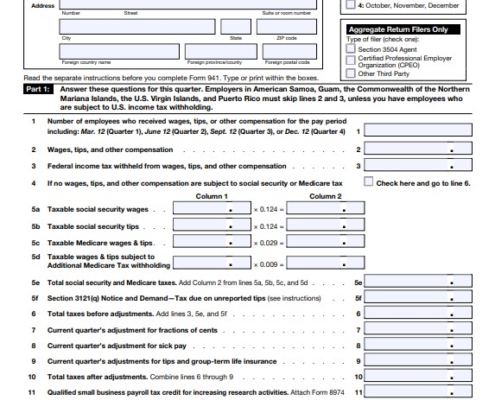 https://california-business-lawyer-corporate-lawyer.com/wp-content/uploads/2026/09/Form-941-New.jpg
742
573
shawna
http://california-business-lawyer-corporate-lawyer.com/wp-content/uploads/2022/05/Nakase-Wade-logo-transparent-200x54px.png
shawna2026-09-16 02:23:242026-09-16 02:24:05What Is Form 941? Filing Requirements, Deadlines, and Instructions
https://california-business-lawyer-corporate-lawyer.com/wp-content/uploads/2026/09/Form-941-New.jpg
742
573
shawna
http://california-business-lawyer-corporate-lawyer.com/wp-content/uploads/2022/05/Nakase-Wade-logo-transparent-200x54px.png
shawna2026-09-16 02:23:242026-09-16 02:24:05What Is Form 941? Filing Requirements, Deadlines, and Instructions https://california-business-lawyer-corporate-lawyer.com/wp-content/uploads/2026/09/What-Is-an-Annual-Report-for-an-LLC.jpg
792
1054
shawna
http://california-business-lawyer-corporate-lawyer.com/wp-content/uploads/2022/05/Nakase-Wade-logo-transparent-200x54px.png
shawna2026-09-16 02:15:342026-09-16 02:15:35What Is an Annual Report for an LLC?
https://california-business-lawyer-corporate-lawyer.com/wp-content/uploads/2026/09/What-Is-an-Annual-Report-for-an-LLC.jpg
792
1054
shawna
http://california-business-lawyer-corporate-lawyer.com/wp-content/uploads/2022/05/Nakase-Wade-logo-transparent-200x54px.png
shawna2026-09-16 02:15:342026-09-16 02:15:35What Is an Annual Report for an LLC? https://california-business-lawyer-corporate-lawyer.com/wp-content/uploads/2026/09/What-Is-a-Competitor-Company-Business-Definition-and-Examples.jpg
801
1062
shawna
http://california-business-lawyer-corporate-lawyer.com/wp-content/uploads/2022/05/Nakase-Wade-logo-transparent-200x54px.png
shawna2026-09-16 02:11:592026-09-16 02:12:01What Is a Competitor Company? Business Definition and Examples
https://california-business-lawyer-corporate-lawyer.com/wp-content/uploads/2026/09/What-Is-a-Competitor-Company-Business-Definition-and-Examples.jpg
801
1062
shawna
http://california-business-lawyer-corporate-lawyer.com/wp-content/uploads/2022/05/Nakase-Wade-logo-transparent-200x54px.png
shawna2026-09-16 02:11:592026-09-16 02:12:01What Is a Competitor Company? Business Definition and Examples https://california-business-lawyer-corporate-lawyer.com/wp-content/uploads/2026/08/Best-Free-Payroll-Software-for-Small-Businesses-and-Startups-in-2026.jpg
791
1199
Amit
http://california-business-lawyer-corporate-lawyer.com/wp-content/uploads/2022/05/Nakase-Wade-logo-transparent-200x54px.png
Amit2026-08-31 11:38:042026-08-31 11:38:27Best Free Payroll Software for Small Businesses and Startups in 2026
https://california-business-lawyer-corporate-lawyer.com/wp-content/uploads/2026/08/Best-Free-Payroll-Software-for-Small-Businesses-and-Startups-in-2026.jpg
791
1199
Amit
http://california-business-lawyer-corporate-lawyer.com/wp-content/uploads/2022/05/Nakase-Wade-logo-transparent-200x54px.png
Amit2026-08-31 11:38:042026-08-31 11:38:27Best Free Payroll Software for Small Businesses and Startups in 2026 https://california-business-lawyer-corporate-lawyer.com/wp-content/uploads/2026/08/How-To-Start-A-Restaurant.jpg
792
1163
shawna
http://california-business-lawyer-corporate-lawyer.com/wp-content/uploads/2022/05/Nakase-Wade-logo-transparent-200x54px.png
shawna2026-08-31 11:07:032026-08-31 11:10:16How to Open a Restaurant in 2026
https://california-business-lawyer-corporate-lawyer.com/wp-content/uploads/2026/08/How-To-Start-A-Restaurant.jpg
792
1163
shawna
http://california-business-lawyer-corporate-lawyer.com/wp-content/uploads/2022/05/Nakase-Wade-logo-transparent-200x54px.png
shawna2026-08-31 11:07:032026-08-31 11:10:16How to Open a Restaurant in 2026 https://california-business-lawyer-corporate-lawyer.com/wp-content/uploads/2026/08/Average-Small-Business-Revenue.jpg
786
1194
Nakase
http://california-business-lawyer-corporate-lawyer.com/wp-content/uploads/2022/05/Nakase-Wade-logo-transparent-200x54px.png
Nakase2026-08-31 09:57:062026-08-31 09:57:07Average Small Business Revenue and Owner Income
https://california-business-lawyer-corporate-lawyer.com/wp-content/uploads/2026/08/Average-Small-Business-Revenue.jpg
786
1194
Nakase
http://california-business-lawyer-corporate-lawyer.com/wp-content/uploads/2022/05/Nakase-Wade-logo-transparent-200x54px.png
Nakase2026-08-31 09:57:062026-08-31 09:57:07Average Small Business Revenue and Owner Income https://california-business-lawyer-corporate-lawyer.com/wp-content/uploads/2026/08/How-to-Start-a-Digital-Marketing-Agency.jpg
779
1062
Amit
http://california-business-lawyer-corporate-lawyer.com/wp-content/uploads/2022/05/Nakase-Wade-logo-transparent-200x54px.png
Amit2026-08-13 03:21:522026-08-13 03:21:53How to Start a Digital Marketing Agency in 2026
https://california-business-lawyer-corporate-lawyer.com/wp-content/uploads/2026/08/How-to-Start-a-Digital-Marketing-Agency.jpg
779
1062
Amit
http://california-business-lawyer-corporate-lawyer.com/wp-content/uploads/2022/05/Nakase-Wade-logo-transparent-200x54px.png
Amit2026-08-13 03:21:522026-08-13 03:21:53How to Start a Digital Marketing Agency in 2026 https://california-business-lawyer-corporate-lawyer.com/wp-content/uploads/2026/08/How-To-Setup-A-Virtual-Business-Address-For-LLC.jpg
786
1418
shawna
http://california-business-lawyer-corporate-lawyer.com/wp-content/uploads/2022/05/Nakase-Wade-logo-transparent-200x54px.png
shawna2026-08-13 02:28:242026-08-13 02:28:25How To Set Up A Virtual Business Address For LLC
https://california-business-lawyer-corporate-lawyer.com/wp-content/uploads/2026/08/How-To-Setup-A-Virtual-Business-Address-For-LLC.jpg
786
1418
shawna
http://california-business-lawyer-corporate-lawyer.com/wp-content/uploads/2022/05/Nakase-Wade-logo-transparent-200x54px.png
shawna2026-08-13 02:28:242026-08-13 02:28:25How To Set Up A Virtual Business Address For LLC https://california-business-lawyer-corporate-lawyer.com/wp-content/uploads/2026/08/What-is-a-Promissory-Note.jpg
778
1055
Nakase
http://california-business-lawyer-corporate-lawyer.com/wp-content/uploads/2022/05/Nakase-Wade-logo-transparent-200x54px.png
Nakase2026-08-13 02:23:222026-08-13 02:23:23What Is a Promissory Note? How It Works for a Personal Loan
https://california-business-lawyer-corporate-lawyer.com/wp-content/uploads/2026/08/What-is-a-Promissory-Note.jpg
778
1055
Nakase
http://california-business-lawyer-corporate-lawyer.com/wp-content/uploads/2022/05/Nakase-Wade-logo-transparent-200x54px.png
Nakase2026-08-13 02:23:222026-08-13 02:23:23What Is a Promissory Note? How It Works for a Personal Loan https://california-business-lawyer-corporate-lawyer.com/wp-content/uploads/2026/07/How-To-Find-My-EIN-Number.jpg
797
1050
Nakase
http://california-business-lawyer-corporate-lawyer.com/wp-content/uploads/2022/05/Nakase-Wade-logo-transparent-200x54px.png
Nakase2026-07-31 13:22:542026-07-31 13:22:55How To Find Your Business EIN Number
https://california-business-lawyer-corporate-lawyer.com/wp-content/uploads/2026/07/How-To-Find-My-EIN-Number.jpg
797
1050
Nakase
http://california-business-lawyer-corporate-lawyer.com/wp-content/uploads/2022/05/Nakase-Wade-logo-transparent-200x54px.png
Nakase2026-07-31 13:22:542026-07-31 13:22:55How To Find Your Business EIN Number https://california-business-lawyer-corporate-lawyer.com/wp-content/uploads/2026/07/Business-Acumen-Definition-Importance-and-Ways-to-Develop-It.jpg
798
1052
Nakase
http://california-business-lawyer-corporate-lawyer.com/wp-content/uploads/2022/05/Nakase-Wade-logo-transparent-200x54px.png
Nakase2026-07-31 13:17:192026-07-31 13:17:20Business Acumen: Definition, Importance, and Ways to Develop It
https://california-business-lawyer-corporate-lawyer.com/wp-content/uploads/2026/07/Business-Acumen-Definition-Importance-and-Ways-to-Develop-It.jpg
798
1052
Nakase
http://california-business-lawyer-corporate-lawyer.com/wp-content/uploads/2022/05/Nakase-Wade-logo-transparent-200x54px.png
Nakase2026-07-31 13:17:192026-07-31 13:17:20Business Acumen: Definition, Importance, and Ways to Develop It https://california-business-lawyer-corporate-lawyer.com/wp-content/uploads/2026/07/How-to-Open-a-Bar-Starting-a-Bar-Business.jpg
795
1056
Amit
http://california-business-lawyer-corporate-lawyer.com/wp-content/uploads/2022/05/Nakase-Wade-logo-transparent-200x54px.png
Amit2026-07-31 12:58:572026-07-31 12:58:59How to Open a Bar: Starting a Bar Business
https://california-business-lawyer-corporate-lawyer.com/wp-content/uploads/2026/07/How-to-Open-a-Bar-Starting-a-Bar-Business.jpg
795
1056
Amit
http://california-business-lawyer-corporate-lawyer.com/wp-content/uploads/2022/05/Nakase-Wade-logo-transparent-200x54px.png
Amit2026-07-31 12:58:572026-07-31 12:58:59How to Open a Bar: Starting a Bar Business https://california-business-lawyer-corporate-lawyer.com/wp-content/uploads/2026/07/What-Do-Corporate-Lawyers-Do.jpg
792
1059
shawna
http://california-business-lawyer-corporate-lawyer.com/wp-content/uploads/2022/05/Nakase-Wade-logo-transparent-200x54px.png
shawna2026-07-31 12:48:362026-07-31 12:48:37What Do Corporate Lawyers Do?
https://california-business-lawyer-corporate-lawyer.com/wp-content/uploads/2026/07/What-Do-Corporate-Lawyers-Do.jpg
792
1059
shawna
http://california-business-lawyer-corporate-lawyer.com/wp-content/uploads/2022/05/Nakase-Wade-logo-transparent-200x54px.png
shawna2026-07-31 12:48:362026-07-31 12:48:37What Do Corporate Lawyers Do? https://california-business-lawyer-corporate-lawyer.com/wp-content/uploads/2026/07/What-is-a-Mechanics-Lien-Key-Facts-and-Legal-Implications.jpg
790
1184
Amit
http://california-business-lawyer-corporate-lawyer.com/wp-content/uploads/2022/05/Nakase-Wade-logo-transparent-200x54px.png
Amit2026-07-11 06:22:032026-07-11 06:22:04What is a Mechanic’s Lien? Key Facts and Legal Implications
https://california-business-lawyer-corporate-lawyer.com/wp-content/uploads/2026/07/What-is-a-Mechanics-Lien-Key-Facts-and-Legal-Implications.jpg
790
1184
Amit
http://california-business-lawyer-corporate-lawyer.com/wp-content/uploads/2022/05/Nakase-Wade-logo-transparent-200x54px.png
Amit2026-07-11 06:22:032026-07-11 06:22:04What is a Mechanic’s Lien? Key Facts and Legal Implications https://california-business-lawyer-corporate-lawyer.com/wp-content/uploads/2026/07/When-are-S-Corp-Shareholders-Entitled-to-Shareholder-Distributions.jpg
788
1049
shawna
http://california-business-lawyer-corporate-lawyer.com/wp-content/uploads/2022/05/Nakase-Wade-logo-transparent-200x54px.png
shawna2026-07-11 06:11:382026-07-11 06:11:39When are S-Corp Shareholders Entitled to Shareholder Distributions?
https://california-business-lawyer-corporate-lawyer.com/wp-content/uploads/2026/07/When-are-S-Corp-Shareholders-Entitled-to-Shareholder-Distributions.jpg
788
1049
shawna
http://california-business-lawyer-corporate-lawyer.com/wp-content/uploads/2022/05/Nakase-Wade-logo-transparent-200x54px.png
shawna2026-07-11 06:11:382026-07-11 06:11:39When are S-Corp Shareholders Entitled to Shareholder Distributions? https://california-business-lawyer-corporate-lawyer.com/wp-content/uploads/2026/07/How-to-Start-a-Taxi-Business-in-2026.jpg
780
1391
claudiap
http://california-business-lawyer-corporate-lawyer.com/wp-content/uploads/2022/05/Nakase-Wade-logo-transparent-200x54px.png
claudiap2026-07-09 08:34:102026-07-09 08:34:18How to Start a Taxi Business in 2026
https://california-business-lawyer-corporate-lawyer.com/wp-content/uploads/2026/07/How-to-Start-a-Taxi-Business-in-2026.jpg
780
1391
claudiap
http://california-business-lawyer-corporate-lawyer.com/wp-content/uploads/2022/05/Nakase-Wade-logo-transparent-200x54px.png
claudiap2026-07-09 08:34:102026-07-09 08:34:18How to Start a Taxi Business in 2026 https://california-business-lawyer-corporate-lawyer.com/wp-content/uploads/2026/07/What-is-a-Business-Partnership-Meaning-and-Types.jpg
779
1412
shawna
http://california-business-lawyer-corporate-lawyer.com/wp-content/uploads/2022/05/Nakase-Wade-logo-transparent-200x54px.png
shawna2026-07-09 08:17:532026-07-09 08:17:55What is a Business Partnership: Meaning and Types?
https://california-business-lawyer-corporate-lawyer.com/wp-content/uploads/2026/07/What-is-a-Business-Partnership-Meaning-and-Types.jpg
779
1412
shawna
http://california-business-lawyer-corporate-lawyer.com/wp-content/uploads/2022/05/Nakase-Wade-logo-transparent-200x54px.png
shawna2026-07-09 08:17:532026-07-09 08:17:55What is a Business Partnership: Meaning and Types? https://california-business-lawyer-corporate-lawyer.com/wp-content/uploads/2026/07/What-Is-Gross-Profit-and-How-Is-It-Calculated-in-Financial-Statements.jpg
787
1189
Amit
http://california-business-lawyer-corporate-lawyer.com/wp-content/uploads/2022/05/Nakase-Wade-logo-transparent-200x54px.png
Amit2026-07-09 08:12:192026-07-09 08:12:20What Is Gross Profit and How Is It Calculated in Financial Statements?
https://california-business-lawyer-corporate-lawyer.com/wp-content/uploads/2026/07/What-Is-Gross-Profit-and-How-Is-It-Calculated-in-Financial-Statements.jpg
787
1189
Amit
http://california-business-lawyer-corporate-lawyer.com/wp-content/uploads/2022/05/Nakase-Wade-logo-transparent-200x54px.png
Amit2026-07-09 08:12:192026-07-09 08:12:20What Is Gross Profit and How Is It Calculated in Financial Statements? https://california-business-lawyer-corporate-lawyer.com/wp-content/uploads/2026/07/What-Is-Indemnity-and-How-Does-It-Apply-to-Insurance-Contracts.jpg
800
1055
Amit
http://california-business-lawyer-corporate-lawyer.com/wp-content/uploads/2022/05/Nakase-Wade-logo-transparent-200x54px.png
Amit2026-07-02 08:09:272026-07-02 08:09:29What Is Indemnity and How Does It Apply to Insurance Contracts?
https://california-business-lawyer-corporate-lawyer.com/wp-content/uploads/2026/07/What-Is-Indemnity-and-How-Does-It-Apply-to-Insurance-Contracts.jpg
800
1055
Amit
http://california-business-lawyer-corporate-lawyer.com/wp-content/uploads/2022/05/Nakase-Wade-logo-transparent-200x54px.png
Amit2026-07-02 08:09:272026-07-02 08:09:29What Is Indemnity and How Does It Apply to Insurance Contracts? https://california-business-lawyer-corporate-lawyer.com/wp-content/uploads/2026/07/Best-Self-Employment-Jobs-and-Ideas.jpg
786
1182
Amit
http://california-business-lawyer-corporate-lawyer.com/wp-content/uploads/2022/05/Nakase-Wade-logo-transparent-200x54px.png
Amit2026-07-02 08:00:232026-07-02 08:00:2452 Best Self-Employment Jobs and Business Ideas
https://california-business-lawyer-corporate-lawyer.com/wp-content/uploads/2026/07/Best-Self-Employment-Jobs-and-Ideas.jpg
786
1182
Amit
http://california-business-lawyer-corporate-lawyer.com/wp-content/uploads/2022/05/Nakase-Wade-logo-transparent-200x54px.png
Amit2026-07-02 08:00:232026-07-02 08:00:2452 Best Self-Employment Jobs and Business Ideas https://california-business-lawyer-corporate-lawyer.com/wp-content/uploads/2026/07/Steps-on-How-to-Start-a-Small-Restaurant.jpg
786
1417
Amit
http://california-business-lawyer-corporate-lawyer.com/wp-content/uploads/2022/05/Nakase-Wade-logo-transparent-200x54px.png
Amit2026-07-02 07:36:452026-07-02 07:36:468 Steps on How to Start a Small Restaurant
https://california-business-lawyer-corporate-lawyer.com/wp-content/uploads/2026/07/Steps-on-How-to-Start-a-Small-Restaurant.jpg
786
1417
Amit
http://california-business-lawyer-corporate-lawyer.com/wp-content/uploads/2022/05/Nakase-Wade-logo-transparent-200x54px.png
Amit2026-07-02 07:36:452026-07-02 07:36:468 Steps on How to Start a Small Restaurant https://california-business-lawyer-corporate-lawyer.com/wp-content/uploads/2026/07/How-to-Pay-Yourself-From-An-LLC.jpg
791
1426
shawna
http://california-business-lawyer-corporate-lawyer.com/wp-content/uploads/2022/05/Nakase-Wade-logo-transparent-200x54px.png
shawna2026-07-02 06:59:172026-07-02 06:59:18How to Pay Yourself From An LLC?
https://california-business-lawyer-corporate-lawyer.com/wp-content/uploads/2026/07/How-to-Pay-Yourself-From-An-LLC.jpg
791
1426
shawna
http://california-business-lawyer-corporate-lawyer.com/wp-content/uploads/2022/05/Nakase-Wade-logo-transparent-200x54px.png
shawna2026-07-02 06:59:172026-07-02 06:59:18How to Pay Yourself From An LLC? https://california-business-lawyer-corporate-lawyer.com/wp-content/uploads/2026/07/Elements-of-Libel-Definitions-Proof-and-Legal-Standards.jpg
783
1055
Amit
http://california-business-lawyer-corporate-lawyer.com/wp-content/uploads/2022/05/Nakase-Wade-logo-transparent-200x54px.png
Amit2026-07-02 06:52:572026-07-02 06:52:58Elements of Libel: Definitions, Proof, and Legal Standards
https://california-business-lawyer-corporate-lawyer.com/wp-content/uploads/2026/07/Elements-of-Libel-Definitions-Proof-and-Legal-Standards.jpg
783
1055
Amit
http://california-business-lawyer-corporate-lawyer.com/wp-content/uploads/2022/05/Nakase-Wade-logo-transparent-200x54px.png
Amit2026-07-02 06:52:572026-07-02 06:52:58Elements of Libel: Definitions, Proof, and Legal Standards https://california-business-lawyer-corporate-lawyer.com/wp-content/uploads/2026/07/How-to-Pay-Myself-as-a-Sole-Proprietor.jpg
792
1414
Nakase
http://california-business-lawyer-corporate-lawyer.com/wp-content/uploads/2022/05/Nakase-Wade-logo-transparent-200x54px.png
Nakase2026-07-01 12:25:332026-07-01 12:25:34How to Pay Yourself as a Sole Proprietor?
https://california-business-lawyer-corporate-lawyer.com/wp-content/uploads/2026/07/How-to-Pay-Myself-as-a-Sole-Proprietor.jpg
792
1414
Nakase
http://california-business-lawyer-corporate-lawyer.com/wp-content/uploads/2022/05/Nakase-Wade-logo-transparent-200x54px.png
Nakase2026-07-01 12:25:332026-07-01 12:25:34How to Pay Yourself as a Sole Proprietor?