How to Start a Lifestyle Brand Business in 10 Steps
Start a lifestyle brand business in 10 steps, from choosing a niche to marketing your offerings. Build income around your goals with budgeting, automation, and multiple revenue streams.

Start a lifestyle brand business in 10 steps, from choosing a niche to marketing your offerings. Build income around your goals with budgeting, automation, and multiple revenue streams.

By Douglas Wade, Attorney
Email | Call (800) 484-4610
Have a quick question? We answered nearly 2000 FAQs.
When questioned why they launched their own enterprise, 54% of young solopreneurs stated that they desired to “be their own employer” and 53% said that they wished to “work in accordance with their own schedule”—motivations that far outweighed financial gain.
That’s the essence of lifestyle-based business: successful, certainly, but built to support rather than devour your life.
With the help of this guide, you can create a lifestyle brand that will enable you to lead the life that you desire.
The lifestyle business usually focuses less on growth or returns on investment. A lifestyle firm is a small & owner-led enterprise. It supports individual autonomy (financial, innovative, & time-based). The business framework, which frequently operates alone or with just a few people and depends on flexible digital technologies, is purposefully designed to meet your desired lifestyle.
The majority of lifestyle businesses can be classified as either selling a product, selling a service, or selling your expertise.
Other names for these categories include:
Starting a specialized lifestyle business gives you authority over your hours, energy, and priorities—something that most jobs & many startups are unable to or won’t.
In reality, according to an Upwork analysis, 28 percent of US skilled professionals are independent contractors or freelancers, with a combined income of over $1.5 trillion.
Additionally, according to a report, 32.6 million people, or 22 percent of the United States workforce, worked remotely, which is a key component of the virtual-nomad style of living.
This is no longer fringe. A growing number of people are creating enterprises based on their schedules, abilities, and sense of “enough.”
Set life objectives that will direct your lifestyle organization path before jumping into possible business concepts. You may decide to work a workweek of four days if you presently put in forty to sixty hours each week. If your quality of life is negatively impacted by traffic jams, you may want to consider working from home.
Although everyone will naturally have different life goals, the following are some typical ones to think about:
How many vacations do you like? How frequently do you wish to work, etc.? Do you prefer to meet with clients in person? Do you want human interaction? Do you prefer to spend your days sitting at the desk?
A water-cooler lifestyle & social contact are missed by others. Perhaps you can work some hours per day if you have children. You might be a night owl.
Nothing is good or bad; it’s simply who you are.
Put them in writing. These will turn into the filter by which you analyze every business choice.
You get to decide what constitutes financial success for your way of life and business. It can be profitable. You may earn between $30k & $300k annually.
Create a brief statement of your personal vision:
I would like to work about 30 hours a week, make trips sparingly throughout Europe, & enjoy a lot of time with relatives in England. I plan to continue working full-time till June so as to test ideas & save nine thousand dollars. By August, I want to make $2k per month. I want to make $3.5k by the end of the year.
Clarity of your aim will help you when you develop a lifestyle enterprise. You might not have every solution at the beginning, and your objectives & goals might shift over time.
Even multimillionaire business owners agree that passive income is mostly a fantasy. You still need to market the product, your abilities, and your business vehicle. Yes, you may outsource much of it, but since a real lifestyle business gives you daily sustenance, it’s likely that you would continue to be engaged since you truly love it.
The concept is to live a beneficial lifestyle completely on terms that suit you. You decide how, when, & why you operate. Most crucially, how much money you earn from it altogether.
It’s time to ensure the numbers add up. This is once you’ve decided on the type of lifestyle you want to lead.
A strong financial runway is important because a lifestyle-based company offers flexibility rather than insulation from cash management difficulties.
Over the subsequent six to twelve months, you should set aside money for both your daily living expenses & the initial costs of your business.
A. Recognize your starting point
Start setting up your monthly living budget. This includes things like groceries, rent, insurance coverage, transportation, & subscriptions.
Next, double that by the number of months you choose to allow yourself to reach the minimum income target.
Example:
Add the business model category now:
B. Timeline
It is like a runway that has been reverse-engineered. Perfect projections are not necessary. Clarity is definitely important.
C. Setting the goals
You ought to divide your timeline into manageable segments. Also, describe what achievement looks like every quarter. For instance:
It’s essential to begin with the knowledge and abilities you already have, regardless of whether your goal is to work as a freelancer or get experience as an independent hacker. If learning new skills or gaining new professional skills is a component of your aim to launch a lifestyle enterprise, think about what you could be naturally good at or passionate about.
You also have to assess the passion of your audience before you can target it. It should ideally be stuff you are enthusiastic about as well.
Nike’s founders were passionate about fitness since they were athletes. They may link to and communicate it with the intended audience. For the majority of excellent lifestyle brands, that is the case. Steve Jobs, Ronald Wayne, and Steve Wozniak were all enthusiastic about computers & innovation when they founded Apple.
You must at the very least be informed about the product you are branding, even if it is not something you are passionate about. Know what motivates customers to purchase your fitness clothing. Learn what they desire and why. This is how you get to them.
Think about what is currently sought after in addition to the talents you already possess and wish to acquire. For instance, the top ten careers and talents in the marketing and sales sector are included in Upwork’s latest report:
You must consider how the professional skills and areas of experience might help you launch a lifestyle brand enterprise. It does not matter whether it is consultancy or content creation.
You ought to focus on a certain niche. You are a talented writer & you want to work as a freelancer. Content writing is a broad field, though. It can be really challenging to market your skills to certain consumers. Clients frequently seek specialists.
1. Writing
2. Video editing
3. Software development
4. Marketing
5. Photography
Below are a few starting points that support actual demand:
Bestselling author Tim Ferriss had to learn this concept through hardship.
Ferriss spent several thousand dollars creating the video collection for college counseling professionals prior to starting his company. Only one of the 500 prints he produced was sold.
He learned the most important lesson of lifestyle brand enterprises from that failure:
“Avoid asking them if they are willing to purchase.” Request that they purchase.
You want evidence that someone is interested in whatever you have to offer.
If you’re providing a service
Reach is the simplest route to validation. Send a message to potential customers. Forward a proposal. Make a paid exploration session available.
If you are selling a physical or digital product
Validation requires a few extra steps. It’s still simple if you do it wisely.
1. Do some keyword research beforehand
Find out what consumers are looking for & how tough it is before producing anything. To determine demand, use resources like Ahrefs or Ubersuggest. You’ll need to put in more effort to tell the market if no one is looking for your type of product.
2. Conduct surveys of your audience
Ask them personally if you already have a significant social media following or email list:
3. Use pre-sales or waitlists as a test
Prior to constructing your product:
4. Try using fast formats
The platforms that you choose will be entirely reliant on the type of business you are starting, but they must all serve the same purpose: to make life for you easier.
We’ve arranged common tools by typical use case below so you may mix and combine them according to your company plan.
A. For developing and hosting the product you sell
These systems enable you to host & sell digital products, lessons, or subscriptions with little setup:
Virtual courses
MasterClass, Teachable, Udemy, & Podia
Memberships and revenue
Cameo, Mighty Networks, Patreon
B. For the sale of tangible or digital products
To open a business, handle inventory, & sell products to consumers, use these resources:
E-commerce sites
Pietra, Etsy, and Shopify
Invoicing and payments
Wave, Sage, QuickBooks, & FreshBooks
C. For expanding a content audience
Consistent publishing methods are essential for content-led enterprises (such as writing, influencing, or coaching) to gain credibility and draw in customers:
Newsletters
Mailchimp, Kit, and Substack
Platforms for blogs
Medium, Ghost, and WordPress
Link pages
Beacons, Stan.me, Linkture, and Lnk.Bio
D. For establishing your virtual home
These tools assist you in getting online quickly, whether you are starting an individual brand website, product website, or portfolio:
Website developers
Webflow, Wix, & Squarespace
E. For promotion and marketing
You’ll need the following resources to market your service/good through advertisements or natural content once it’s live:
Advertising
Facebook, Instagram, Google advertisements
Social media administration tools
Agorapulse, Hootsuite, Loomly, and Buffer
F. For media-based companies and creators
These tools assist you in creating and distributing material at scale, whether it be audio, video, or livestream:
Audio editing tools
GarageBand, Audacity, and Descript
Podcasting
Buzzsprout, Libsyn, Anchor (which is currently Spotify)
Platforms for videos and creators
Facebook Gaming, YouTube Shorts, Instagram Reels, Twitch, TikTok, & YouTube
G. For independent contractors & client-based enterprises
These resources assist you in finding employment, receiving compensation, and maintaining organization if your lifestyle brand company is focused on client offerings:
Platforms for freelancers
Upwork, Fiverr, Freelancer, Toptal
Productivity and project management tools
Things, Dropbox, Google Workspace, Notion, Todoist & Fantastical
H. For in-person experiences & events
These tools assist you in going live & maintaining communication when you are conducting seminars, webinars, & online conferences:
Webinars and virtual events
Zoom, Crowdcast, Hopin, Airmeet, RunTheWorld.
A. Outsourcing or Automation
You don’t have to be a solo performer all the time. Actually, using automation or reasonably priced, focused outsourcing to purchase back your time is one of the best things you could do as an entrepreneur.
B. When should you automate?
Kit automations, Shopify Flow, and Zapier are several tools that can assist with it.
C. When should you outsource?
D. Typical jobs that lifestyle companies outsource
Virtual support
Admin, calendar booking, and inbox triage
Design
Course slide presentations, thumbnails, and brand kits
Editing audio and video
YouTube, podcasts, and reels
Customer service
Chat or email
Content
Scheduling social media posts and Blog formatting
SEO
SEO research
Finance
Taxes & bookkeeping
Lifestyle brand firms use marketing to attract clients. Your company model will determine what works.
A freelancer who provides services won’t employ the same approach as someone who sells ebooks. The fundamental objective remains the same, though. Put your focus into action.
Let’s go over a few typical customer acquisition avenues, and the times it makes the most sense to use them.
A. Paid advertising
Ideal for
Course launches, e-commerce, digital goods.
Platforms
Instagram, Facebook
B. Google Ads
Your reach can be increased by paid advertisements. There should be a small daily budget. You should experiment with one medium at a particular time.
Social media
Ideal for
Services, e-commerce, consultants, creators.
Platforms
YouTube Shorts, LinkedIn, X, Instagram, & TikTok.
You ought to share content that demonstrates your product’s functionality. Your knowledge or your work in the background ought to be shown. Carousels & LinkedIn postings are effective if you are a financial advisor. Offering skin care products? TikTok transformations and tutorials are popular.
C. Email marketing
Ideal for
Digital goods, specialized e-commerce, & productized services.
Platforms
Mailchimp, Kit, & Substack.
You may start with a straightforward opt-in page (use a reward if necessary). You need to provide members with introductory offers or helpful content. Writers, instructors, & course designers benefit greatly from weekly emails.
D. Content marketing & SEO
Perfect for
Teachers, coaches, writers, artists.
Platforms
Storychief, Surfer.
E. Influencer marketing
Ideal for
Lifestyle brands, courses, & tangible goods.
Platforms
UpPromote.
Choose a specialty. Your vegetarian recipe booklet will benefit more from a culinary YouTuber having 10,000 active followers than from a big influencer who has an unsuitable subscriber list.
F. Guest appearances
Ideal for
Consultants, service providers, artists.
Platforms
Featured, Qwoted.
You should make a request to relevant people to appear as an invited speaker. This can be done on specialized podcasts, blogs, & Substack publications. Customize the pitch. You ought to also include a link to a reservation page, lead magnet, & waitlist.
Sometimes a single freelance customer accounts for a large portion of your job. Your earnings could completely disappear if they terminate your agreement. You ought to prevent becoming overly dependent on a single source of income. It is good to diversify your sources.
These are some suggestions for expanding your business’s revenue streams:
The number of hours you put in in a week or day has to be tracked. Adding more sources of revenue shouldn’t increase your workload too much. You can consider sources of passive revenue. Small adjustments are sometimes effective. They may also be assessed.
Years of expertise & training will inevitably improve your company. You will become more skilled at what you do. You have to be deliberate about your professional & personal growth by scheduling time for education and skill development,
These are some strategies to incorporate learning into both your personal & professional life:
Being a solopreneur gives you liberty, but it may also give rise to loneliness. The sense of loneliness can easily worsen in the absence of coworker friendships. Having a team to gain knowledge from is another advantage of collaborating with large teams. You might be a popular freelance IT professional or a YouTuber. Doing it alone might make it harder to advance in your field, though.
You ought to make a conscious effort to build a network. There are people with similar interests. They can identify with your journey as a business owner. They might also offer guidance & support when you require it.
You can locate a professional network in the following ways:
Have a quick question? We answered nearly 2000 FAQs.
See all blogs: Business | Corporate | Employment
Most recent blogs:
 https://california-business-lawyer-corporate-lawyer.com/wp-content/uploads/2026/10/10-Steps-on-How-to-Start-Up-a-Lifestyle-Brand-Business.jpg
783
1058
claudiap
http://california-business-lawyer-corporate-lawyer.com/wp-content/uploads/2022/05/Nakase-Wade-logo-transparent-200x54px.png
claudiap2026-10-16 04:33:242026-10-16 04:33:26How to Start a Lifestyle Brand Business in 10 Steps
 https://california-business-lawyer-corporate-lawyer.com/wp-content/uploads/2026/10/How-to-Add-a-Partner-to-an-Existing-Business.jpg
786
1056
claudiap
http://california-business-lawyer-corporate-lawyer.com/wp-content/uploads/2022/05/Nakase-Wade-logo-transparent-200x54px.png
claudiap2026-10-16 03:44:352026-10-16 03:44:36How to Add a Partner to an LLC
 https://california-business-lawyer-corporate-lawyer.com/wp-content/uploads/2026/10/What-is-the-difference-between-C-Corp-and-S-Corp-and-LLC.jpg
796
1057
shawna
http://california-business-lawyer-corporate-lawyer.com/wp-content/uploads/2022/05/Nakase-Wade-logo-transparent-200x54px.png
shawna2026-10-16 03:39:142026-10-16 03:39:15What is the difference between C Corp, S Corp, and LLC?
 https://california-business-lawyer-corporate-lawyer.com/wp-content/uploads/2026/10/What-Is-a-Lease.jpg
777
1054
Nakase
http://california-business-lawyer-corporate-lawyer.com/wp-content/uploads/2022/05/Nakase-Wade-logo-transparent-200x54px.png
Nakase2026-10-16 03:33:552026-10-16 03:33:56What Is a Lease? Definition, Types, and Key Requirements
 https://california-business-lawyer-corporate-lawyer.com/wp-content/uploads/2026/09/What-is-an-equity-partner-at-a-law-firm.jpg
786
1057
claudiap
http://california-business-lawyer-corporate-lawyer.com/wp-content/uploads/2022/05/Nakase-Wade-logo-transparent-200x54px.png
claudiap2026-09-16 03:06:032026-09-16 03:06:05What is an Equity Partner at a Law Firm and How Much Does an Equity Partner Make?
 https://california-business-lawyer-corporate-lawyer.com/wp-content/uploads/2026/09/What-Is-Equitable-Estoppel-in-California.jpg
792
1071
shawna
http://california-business-lawyer-corporate-lawyer.com/wp-content/uploads/2022/05/Nakase-Wade-logo-transparent-200x54px.png
shawna2026-09-16 02:27:132026-09-16 02:27:15What Is Equitable Estoppel in California?
 https://california-business-lawyer-corporate-lawyer.com/wp-content/uploads/2026/09/Form-941-New.jpg
742
573
shawna
http://california-business-lawyer-corporate-lawyer.com/wp-content/uploads/2022/05/Nakase-Wade-logo-transparent-200x54px.png
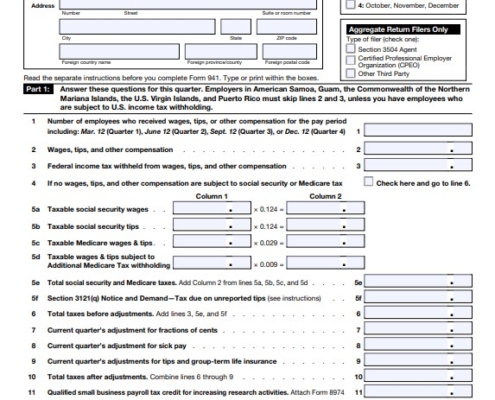
shawna2026-09-16 02:23:242026-09-16 02:24:05What Is Form 941? Filing Requirements, Deadlines, and Instructions
 https://california-business-lawyer-corporate-lawyer.com/wp-content/uploads/2026/09/What-Is-an-Annual-Report-for-an-LLC.jpg
792
1054
shawna
http://california-business-lawyer-corporate-lawyer.com/wp-content/uploads/2022/05/Nakase-Wade-logo-transparent-200x54px.png
shawna2026-09-16 02:15:342026-09-16 02:15:35What Is an Annual Report for an LLC?
 https://california-business-lawyer-corporate-lawyer.com/wp-content/uploads/2026/09/What-Is-a-Competitor-Company-Business-Definition-and-Examples.jpg
801
1062
shawna
http://california-business-lawyer-corporate-lawyer.com/wp-content/uploads/2022/05/Nakase-Wade-logo-transparent-200x54px.png
shawna2026-09-16 02:11:592026-09-16 02:12:01What Is a Competitor Company? Business Definition and Examples
 https://california-business-lawyer-corporate-lawyer.com/wp-content/uploads/2026/08/Best-Free-Payroll-Software-for-Small-Businesses-and-Startups-in-2026.jpg
791
1199
Amit
http://california-business-lawyer-corporate-lawyer.com/wp-content/uploads/2022/05/Nakase-Wade-logo-transparent-200x54px.png
Amit2026-08-31 11:38:042026-08-31 11:38:27Best Free Payroll Software for Small Businesses and Startups in 2026
 https://california-business-lawyer-corporate-lawyer.com/wp-content/uploads/2026/08/How-To-Start-A-Restaurant.jpg
792
1163
shawna
http://california-business-lawyer-corporate-lawyer.com/wp-content/uploads/2022/05/Nakase-Wade-logo-transparent-200x54px.png
shawna2026-08-31 11:07:032026-08-31 11:10:16How to Open a Restaurant in 2026
 https://california-business-lawyer-corporate-lawyer.com/wp-content/uploads/2026/08/Average-Small-Business-Revenue.jpg
786
1194
Nakase
http://california-business-lawyer-corporate-lawyer.com/wp-content/uploads/2022/05/Nakase-Wade-logo-transparent-200x54px.png
Nakase2026-08-31 09:57:062026-08-31 09:57:07Average Small Business Revenue and Owner Income
 https://california-business-lawyer-corporate-lawyer.com/wp-content/uploads/2026/08/How-to-Start-a-Digital-Marketing-Agency.jpg
779
1062
Amit
http://california-business-lawyer-corporate-lawyer.com/wp-content/uploads/2022/05/Nakase-Wade-logo-transparent-200x54px.png
Amit2026-08-13 03:21:522026-08-13 03:21:53How to Start a Digital Marketing Agency in 2026
 https://california-business-lawyer-corporate-lawyer.com/wp-content/uploads/2026/08/How-To-Setup-A-Virtual-Business-Address-For-LLC.jpg
786
1418
shawna
http://california-business-lawyer-corporate-lawyer.com/wp-content/uploads/2022/05/Nakase-Wade-logo-transparent-200x54px.png
shawna2026-08-13 02:28:242026-08-13 02:28:25How To Set Up A Virtual Business Address For LLC
 https://california-business-lawyer-corporate-lawyer.com/wp-content/uploads/2026/08/What-is-a-Promissory-Note.jpg
778
1055
Nakase
http://california-business-lawyer-corporate-lawyer.com/wp-content/uploads/2022/05/Nakase-Wade-logo-transparent-200x54px.png
Nakase2026-08-13 02:23:222026-08-13 02:23:23What Is a Promissory Note? How It Works for a Personal Loan
 https://california-business-lawyer-corporate-lawyer.com/wp-content/uploads/2026/07/How-To-Find-My-EIN-Number.jpg
797
1050
Nakase
http://california-business-lawyer-corporate-lawyer.com/wp-content/uploads/2022/05/Nakase-Wade-logo-transparent-200x54px.png
Nakase2026-07-31 13:22:542026-07-31 13:22:55How To Find Your Business EIN Number
 https://california-business-lawyer-corporate-lawyer.com/wp-content/uploads/2026/07/Business-Acumen-Definition-Importance-and-Ways-to-Develop-It.jpg
798
1052
Nakase
http://california-business-lawyer-corporate-lawyer.com/wp-content/uploads/2022/05/Nakase-Wade-logo-transparent-200x54px.png
Nakase2026-07-31 13:17:192026-07-31 13:17:20Business Acumen: Definition, Importance, and Ways to Develop It
 https://california-business-lawyer-corporate-lawyer.com/wp-content/uploads/2026/07/How-to-Open-a-Bar-Starting-a-Bar-Business.jpg
795
1056
Amit
http://california-business-lawyer-corporate-lawyer.com/wp-content/uploads/2022/05/Nakase-Wade-logo-transparent-200x54px.png
Amit2026-07-31 12:58:572026-07-31 12:58:59How to Open a Bar: Starting a Bar Business
 https://california-business-lawyer-corporate-lawyer.com/wp-content/uploads/2026/07/What-Do-Corporate-Lawyers-Do.jpg
792
1059
shawna
http://california-business-lawyer-corporate-lawyer.com/wp-content/uploads/2022/05/Nakase-Wade-logo-transparent-200x54px.png
shawna2026-07-31 12:48:362026-07-31 12:48:37What Do Corporate Lawyers Do?
 https://california-business-lawyer-corporate-lawyer.com/wp-content/uploads/2026/07/What-is-a-Mechanics-Lien-Key-Facts-and-Legal-Implications.jpg
790
1184
Amit
http://california-business-lawyer-corporate-lawyer.com/wp-content/uploads/2022/05/Nakase-Wade-logo-transparent-200x54px.png
Amit2026-07-11 06:22:032026-07-11 06:22:04What is a Mechanic’s Lien? Key Facts and Legal Implications
 https://california-business-lawyer-corporate-lawyer.com/wp-content/uploads/2026/07/When-are-S-Corp-Shareholders-Entitled-to-Shareholder-Distributions.jpg
788
1049
shawna
http://california-business-lawyer-corporate-lawyer.com/wp-content/uploads/2022/05/Nakase-Wade-logo-transparent-200x54px.png
shawna2026-07-11 06:11:382026-07-11 06:11:39When are S-Corp Shareholders Entitled to Shareholder Distributions?
 https://california-business-lawyer-corporate-lawyer.com/wp-content/uploads/2026/07/How-to-Start-a-Taxi-Business-in-2026.jpg
780
1391
claudiap
http://california-business-lawyer-corporate-lawyer.com/wp-content/uploads/2022/05/Nakase-Wade-logo-transparent-200x54px.png
claudiap2026-07-09 08:34:102026-07-09 08:34:18How to Start a Taxi Business in 2026
 https://california-business-lawyer-corporate-lawyer.com/wp-content/uploads/2026/07/What-is-a-Business-Partnership-Meaning-and-Types.jpg
779
1412
shawna
http://california-business-lawyer-corporate-lawyer.com/wp-content/uploads/2022/05/Nakase-Wade-logo-transparent-200x54px.png
shawna2026-07-09 08:17:532026-07-09 08:17:55What is a Business Partnership: Meaning and Types?
 https://california-business-lawyer-corporate-lawyer.com/wp-content/uploads/2026/07/What-Is-Gross-Profit-and-How-Is-It-Calculated-in-Financial-Statements.jpg
787
1189
Amit
http://california-business-lawyer-corporate-lawyer.com/wp-content/uploads/2022/05/Nakase-Wade-logo-transparent-200x54px.png
Amit2026-07-09 08:12:192026-07-09 08:12:20What Is Gross Profit and How Is It Calculated in Financial Statements?
 https://california-business-lawyer-corporate-lawyer.com/wp-content/uploads/2026/07/What-Is-Indemnity-and-How-Does-It-Apply-to-Insurance-Contracts.jpg
800
1055
Amit
http://california-business-lawyer-corporate-lawyer.com/wp-content/uploads/2022/05/Nakase-Wade-logo-transparent-200x54px.png
Amit2026-07-02 08:09:272026-07-02 08:09:29What Is Indemnity and How Does It Apply to Insurance Contracts?
 https://california-business-lawyer-corporate-lawyer.com/wp-content/uploads/2026/07/Best-Self-Employment-Jobs-and-Ideas.jpg
786
1182
Amit
http://california-business-lawyer-corporate-lawyer.com/wp-content/uploads/2022/05/Nakase-Wade-logo-transparent-200x54px.png
Amit2026-07-02 08:00:232026-07-02 08:00:2452 Best Self-Employment Jobs and Business Ideas
 https://california-business-lawyer-corporate-lawyer.com/wp-content/uploads/2026/07/Steps-on-How-to-Start-a-Small-Restaurant.jpg
786
1417
Amit
http://california-business-lawyer-corporate-lawyer.com/wp-content/uploads/2022/05/Nakase-Wade-logo-transparent-200x54px.png
Amit2026-07-02 07:36:452026-07-02 07:36:468 Steps on How to Start a Small Restaurant
 https://california-business-lawyer-corporate-lawyer.com/wp-content/uploads/2026/07/How-to-Pay-Yourself-From-An-LLC.jpg
791
1426
shawna
http://california-business-lawyer-corporate-lawyer.com/wp-content/uploads/2022/05/Nakase-Wade-logo-transparent-200x54px.png
shawna2026-07-02 06:59:172026-07-02 06:59:18How to Pay Yourself From An LLC?
 https://california-business-lawyer-corporate-lawyer.com/wp-content/uploads/2026/07/Elements-of-Libel-Definitions-Proof-and-Legal-Standards.jpg
783
1055
Amit
http://california-business-lawyer-corporate-lawyer.com/wp-content/uploads/2022/05/Nakase-Wade-logo-transparent-200x54px.png
Amit2026-07-02 06:52:572026-07-02 06:52:58Elements of Libel: Definitions, Proof, and Legal Standards
 https://california-business-lawyer-corporate-lawyer.com/wp-content/uploads/2026/07/How-to-Pay-Myself-as-a-Sole-Proprietor.jpg
792
1414
Nakase
http://california-business-lawyer-corporate-lawyer.com/wp-content/uploads/2022/05/Nakase-Wade-logo-transparent-200x54px.png
Nakase2026-07-01 12:25:332026-07-01 12:25:34How to Pay Yourself as a Sole Proprietor?
See all blogs: Business | Corporate | Employment