Introduction
The top free payroll software enables you to automate payments, maintain tax compliance, and get rid of manual errors.
You’re not alone if you’re currently using spreadsheets to handle payroll, tracking down timesheets, or worrying about tax deadlines. Many small business owners and HR professionals are forced to choose between costly platforms they have outgrown or cumbersome legacy systems.
That’s precisely the reason I created this guide. I’ve reviewed payroll and HR software to assist lean organizations like yours in finding dependable free options.
I’ll guide you through the top free payroll software for small businesses on the market right now in this post, which will enable you to manage accurate, legal payroll with assurance and save you many hours of administrative labor per month.
Reviews of the Best Free Payroll Software
Let’s analyze the top ten free payroll software options for small businesses, giving you a thorough understanding of their salient characteristics, advantages and disadvantages, free features, and a preview of the user interface so you know what to anticipate. Additionally, you’ll find more bonus selections to assist you in selecting the ideal fit if you require more options.
1. QuickBooks Workforce
Employees can access salary slips, W-2s, tax forms, & time tracking on demand via QuickBooks Workforce. It is an employee self-help portal integrated into QuickBooks Payroll. It is linked to the payroll records your team already maintains in QuickBooks.
What Businesses Are a Good Fit for QuickBooks Workforce?
It will work well for companies that already use QuickBooks for payroll. They just want their employees to handle their own pay documentation.
Why I Chose QuickBooks Workforce
I chose it because it allows employees to use a self-service interface to handle their payroll data. Workers do not have to ask for copies from HR to view & access pay stubs & W-2s via the Workforce application or web portal. Additionally, I appreciate that when enabled, employees may handle details like tax forms, direct deposit, and personal information, which saves employers from having to make manual revisions.
Integrations with QuickBooks Workforce
Checkr, SimplyInsured, Guideline 401(k), Allstate Health Solutions, QuickBooks Time, QuickBooks Online, QuickBooks Payroll, & QuickBooks Online Accountant are among the integrations. Intuit’s developer APIs allow for custom integrations.
What’s Free?
Although QuickBooks Workforce does not provide a free payroll plan, it does provide a free trial version for new users. After the trial period expires, businesses must purchase a subscription to continue processing payroll. Workers can obtain W-2s, pay stubs, tax information, and other payroll data provided by their employer for free using the Workforce app.
Pros
- Supports payments to 1099 contractors and W-2 employees
- Automated filing of local, state, and federal taxes
- QuickBooks accounting is synchronized with payroll & tax data
Cons
- Restricted personalization for larger groups
- Mostly advantageous for people who are already acquainted with the QuickBooks system
2. RUN
RUN is designed to make payroll and HR administration easier for small and medium-sized companies. For businesses in sectors like retail, hotels, and nonprofits that require effective payroll processing & tax compliance, it’s a desirable option. Your team may concentrate more on business and not as much on administrative work by automating processes like tax filings and payroll computations.
Why I Chose RUN?
I chose RUN because it guarantees tax compliance and automates important payroll procedures, both of which are critical for small businesses searching for a dependable payroll solution. Payroll administration is made easier and less labor-intensive by features like direct deposit and automatic tax filing. It is a complete solution for effectively handling payroll and hiring because of its interaction with ZipRecruiter, which significantly improves recruitment procedures.
Key Features
RUN has a number of important features that increase its usefulness for small enterprises, in addition to the payroll automation & tax compliance capabilities:
- Self-Service Platform for Employees: It reduces administrative work for HR teams. Employees will be able to view & manage pay stubs, tax documents, and personal data.
- Document Vault: Provides simple access & adherence to data management regulations. It offers safe storage for critical documents.
- Integration with Clover: Enhances the overall effectiveness of business operations by enabling smooth payment processing.
- Mobile App: Enables organizations to quickly manage operations from any location by providing mobile access to standard payroll & HR features.
RUN Integrations
ZipRecruiter, Clover, & QuickBooks are among the integrations. Additional personalization and functional improvements are possible via the ADP Marketplace.
Pros
- Flexible options for service packages
- Expands to accommodate corporate development
- Strong compliance with payroll taxes
Cons
- Restricted customization of reports
- Higher initial monthly expenses
3. OnPay
OnPay was created for small businesses looking for a simple solution. It can manage payroll while closely monitoring labor expenses. It provides an interface with transparent pricing & useful features. HR teams that want HR and payroll benefits support in one location will find it useful.
Why OnPay Was My Choice
I chose OnPay because it allows small teams to conduct payroll as frequently as necessary while maintaining completely automated tax filing in the background. You can confidently monitor your expenditure by creating comprehensive reports on payroll that break down expenses by department or employee.
Key Features
Here are a few noteworthy aspects that should be emphasized:
- Limitless Pay Runs: Payroll can be processed as often as necessary without incurring additional costs.
- Automated tax filing: Federal, state, & local taxes are computed, filed, and paid for you using automated tax filing.
- Integrated PTO Tools: Monitor balances, authorize requests, and immediately sync paid time off.
- Workforce Self-Service: Permit employees to view documents and update personal information from any device.
Integrations
QuickBooks Time, QuickBooks Online, When I Work, Mineral, Xero, Vestwell, Guideline, & PosterElite are among the integrations.
Pros
- Good reporting with payroll allocations that can be customized
- Automated filing of local, state, and federal taxes
- Limitless pay runs at no extra expense
Cons
- Benefit administration is only available in the United States.
- Mobile navigation could be made better.
4. HomeBase
HomeBase is a flexible HR software. It is designed to assist small businesses in handling payroll, time clocks, & work calendars all at once. It computes taxes, provides accurate payments to workers, and simplifies the payroll process. It does this by converting timesheets into working hours and wages.
Why I chose HomeBase Payroll
By using their time clock & timesheet tool to automatically compute an employee’s normal hours, overtime, and breaks, their payroll system minimizes data entry. Small businesses may now easily process payroll without having to double-check every piece of information.
Features & Integrations for HomeBase Payroll
Automated tax filing and payments, W-2 & 1099 form access, employee auto-onboarding, e-sign payroll documents, direct deposits, limitless payroll runs, and no-cost payroll transfer facilities are some of the features.
Employees may view their hours, earnings, schedules, & W-2 forms through their mobile app. It also has communication facilities that allow employees to assist one another in trading and covering shifts.
Several point-of-sale suppliers and a few well-known HR platforms, such as ADP, Paychex, Gusto, QuickBooks, Square Payroll, Rippling, & SurePayroll, are compatible with integrations.
What’s Free: The Basic service plan is a great option for small businesses because it is perpetually free for a limitless number of employees at a single workplace (premium plans start at $20/month). They offer payroll services as an extra to the free package, which starts at $6 per employee per month plus a basic price of $39 per month.
Additionally, when fresh HomeBase payroll users add the payroll integration to either of their plans, they get a complimentary initial three months.
Pros
- Employees can easily use the mobile app.
- Includes prompt wage access for workers to assist with unforeseen, urgent expenditures.
- Timesheets & time clocks, scheduling, communications, and hiring tools are all included in the free plan.
Cons
- Designed specifically for US-based enterprises.
- Payroll features are only accessible as an extra.
5. Patriot Payroll
For small businesses looking for an easy way to handle payroll without juggling various tools, Patriot Payroll is a suitable option. It is designed for teams who require simple pay runs, transparent tax management, and assistance for both workers and contractors.
Why Patriot Payroll Is My Choice
I chose Patriot Payroll as it provides a straightforward, step-by-step method for processing payroll, which lowers errors and administrative time. With automated federal, state, and local tax deduction and remittance capabilities, you can manage employee paychecks, contractor checks, and tax computations all in one location.
Its mobile-responsive design allows you to manage payroll activities from any of your devices, which is useful for small groups without a specialized payroll administrator. I particularly enjoy that you can create year-to-date summaries & tax liability sheets without transferring data to another system. Additionally, direct deposit capability facilitates prompt and reliable payments when dealing with contractors.
Key Features
- PTO Management: Use the platform to monitor and authorize employee time-off requests.
- Employee Information Monitoring: Maintain a single & centralized record of all essential employee information.
- E-Filing of 1099 forms: You can create & submit 1099 forms.
- Time and Attendance Sync: It reduces manual entry by pulling monitored hours into payroll.
Integrations
GoCo, Plaid, TSheets, & QuickBooks Time are among the integrations.
Pros
- A simple three-step payroll procedure minimizes setup uncertainty.
- Year-to-date reports aid in tracking wage and tax totals.
- Various locations and pay intervals
Cons
- Tax processing is more expensive.
- Weekend and national holiday automated transfers are more expensive.
6. Wave
Wave serves as a payroll tool designed for small businesses looking for a cost-effective approach to pay contractors and employees while managing the essential tax needs for supported states. Because payroll activity seamlessly flows into the books for precise financial reporting, it is most suitable for teams that already use Wave’s free accounting solutions.
Why Wave Is My Choice
I chose Wave because it makes it simple for small teams to manage payroll while managing local, state, and federal tax computations for qualified areas. Your team may create W-2s and 1099s, pay employees and contractors by direct deposit, and maintain payroll data in line with your company’s accounting records.
I appreciate that the platform offers employee self-service so members of the team can modify personal information and check pay slips without additional administrative effort, and that you can halt contractor payments amid slow times to help limit costs without erasing worker information.
Key Features
- Automated Tax Calculations: Prepare necessary tax forms and compute federal, state, & local taxes for supported states.
- Management of Employees and Contractors: Categorize employees, pay them, and halt or activate contractors as necessary.
- Setting up a Direct Deposit: A single-click direct deposit can be used to set up pay runs for both contractors and employees.
- Self-Service Platform: Enables employees to freely update personal information & examine pay stubs.
Integrations
Wave Accounting, Invoicing, Payments, and local bank-feed connectivity (via Plaid when supported).
Pros
- Automatically manages tax computations for supported states.
- Immediately synchronizes payroll information with Wave’s accounting system.
- Allows you to put contractors on hold during sluggish times to cut expenses.
Cons
- Zero native integrations outside of the Wave ecosystem
- Automation of tax filing is limited to certain states.
7. Zoho Payroll
Zoho Payroll provides a payroll system that facilitates employee onboarding and payroll processing for small enterprises. Employees can view their pay stubs and other papers through the tool’s self-service site.
Why Zoho Payroll Is My Choice
Zoho Payroll’s system automatically computes wages, deductions, taxes, and allowances, which is why I chose it. You can use the software to make one-time payments during any pay cycle and set up recurring payroll procedures. You may handle the employee’s notice payment and other exit needs with the software’s standard termination payroll feature.
Features and Integrations of Zoho Payroll
Automated payroll computations, direct deposits, income tax collection (IRS & CRA), comprehensive payroll information, digital payslips, notifications, tools for salary revision, pre-established user roles, & employee loan administration are among the features.
Via a REST API, integrations with different Zoho tools and other solutions are possible.
What’s Free: For a single workplace with up to ten employees, Zoho Payroll provides a forever-free version with restricted features. The program costs $19 per month plus $3 per employee each month for larger teams. There’s also a free 30-day trial.
Pros
- Simple salary modifications
- Comprehensive employee database
- Oversees several payroll companies
Cons
- Not accessible in every state in the US at this time.
- The notes field has a character maximum of 200.
- Editing payroll runs is challenging.
8. SurePayroll
The goal of SurePayroll, a cloud-hosted payroll service, is to support the growth of small businesses. With the software, you can easily set up payroll and have it run automatically on specific dates.
Why I chose SurePayroll
Their program facilitates timely direct deposit payments to your staff. You can monitor employee benefits from a single location and get status reports and prior payrolls through the solution’s dashboard. The product includes a specialized mobile application that lets you manage payroll from any location and provides your employees with access to their pay stubs.
Features and Integrations of SurePayroll
Automatic payroll, tax computations, payroll tax submission, direct deposit, simple setup, smartphone access, and real-time US-based customer help are among the features.
Xero, WebHR, Timesheets, QuickBooks Online, and other solutions can all be integrated.
What’s Free: For a maximum of 60 days, SurePayroll is free. The software enables custom pricing on request after your trial term.
Pros
- Excellent integration choices
- Excellent customer service
- A specialized mobile application
Cons
- Self-service could occasionally be slow.
- Onboarding should be improved.
- W-2 and 1099 management is an additional expense.
9. FoxHire
FoxHire is designed for HR departments and staffing companies that employ contractors. It handles payroll, compliance, and employment concerns on its own. It manages the legal employer obligations, including benefits, taxes, onboarding, insurance, & worker categorization, as an Employer of Record (EOR). It allows your team to put talent anywhere in the United States without having to deal with the administrative load.
Why FoxHire Is My Choice
I chose FoxHire because it assumes all responsibility for payroll and regulatory duties, which usually force contract placements to lag. Instead of pursuing paperwork by hand, you may quickly onboard employees utilizing digital documents, screenings, and automatic document collection.
Additionally, FoxHire manages funding, computes payroll taxes, handles payments, and takes care of workers’ compensation, lowering the possibility of mistakes and expensive compliance problems. I appreciate that it makes it easy for recruiters to manage profitability by providing them with real-time billing rate & pay rate quotations, which provides margin visibility. If you want to increase contractor recruiting without developing internal payroll and compliance infrastructure, it’s a good fit overall.
Key Features
- National EOR Coverage: Hire contractors without establishing local companies in any state in the United States.
- Digital Onboarding Process: Gather credentials, contracts, W-4s, and I-9s using online forms that are directed.
- Payroll Funding and Tax Filing: It is in charge of payroll, direct deposits, and state and federal tax filing.
- Portals for clients and recruiters: Monitor timesheets, costs, margins, and billing activity on several dashboards.
Integrations
SAP Fieldglass, Bullhorn ATS, and Loxo are examples of integrations.
Pros
- Payroll financing relieves agencies of cash flow strain.
- Compliance support that is integrated lowers the risk of worker classification.
- Profitability decisions are supported by margin and quote-based tools.
Cons
- FoxHire is still needed for some administrative tasks.
- Depends on outside partners to handle payroll.
10. CheckMark Online Payroll
With CheckMark Payroll, small business owners may use checks or direct deposit to pay their staff. You can make customized checks for the business using the program’s check printing capability.
Why CheckMark Is My Choice
The reason I chose CheckMark Payroll is that their payroll system lets you build an infinite number of databases and businesses, which is useful for small company owners who are in charge of several locations or accountants. The program provides all the steps you require to set up the first payroll and is simple to use.
Features and Integrations of CheckMark Payroll
Unlimited employees, unlimited payroll processes, direct deposit or check printing, printed or electronically filed W2s & W3s, and standard US-based customer service are among the features.
Many software programs, such as E-Syst, SilentPartner, TimeWolf, Virtual TimeClock, and PROFITSystems, can be integrated.
What’s Free: You can use CheckMark Payroll for free for 60 days. The program is a particularly cost-effective choice for small company owners who want to stay away from monthly SaaS membership fees because it only requires a one-time payment starting at $509.
Pros
- Little or nonexistent learning curve
- Basic user interface
- Supports an infinite number of workers
Cons
- Restricted choices for customizing reports.
- On Macs, apps can occasionally malfunction.
- Modifying checks might be challenging.
When to Make Use of Free Payroll Software for Small Businesses
Without increasing your overhead, free payroll software manages direct deposits, tax filings, and wage computations. If you’re going lean and require dependable payroll without an annual software subscription, this is a sensible place to start. This is when it begins to make sense:
- Spreadsheets are used for payroll processing. For example, you may have five to ten employees and manually calculate hours, deductions, & net pay once every two weeks. Your payroll preparation time can be reduced from hours to a few minutes by using free payroll software for small businesses like Wave or Payroll4Free that automate such computations and produce pay stubs.
- As an independent proprietor or early-stage startup, you’ve recently hired your first employee, and you find it difficult to defend a $50 monthly payroll subscription. Until your staff increases, free options allow you to manage direct deposit, payroll, and tax compliance.
- You’re keeping a careful eye on cash flow. Every fixed expense matters whether your business is cyclical or in between fundraising rounds. The fundamentals are covered by a free payroll application, saving you money on capabilities you don’t currently require.
- You have a straightforward, one-place team. Every member of your team is a W-2 employee. They are all located in the same state, and your compensation structure is simple. That arrangement is properly managed by free payroll software for small businesses. Paid plans typically make their money when they are complex.
- Before committing, you’re evaluating payroll software since you’re unsure which platform best suits your workflows and would prefer to acquire knowledge on the free tier rather than sign a contract. You can gain practical experience without taking any risks by starting for free.
Additional choices for free payroll software for small businesses
Other reasonably priced payroll software choices that are worth taking into account are as follows:
- Sage Payroll: Time-tracking & leave management features in an online payroll system.
- Ceridian Powerpay: Payroll software for small enterprises in Canada.
- HR.my: A free HR and payroll solution for small organizations
- Payroll4free.com: Up to 25 employees can receive free payroll processing services.
- ExcelPayroll: Payroll software based on spreadsheets that is free for up to fifty employees.
- Rippling: To automate payroll processing.
- Deel: A free service for up to two hundred employees on a global HR platform.
- TimeTrex: For their payroll software’s Community Edition, which is free and open-source.
- Papaya: Payroll and complete labor management in more than 160 nations.
- Paycor: Multiple payroll alternatives offered by an online payroll service provider.
How I Assess Free Payroll Software For Small Businesses
I divided my assessment into two parts: what a tool needs to have in order to be eligible, such as free payroll checks and automatic tax computations, and what features make one choice superior to another.
A. Important Features
For each of the essential features listed below, I rank each application on a score from zero (does not provide the function) to five (excels in this domain). I then convert the tool’s overall score to a percentage. Each tool must receive a minimum overall score of 65%.
- Payroll Processing: I verify that the program can manage automated gross-to-net payment runs, including bonuses and overtime, for both hourly and salaried employees.
- Tax Calculations: You shouldn’t have to manually check rates every pay cycle because each tool must automatically calculate state, local, and federal withholdings.
- Pay Stub Creation: I want the ability to create comprehensive, digital pay stubs that show each worker’s earnings, statutory deductions, and yearly totals.
- Payment or Direct Deposit: I assess the various payment options, including check printing, integrated direct deposit, and exportable bank documents for manual handling.
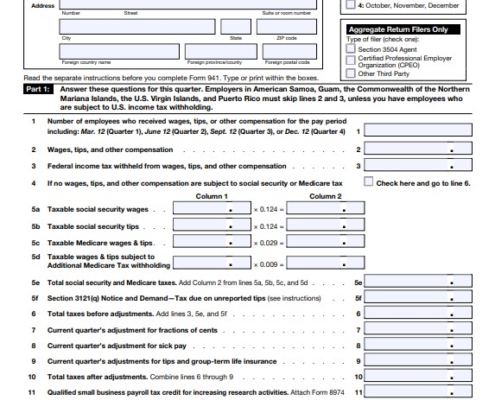
- Tax Form Preparation: I make sure the program generates 1099s, W-2s, and employer forms like 940s & 941s inside the free tier because year-end document preparation is important.
- Free Tier Status: I verify that the product provides a truly free plan rather than a time-limited trial. I take note of any restrictions on the number of employees or feature access.
I think about what makes each platform unique after I’ve compiled a list of products.
B. Differentiating Elements
This is how I evaluate and contrast various vendors:
Distinctive Features
By enabling employees to retrieve their own pay slips and tax documents without filing requests, an employee self-service platform saves HR time. Additionally, since manually inputting hours prior to each pay run adds needless processes, I search for direct integration or built-in time tracking. If your staff is dispersed, cross-state payroll support is important because some free systems only cover one jurisdiction. When you need to authorize a payroll run far from your workstation, having mobile access for administrators is advantageous.
C. Beyond Features
I keep a close eye on the actual price of “free”. Some suppliers claim to offer a free service but charge for annual tax filing or direct deposit, which quickly throws off the calculations. Since many small businesses require payroll data to be imported into their financial records without tedious exports, interfaces with accounting software like Xero or QuickBooks are particularly important.
I also assess the upgrade path. A team of five today could grow to twenty the following year, and changing payroll providers in the middle of the year causes serious problems with tax filing.
How to Select Free Payroll Software
Remember the following while you go through your own particular software selection process:
- Business Size & Scalability: Select payroll software that can expand with your company and accommodate the size of your existing team. A basic free tool might be sufficient for the time being. It must accommodate additional staff as your company grows. Sophisticated reporting and compliance requirements without experiencing significant expense increases have to be there.
- Features of Compliance: Select software that automatically updates with rates of taxation and rules because payroll laws differ by location. This lowers the danger of noncompliance and prevents fines, particularly if you conduct business in several states or nations. It is essential to have automated tax adjustments and filings.
- Integration Capabilities: Seek out payroll software that integrates with your accounting, time tracking, & HR systems. This is to minimize errors and human data entry. Seamless integration guarantees correct payroll. It imports hours performed, computes overtime, & deducts benefits.
- Security & Data Protection: You ought to select software that complies with data protection regulations. It must have robust encryption & secure logins because payroll data is sensitive. To stop attacks and protect staff data, look for technologies that perform routine security audits.
- Resources and Assistance for Users: Having dependable support is essential, particularly if you don’t have a payroll specialist on staff. To assist in solving problems and remain informed about new capabilities, look for software that has comprehensive instructions, FAQs, instructional videos, & responsive customer support via chat or email.
Selecting the best free payroll software entails figuring out a solution that fits your demands right now and grows with your company. As you expand, a more seamless payroll process is ensured by giving compliance, security, standardized integrations, and support first priority.
Free Payroll Software Trends
Payroll software, including free versions, is always developing to meet expanding customer demands and take advantage of technological advancements. I’ve discovered important trends influencing how companies handle payroll at no charge by examining product announcements, news reports, and release logs. This is what’s evolving:
- Enhanced Automation for Enhanced Efficiency: Automation is still essential, and improvements are being made to cut down on errors and manual input. This demonstrates a dedication to streamlining difficult payroll operations and includes automated tax computations and submissions.
- Improved Employee Self-Service Features: Employees may now access pay stubs, manage benefits, and change personal information digitally thanks to platforms’ growing self-service capabilities. This pattern shows a shift toward employee empowerment and a reduction in the administrative workload for payroll personnel.
- Advanced Security Standards: Payroll software’s security features change along with cyber threats. The necessity of protecting sensitive data is shown by the most recent improvements. There is a greater emphasis on data encryption. There are secure access restrictions & compliance with data protection requirements.
- AI & ML: Personalized recommendations, anomaly detection, and predictive analytics provide immense benefits. Businesses may learn about payroll trends & any problems before they become serious thanks to this innovative feature.
These patterns highlight a major trend toward improving the security, automation, and usability of free payroll software. These developments give HR professionals exposure to technologies that not only simplify payroll procedures but also support more general strategic objectives like raising employee satisfaction and guaranteeing compliance.
Free Payroll Software: What Is It?
Businesses can automate employee payments, tax computations, and payroll reporting at no expense by using free payroll software.
Small firms, HR specialists, and accountants who wish to save time, cut down on errors, and maintain compliance without spending a lot of money on pricey payroll systems usually utilize it.
Free Payroll Software Features
The following essential characteristics should be considered when choosing free payroll software:
- Employee management: Keep all of your employee records in one location for quick access and editing, including contact data, pay scales, and tax information. This keeps everything current and makes you organized.
- Automated payroll computations: Salaries, wages, tax withholdings, & deductions are computed. This tool guarantees that everyone is paid correctly. It saves you from making math mistakes by hand.
- Direct Deposit: Paychecks can be placed directly into employees’ bank accounts through direct deposit processing, which reduces paperwork and makes payday easy for all parties.
- Support for tax filing: Create the forms & reports required to maintain compliance with federal, state, and local payroll tax regulations. Certain technologies even assist you in tracking or timely filing.
- Flexible payment cycles: Weekly, bimonthly, or monthly payments can be customized to suit the demands of your company. This results in higher employee satisfaction.
- Time & attendance tracking: Your payment process becomes accurate and complies with labor laws. It keeps track of employees’ hours of work, overtime, & time off directly in the payroll system.
- Analytics and reporting: Create thorough reports on employee costs, taxes, and payroll expenditures. Having these knowledge points at your disposal enables you to plan ahead and create more intelligent budgets.
- Integration features: You may transfer data between platforms with less difficulty and error by simply connecting the payroll software to traditional accounting, human resources, or time-tracking apps.
Typical AI Features of Free Payroll Software
Many of these systems use AI with features like the following, in addition to the typical free payroll software functions mentioned above:
- Automated document handling: Reduce manual data entry and maintain organization by using AI to read and handle payroll-related paperwork (such as benefit forms or timesheets).
- Automated error correction: Reduce human double-checking and save payroll difficulties. It does this by using AI to identify anomalies or errors in payroll computations.
- Smart compliance tracking: AI-driven solutions track evolving payroll laws. They automatically amend your procedures or notify you of issues that require your attention. All this assists you in avoiding compliance blunders.
- Predictive analytics: It helps you plan ahead & arrive at better staffing decisions. AI examines historical payroll information to predict patterns in labor expenses or overtime.
- Employee self-service bots: Give staff members AI-powered chatbots that can rapidly respond to their payroll inquiries, saving you valuable time and fostering a sense of support.
Free Payroll Software’s Advantages
Free payroll software has a number of important advantages that can boost employee satisfaction, increase accuracy, and streamline processes. Knowing these benefits will help you make decisions, whether you are a small startup trying to control your payroll costs or a developing company trying to streamline your payroll procedures:
- Cost Savings: Businesses can significantly reduce expenses by utilizing free payroll software, which enables more effective use of financial resources.
- Time Efficiency: Payroll can be conducted more quickly and precisely by automating tax withholdings, paycheck generation, and payroll computations. This frees up time for human resources and accounting staff to work on other projects.
- Compliance Guarantee: Free payroll software frequently includes features that assist companies in adhering to federal, state, & local tax laws. They lower the possibility of expensive fines & legal problems.
- Employee Access: An employee self-service portal improves transparency and lowers HR questions. It enables employees to examine their pay stubs, tax records, and PTO accounts,
- Accuracy & Reliability: Payroll is made more accurate and dependable by automated computations and time tracking system integrations. It reduces errors and the need for adjustments.
You may take advantage of these systems and give your staff a better experience by choosing a solution that matches the unique requirements of your company. This calculated action helps your business’s bottom line while also fostering a happier and more engaged workforce.
Payroll Software Costs and Prices
To meet the various demands of organizations, from small businesses to major corporations, payroll providers usually offer a variety of options.
It’s essential to remember that although there are free plans, their functionality, features, and user count will be restricted. As an alternative, several platforms provide free trials so you can test the program before agreeing to a subscription plan.
You can make an informed choice that fits your company’s goals and budget by being aware of these plans’ pricing and structure.
The size of your company, the complexity of your payroll, and the particular services you desire must all be carefully considered when selecting a plan. Remember that while more expensive plans have more features, the optimal option for your company strikes a balance between price and the elements that are most important to your payroll procedures.
FAQs
1. What restrictions should I anticipate when using free payroll software?
Free payroll software typically only provides minimal reporting. It limits the number of employees or subcontractors you can pay. It can also restrict the frequency of pay runs. You’ll typically miss out on comprehensive customer service, strong integrations with HR or accounting software, & automated tax filing. Certain platforms have advertisements or push upgrades to access essential functionality. Before committing, go over the specifics and determine whether these trade-offs are beneficial for your company.
2. Can my company’s tax filings & compliance be handled by free payroll software?
No, the majority of free payroll software does not guarantee compliance or offer completely automated tax filing. Pay stubs and other tax forms may be generated by basic tools, but you’ll probably have to handle your own federal, state, & local filings.
Verify the correctness of any year-end tax records, such as W-2s or 1099s that the software generates. You’ll probably require a paid supplier for complete payroll tax processing and compliance.
3. Is it secure to utilize free payroll software for confidential employee information?
Yes, a lot of trustworthy free payroll systems include safe login procedures and employ industry-accepted data encryption. Not all free solutions adhere to stringent security or compliance standards.
Give consideration to user permissions on the platform, review each provider’s security statement, & look for third-party checks or certifications. Select a security-focused tool for extremely sensitive data. This is important even if it requires paying for additional peace of mind.
4. How can I pick the top free payroll program for my small company?
Your primary needs—number of employees, frequency of payroll, necessary tax filings, and current software integrations—should be taken into consideration while selecting the finest payroll software. To assess dependability and assistance, read real user feedback. Try free samples or demos to determine whether the software is easy to use. Look for any upgrade prompts or hidden costs. Choose a tool that can expand with your company while still matching its current size.
5. Can I use free payroll software to handle contractor and freelancer payments?
While some free payroll programs handle solely regular employees, others allow you to issue 1099s and pay contractors. Check whether the platform creates the appropriate tax forms at year-end and differentiates across worker categories before making a decision. Payroll software that monitors contractor payments and simplifies reporting for simpler compliance should be given top priority if you employ a large number of independent contractors.
6. Why is payroll software available for free?
Free plans, sometimes known as freemium plans, are offered by payroll providers in an effort to draw in new clients or later upsell premium capabilities. Free versions sometimes accommodate smaller teams or restricted functionality. Software may occasionally be free since it is ad-supported or because the business offers other services like tax filing or HR support. Always evaluate whether essential features need to be upgraded and what support is available for the free version.
You might be able to manage by utilizing a free version of payroll software if you’re a small or startup business owner. Utilizing it in conjunction with a complimentary employee scheduling program could also help you match scheduled and worked hours. Better customer service and more sophisticated features are always available with pricier plans, though.
7. Do more costly payroll providers give superior features?
True, paid payroll systems usually provide more than just employee compensation. Automatic filing of taxes, compliance tracking, direct transfer, accounting tool integrations, and priority customer assistance are all possible benefits of a subscription plan. These extras can lower risk and save time for expanding companies or those with specific requirements. However, free versions might be sufficient until you require scaling up if you’re operating a small business with basic requirements.
You might wish to think about the following advanced features:
- Integrated time-tracking: This helpful feature eliminates the need for you to manually import data from a different time-tracking platform into the payroll software you use by linking your employees’ work hours straight into your payroll modules.
- Compensation management: To make sure you’re paying your employees at fair market value, more sophisticated payroll systems provide capabilities to check employee salaries against market benchmarks.
- Advanced reporting and analytics: Fundamental payroll systems ought to come with some sort of standard payroll reports, but because you’re spending money for a system, you should be able to tailor these reports to your specific requirements rather than relying on pre-made templates that are unchangeable.
- Earned wage access: It is a sophisticated payroll feature that enables employers to provide workers access to a part of their earned wages prior to their next formal payday. It is often backed up with earned wage access software. It’s a contemporary solution that can assist staff in handling unforeseen cash flow circumstances. Additionally, it has been demonstrated to improve employee happiness and retention while lowering stress brought on by financial difficulties.
Not every payroll software is made equal, as my review demonstrates. You must first have a clear understanding of your requirements to select the ideal payroll solution for your business.
Choosing the appropriate free payroll software will help you stay compliant, cut down on expensive mistakes, and save hours of manual effort without further taxing your finances. The solutions in this article can help you streamline and simplify your payroll process, whether you’re moving away from spreadsheets or a cumbersome program.