Introduction
It can be expensive and time-consuming to open a bar in California. Similar to starting a new restaurant, you must obtain numerous permissions and licenses, a comprehensive business plan, and approval from multiple government organizations. The steps required to start a bar in California are described in this guide.
1. Make a plan for your business
In essence, opening a bar means launching a small business. The kind of bar you wish to create will determine your location and operational expenses. A sports bar will probably cost more than a local pub. You must draft a thorough business plan before investing time and funds to operate a bar. This strategy may include:
- Your general idea
- The intended market
- Operating expenses
- Start-up expenses
- Potential earnings
You may avoid unforeseen costs and open the bar sooner with careful preparation and research. However, the expense of starting a bar might vary significantly based on the kind of environment you want. A modest neighborhood pub’s launch expenditures might be between $150,000 and $250,000, whereas a huge nightclub might require several million dollars. When creating a budget, include an additional 20% for startup expenses.
The period of time you are going to spend creating, running, and being productive at the bar should also be taken into account. New business owners ought to have a clear idea of what their job schedules would be like when they initially start out. Owning a business often entails putting in long hours, handling disruptive or disgruntled clients, & monitoring every aspect of the enterprise. Due to the fact that many bars remain open until one or two in the morning, the bar business in particular has unique working hours.
Within 6 months of opening, competitive bars can begin to turn a profit. Between three and five years after starting, owners and investors might be able to recoup their initial investments.
Prospective bar owners need to think about how the business is evolving. Some people no longer drink alcohol as much due to increased understanding of fitness and health. If you want to attract more clients, think about expanding your assortment because people who still consume alcohol may have more specific tastes.
You should also think of a name for the bar during this phase. Limit your options by thinking of some names that you prefer. Keep a few queries in mind as you weigh your options.
- In what ways will this name draw clients?
- In what way does this name align with my desired concept?
- What expectations will the name set for consumers?
Determining what will draw people to your establishment is the most crucial part of a bar’s overall business plan.
Know the Expenses of Starting a Bar
You may ask how to open a bar and what the expenses involved are. Based on the area, layout, and size of the business, starting a bar in California can be very expensive. Typical initial expenses could consist of:
- Property purchase or Rent: It should be between $2k and $15k per month, or a sizable down payment should be made before purchasing a house.
- Build-out and renovations: $50k to $500k, depending on the desired décor and the state of the room.
- Liquor license: The cost of a liquor license can range from $3,000 to more than $400k. It depends on the type of license & market demand.
- Furnishings and equipment: $40k to $200k for sound systems, tables, bar chairs, glassware, & refrigerators.
- Initial stock: $5k to $25k for food, mixers, & alcohol.
- Insurance coverage: $5k to $15k each year.
- Marketing/advertising: $2k to $10k.
- Consulting fees: Fees for lawyers, accountants, and consultants. It can be between $5k & $20k.
Budgeting for contingency reserves is important. Experts advise allocating an additional 20–30% for unforeseen costs. You may ask how to open a bar once you’ve finalized your budget.
2. Establish a Business Entity
There are four primary kinds of business formations:
- Corporation
- Partnership
- Limited liability company
- Sole proprietorship
There are many tax ramifications, expenses, liabilities, and formalities associated with every kind of business formation.
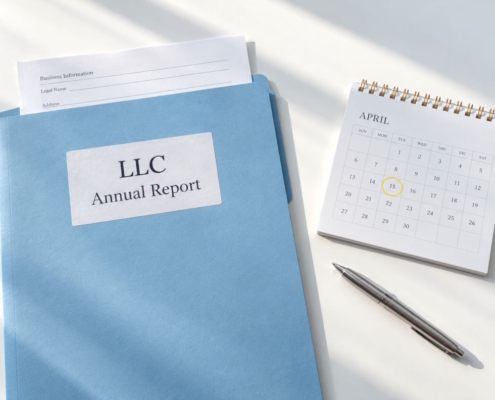
The most common option for small business owners is to establish an LLC (Limited Liability Company). Establishing your newly opened bar as a limited liability company will safeguard you as the owner because owning a restaurant exposes you to a variety of responsibilities. Your own assets are not at stake in the event of a lawsuit; only the establishment’s assets are. A board of directors and shareholder meetings are not necessary for LLCs, in contrast to corporations, and income may be distributed in any manner.
Additionally, businesses are eligible for tax advantages that are not available to individuals. Employee credits and sales tax credits for business equipment expenditures are examples of tax benefits.
3. Secure a Place
Your bar’s spot will determine its clientele and pricing, so make sure it complements your concept. Check with the department of city planning or another government body in your area to find out if they permit bars in the place you have in mind. Zoning rules may restrict where you can open a bar. Take into account elements like parking, safety, & customer accessibility. You might wish to research the site’s past. It is important to find out what was there previously and why it failed.
Consider how many customers you can accommodate at the bar at once. This fact will be significantly influenced by the space’s size. A smaller area would be ideal for a neighborhood pub. However, a nightclub needs enough space for a dance stage, many bars, and seating areas. The answer to how to open a bar depends on your location and business model.
Explore the area around the possible bar location at various times of the night and day. The family neighborhood might not be ideal for a successful bar if you observe a lot of mothers pushing strollers through during the day. However, the area might be a terrific place if you see groups of coworkers going to a place for happy hour.
It’s not necessary to restrict your location to an area that was formerly a bar. You can alter an abandoned warehouse to match the theme of your bar if you find its aesthetic appealing.
You have to reach an agreement on a lease after locating a place. You should speak with a lawyer or realtor who can analyze documentation, offer options, and provide assistance because this step can be challenging. For instance, rather than a typical set-term lease, you will most likely want a movable lease with choices to extend & contingencies regarding obtaining licenses. You may get the best possible lease for the bar by working with a knowledgeable attorney.
You may collaborate with professional contractors, subcontractors, engineers, & architects. It can be important if you intend to renovate an existing building. You may assist in avoiding hazardous situations that could put your clients & employees in legal hot water. You ought to understand how to open a bar in compliance with local laws.
Examine Zoning & Location-Specific Elements
Check the zoning laws for the area. Local governments can impose restrictions on the locations of bars. Important factors include:
- Close to residential neighborhoods, schools, or places of worship (restrictions could apply).
- Accessibility and parking requirements.
- Are new liquor permits available in the region? Do they need to be obtained from a current license holder?
Analyze local competition and foot traffic trends. Although they may have larger revenue potential, high-traffic recreation districts usually have higher initial expenses.
4. Obtain Funding
Depending on the kind of facility you want to build, startup expenses for bars can vary, but a new bar will require substantial funds. If you’re having trouble getting funding, you might want to think about purchasing an already-owned bar. You can save money on the initial fees. You should speak with a lawyer to make sure you’re making the right decision. Examine previous financial data and look into the reason the bar is on sale.
You will require a lot more seed capital if you are opening a bar from the ground up. Rent, a safety deposit, property upgrades and renovations, licensing and permit fees, initial alcohol supplies, utilities, regular payroll, legal fees, insurance, and additional funds for marketing around the bar’s official opening are all costs associated with starting a bar.
Your own assets, contributions from family and friends, a bank loan, a credit line, or a business partner are all viable sources of finance for your bar. Your new bar might be eligible for a government initiative that supports small businesses.
5. Submit an application for a permit
The United States Department of the Treasury requires registration for all companies that sell alcoholic beverages. Before opening, you must file a TTB D 5630.5d Alcohol Dealer Registration; if you decide to stop operating, you must do so again. Applications submitted online typically take two months to process, while those submitted by mail often take three months.
Recognize the Secondary Market and California Liquor License Quotas
Each county in California is only allowed to issue a certain number of retail liquor licenses. You might have to buy a license on the secondary market from a previous holder in places where the limit has been reached. The price of these licenses varies according to supply and demand. Licenses can fetch thousands of dollars in places like Los Angeles and San Francisco.
Additionally, it’s critical to comprehend the several ABC license categories.
- Type 40: Just beer.
- Type 41: Wine and beer (for dining establishments).
- Type 47: Restaurant full liquor license.
- Type 48: Bars full liquor license.
Department of Alcoholic Beverage Control provides more information. You will get details on local quota status and current license alternatives.
6. Get an Alcohol License
Liquor licenses are managed by the Department of Alcoholic Beverage Control. You can apply for a license for all alcoholic beverages or just wine & beer. A “42” license is required for beer and wine, while a “48” license is required for wine, beer, & distilled spirits. For the other licenses, food must account for at least half of your earnings.
A minimum of three months will pass before the license is granted. Following your application, a notice informing the general population that you are planning on serving alcohol on the property will be posted at your site. The general public will have thirty days in which to voice any concerns over your intentions. The department will start a background inquiry on the individuals indicated on the form, your company’s location, and the enterprise as a whole, if there are no serious objections.
Another option is to look for liquor licenses for sale from people who have already completed the process; however, you might have to pay exorbitant fees for these permits. For instance, in San Francisco, purchasing a license from a different license holder might be your only option because the city does not issue new licenses. Since a beer and wine license is simpler to obtain than a complete liquor license, some bar owners begin by obtaining one. It could be simpler to upgrade your license after one year in business.
Find out if providing alcohol necessitates a separate application from your county or city by contacting the local authorities.
Alcohol Server Training Requirements
RBS (Responsible Beverage Service) training and certification are mandated by California law for every alcohol server and their management. This rule is a component of the Alcoholic Beverage Control’s initiative to lessen the negative effects of alcohol.
Important information includes:
- Every server needs to complete RBS certification from a provider certified by the state.
- After being hired, certification has to be acquired within 60 days.
- Penalties may be imposed on both the company and the employee for noncompliance.
Your budget for staffing & compliance should take RBS certification expenses into account.
7. Acquire Additional Permits and Licenses
Several licenses and permits are needed to operate a bar:
- Business license: In some cities, business owners must obtain licenses from local authorities.
- Tax identification number: In order to obtain a Federal Employer Identification Number, business owners have to register with both the federal government and the state of California.
- Health Permit: The sale of food products requires a health permit. You would probably need to obtain a health permit from the environmental health department of your county.
- Food Safety Certification: According to California law, any establishment that serves food must have at least one owner or employee who has passed the state-mandated Food Safety Certification exam.
- A permit for food handlers: If the establishment serves food, a permit is required for every employee who handles food. A “food handler” is a person who prepares, serves, or stores food while working in a facility. The National Restaurant Association’s ServSafe website contains guidelines and commonly asked questions for acquiring this authorization. Employers are required by California law to keep records attesting to the validity of each worker’s food handler permit. The permit must be obtained within 30 days for new hires.
- Workers’ compensation insurance: Employers are required by California law to possess workers’ compensation insurance. Any agent or broker allowed to issue standard insurance coverage in California is able to sell you this insurance. The California Department of Insurance website also contains a list of approved insurers.
8. Take into Account Particular Permits, Licenses, Insurance Types, and Other Items
- Sign license: The signs you put up outside a restaurant may be restricted by your local government. The signage must not break any regulations. You should consult your property owner and government representatives before putting it up.
- Music license: You must obtain a music license from a minimum of one of the main music licensing organizations, such as ASCAP (American Society of Composers, Authors, & Publishers) or BMI (Broadcast Music Inc.), if you are planning on playing music in a bar. You might be required to pay royalties to both associations if you play any song at random from their extensive musical catalog.
These businesses can charge high annual fees, but you risk being held accountable for copyright infringement if you don’t have a valid music license. In 2011, a dining establishment that neglected to obtain a music license & disregarded BMI’s requests for annual fees was forced to pay BMI almost $30,000 in penalties and $10,000 in court costs.
- Commercial liability insurance: For your small-scale company, you should think about purchasing commercial liability insurance. This insurance will shield your company from monetary losses resulting from litigation brought by clients, staff, or other parties. But in California, this insurance isn’t compulsory.
- Renovations: When you are remodeling a structure, you should show your building plans to the fire and building inspection departments in your community to ensure that they adhere to the rules pertaining to accessibility and public safety.
- Business permits: To find out exactly what type of company permits you need to run your bar, you can search the CalGold website by the city and county where it will eventually be located. Each agency’s contact details are also available on the website. Select a restaurant as your type of business.
- Get subscriptions to magazines: Periodicals like Nightclub & Bar Magazine or Bar & Beverage Business Magazine can provide you with advice. It is about how to manage a successful bar. You will get ideas for drinks, themes, strategies, and tech that can streamline operations.
- Visit trade shows: The Nightclub & Bar exhibition is held annually in a new city. It is the most well-known trade exhibition in the sector. Attending this event will help you network with fellow bar owners and staff, since thousands of people attend the event, which has hundreds of different booths. Cities across the nation also host smaller performances.
9. Employ Personnel
The success of your bar’s opening might be aided by hiring the correct staff. You could wish to hire bartenders, managers, wait staff, dishwashers, cooks, & servers. It depends on the kind of bar. Verify credentials at the door to maintain adequate security on the property. You should hire enough guards. Selling alcohol to a child can result in severe fines and penalties, so be sure that your security staff carefully examines IDs to prevent access and service to minors.
You might wish to think about how you will manage ordering and money before recruiting employees. At the conclusion of the evening, several bars let patrons open tabs & pay for their drinks. The cash-and-carry method is available at several neighborhood-type bars. The waiter accepts a spoken order & the server adds to it to receive payment. Bartenders might not have enough time to complete every order.
10. Get Ready to Open the Doors
You can start creating the alcohol products and serving consumers after taking care of all the formalities. When buying alcohol, allocate about 40 percent of purchases to liquor, 5 percent to wine, 45 percent to beer, & 10 percent to mixers.
Establish a website, open social media accounts & advertise in magazines. Serve special discounts for your grand opening and other happy hours to help your new business.
Have clients share the address with family & friends. Successful bars typically have a lot of word-of-mouth promotion. You can also get involved by volunteering for charitable events or neighborhood events to promote your bar. Add some special features to make your bar more appealing to the intended clientele. A sports bar with a big screen, a fancy bar in a luxurious martini bar, or pool tables & dart boards in a local pub are some of the ideas.
Try having promotional nights on weeknights to increase sales at the bar, as the busiest nights of the week are Saturday night and Friday night. A few ways to get customers to come to your bar are to play live music, change your appetizers’ prices to 50 percent off, have bar trivia, and run seasonal promotions.
Remember, when your customers leave your bar after having excessive amounts of alcohol, you can be liable for their actions as “alcohol suppliers”. Some bars offer incentives to their designated drivers, such as free soda. Serve sensibly, and best of luck!