
Steps To Buying A House
First, set a budget for buying a house. Second, you’ll work with a mortgage broker or direct lender like a bank to get preapproved for a mortgage.

By Douglas Wade, Attorney
Email | Call (800) 484-4610
Buying your first home can be difficult, there are many necessary steps that you may not be aware of, and mistakes are costly. However, as a first homebuyer, you also have access to some advantages to encourage people to get on the property ladder. In this article, we will demystify the home buying process and what you need to have in place before you buy.
What Advantages Do First-Time Homebuyers Receive?
There are a number of advantages and programs for first-time homebuyers to encourage more people to take the step of homeownership. They can often secure tax breaks, federally-backed loans for the deposit, and a number of state programs. To be considered as a first-time homebuyer, you must meet any of the following requirements:
- A single parent whose previous home was jointly owned while married to their former spouse.
- Any individual who has not owned a principal residence for three years. If you owned a home previously and married your spouse who has not, you can buy together as first-time buyers.
- A displaced homemaker whose previous property was owned jointly with their former spouse.
- Someone who owned a property that was not compliant with local, state, or model building codes. The property must be impossible to bring into compliance for any less than the cost of constructing a new building.
- Someone who previously owned a principal residence but it was not permanently affixed to permanent foundations as required by regulations.

Things to Consider Before You Buy
Before you buy your first home, you should consider how home ownership fits in with your short and long-term goals. What does home ownership mean to you, and what do you hope to achieve by owning your own home?
How Is Your Financial Help?
Audit your finances before you even start looking at properties. You need to know if you have the funds for the deposit, can get approved for a mortgage, and have the finances for furnishing the home and maintaining payments.
Look at your savings. Ensure you have an emergency fund that covers six months to a year of living expenses. This will help you ensure you can pay your mortgage if you lose your job or suffer an unexpected cost. Also, evaluate if you have put aside enough for the deposit, closing costs, and any renovations or furnishing.
The challenge is keeping your savings liquid enough to access when you find your home, but still receives a return that keeps pace with inflation. If you have one to three years before you will buy a home, then consider a CD (certificate of deposit.) These keep pace with inflation, but you may be penalized for withdrawing the money early. If you think it will be less than a year until you buy your home, then keep the money liquid in a high-interest savings account.
Create a budget and track spending. Know where your money goes and where you might be able to cut back. This will not only help you save more money, but have a realistic picture of the mortgage you can afford.
Do a credit check. Before you start viewing homes, you need to know your credit score. Your credit score will affect the mortgage rate you receive. If you check it in advance, then you have time to improve your credit score before you apply for loans or a mortgage.
What Type of Property Suits Your Needs?
There are numerous residential property options and the right one for you will depend on your needs, budget, and homeownership goals. If you choose a fixer-upper, you may save money initially, but you will have to spend time and money, turning it into your dream home.
What Features Are Important to You?
While it is important to be flexible in your dream home criteria, you should also purchase a house that you enjoy living in. Make a list of features you want in your home and divide them into priorities and bonuses.
How Much Mortgage Can You Borrow?
The amount of mortgage you can borrow is a key factor in determining your property budget. Before you even start looking for a property, visit a lender to get a quote on how much you can borrow. The mortgage provider will look at factors like current debt, length of service at your job, and monthly income to calculate a realistic mortgage figure.
You can also get preapproval for a loan, and many sellers will not accept an offer that doesn’t have mortgage preapproval. Shop around before you do this and find the best interest rates and terms.
What Can You Afford?
Regardless of the mortgage you qualify for; you should look realistically at what you can afford. You don’t want most of your income to go towards mortgage pages or buy a home that is expensive to maintain. Consider the property taxes, homeowner insurance, and mortgage repayments. Also, factor in renovation costs and moving costs.
Who Do You Trust to Assist You With the Purchase?
Finding a real estate agent can be tough; it is important to find someone you can trust and who has the expertise to guide you through the complex purchase process. Your realtor will also help you to find a property that meets your needs. If there are problems after buying a house, you can hire a real estate attorney for assistance.

Steps to Buying A House
You’ve done the planning, and you’re ready to start looking for a house. Here is the basic buying process and what you should expect.
1. Find Your Dream Home
There are a number of different ways you can find homes:
- Seeking advice from a real estate agent
- Searching property listings online
- Exploring your desired neighborhoods and looking for For Sale signs.
- Asking your contacts
Once you have found some properties you like, take them to a real estate agent. You should not deal directly with a selling agent and should always have a real estate agent before you visit a property.
When looking for a home, it is important to look at the potential a property has. Remember the important features and don’t be afraid to make minor changes to the property. You may hate the kitchen cabinets but can paint them and add new handles to make them more to your taste. Think about what you can easily change and what you can’t. Things like size, location, and outdoor space cannot be changed, but the décor can. As a first homebuyer, making small changes that add value to the property will increase the equity in the property that you can trade-in when you’re ready to buy a new home.
2. Secure Financing
As a first-time homebuyer, you have a range of financing options available, including federally-backed loans. Consider these options:
- HUD’s resource list details government-backed loans available to first-time homebuyers and which organizations to contact for the grants.
- A first-time homebuyer can withdraw money from traditional and Roth IRAs without penalty if it is going towards their first home. You can withdraw $10,000 without penalty, meaning a couple can access $20,000 to use towards their home. However, you do still have to pay income taxes and will have to repay the money within a timeframe.
- Most states offer financial assistance for first-time homebuyers and will pay portions of closing costs, renovations, down payments, etc.
- If you are a Native American, you are eligible for a Section 184 loan as a first-time homebuyer of a single-family home that will be a primary residence.
It is important to shop around rather than just getting a quote from your bank or financial institution. Interest rates, fees, and even loan conditions can vary significantly by financial institution.
Qualify for loans with two lenders just in case. Financial institutions will often change their policies, or the market will shift, and you will no longer qualify for a loan. By having a backup, you can keep the process on track.
3. Making an Offer
You have found a home you love and want to purchase it. Talk to your real estate agent about how much you want to offer for the property. They will present the offer to the seller’s agent who will talk to the seller. The seller will either accept the offer or present a counter offer. Offers are a negotiation that will end in one of two results: buying a house or one party ending negotiations.
Take another look at your budget before you submit an offer and factor in closing costs and initial expenses for the property such as moving, furnishing, and repairs. You can request utility bill amounts from the owner so you can factor in the costs of living in the property.
Once you and the seller agree on an offer, you will make a deposit and start escrow. During escrow, the seller takes the house off the market, and you have agreed to purchase the property subject to a successful inspection.
4. Home Inspection
You must have the home inspected before you close. This is the only way to find out about underlying issues to the home and foresee any issues that may arise in the first few years of homeownership. If the inspector uncovers serious issues with the property that the seller’s agent did not disclose, then you can rescind your offer and retrieve your deposit. It is possible to negotiate with the seller to discount the selling price or to make repairs to the property before you close.
5. Close
If there are no significant issues with the inspection, or you have worked out a satisfactory deal with the seller, then it is time to close. Closing involves a lot of paperwork which is completed as quickly as possible to ensure that nothing falls through. During this process, you need to:
- Conduct a home appraisal for your mortgage
- Do a title search to ensure the property is the seller’s to sell
- Obtaining mortgage insurance if your down payment is below 20%
- Complete mortgage paperwork
Closing fees include fees for the above as well as taxes, surveys, credit reports, title insurance, and loan origination fees.
You Are Now a Home Owner
Congratulations, you have successfully bought your first home! There will still be regular costs involved with owning a home.
Continue to Save
Owning a home means that you are the one responsible for fixing anything that breaks. Create an emergency fund specifically for your home. This will help to cover any unexpected costs such as fixing a hot water heater or the roof.
Conduct Regular Maintenance
By doing regular maintenance, you will prevent problems from becoming big issues. It also allows you to keep your property in the best possible condition.
Ignore the Housing Market
Many home buyers can become obsessive with their property value, but the property value doesn’t matter until you are ready to sell. When you are considering selling, check the market value of your property so you can put your property on the market at the most profitable time.
Do Not Rely on Your Home to Fund Your Retirement
You should still contribute regularly to your retirement fund. Many people consider their home their retirement fund, but the property market is volatile, and you cannot guarantee that your house price will be favorable when the time comes for retirement. By continuing to make contributions to your retirement fund, you can maximize your options at retirement.
In Conclusion
This article is intended as a guide for people preparing to purchase their first home. Consider it as a starting point and seek expert advice for up to date information. By preparing in advance, you will have a successful and less stressful homebuying experience. Good luck and happy house hunting!
Have a quick question? We answered nearly 2000 FAQs.
See all blogs: Business | Corporate | Employment
Most recent blogs:
 https://california-business-lawyer-corporate-lawyer.com/wp-content/uploads/2026/09/What-is-an-equity-partner-at-a-law-firm.jpg
786
1057
claudiap
http://california-business-lawyer-corporate-lawyer.com/wp-content/uploads/2022/05/Nakase-Wade-logo-transparent-200x54px.png
claudiap2026-09-16 03:06:032026-09-16 03:06:05What is an Equity Partner at a Law Firm and How Much Does an Equity Partner Make?
https://california-business-lawyer-corporate-lawyer.com/wp-content/uploads/2026/09/What-is-an-equity-partner-at-a-law-firm.jpg
786
1057
claudiap
http://california-business-lawyer-corporate-lawyer.com/wp-content/uploads/2022/05/Nakase-Wade-logo-transparent-200x54px.png
claudiap2026-09-16 03:06:032026-09-16 03:06:05What is an Equity Partner at a Law Firm and How Much Does an Equity Partner Make? https://california-business-lawyer-corporate-lawyer.com/wp-content/uploads/2026/09/What-Is-Equitable-Estoppel-in-California.jpg
792
1071
shawna
http://california-business-lawyer-corporate-lawyer.com/wp-content/uploads/2022/05/Nakase-Wade-logo-transparent-200x54px.png
shawna2026-09-16 02:27:132026-09-16 02:27:15What Is Equitable Estoppel in California?
https://california-business-lawyer-corporate-lawyer.com/wp-content/uploads/2026/09/What-Is-Equitable-Estoppel-in-California.jpg
792
1071
shawna
http://california-business-lawyer-corporate-lawyer.com/wp-content/uploads/2022/05/Nakase-Wade-logo-transparent-200x54px.png
shawna2026-09-16 02:27:132026-09-16 02:27:15What Is Equitable Estoppel in California?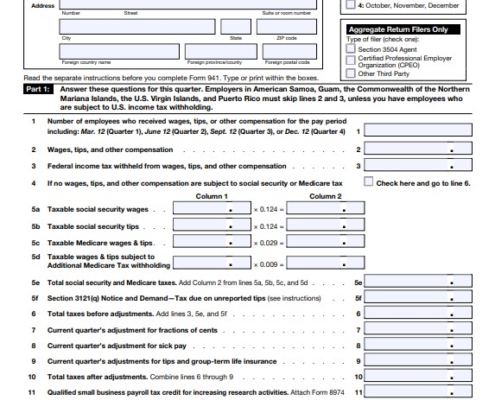 https://california-business-lawyer-corporate-lawyer.com/wp-content/uploads/2026/09/Form-941-New.jpg
742
573
shawna
http://california-business-lawyer-corporate-lawyer.com/wp-content/uploads/2022/05/Nakase-Wade-logo-transparent-200x54px.png
shawna2026-09-16 02:23:242026-09-16 02:24:05What Is Form 941? Filing Requirements, Deadlines, and Instructions
https://california-business-lawyer-corporate-lawyer.com/wp-content/uploads/2026/09/Form-941-New.jpg
742
573
shawna
http://california-business-lawyer-corporate-lawyer.com/wp-content/uploads/2022/05/Nakase-Wade-logo-transparent-200x54px.png
shawna2026-09-16 02:23:242026-09-16 02:24:05What Is Form 941? Filing Requirements, Deadlines, and Instructions https://california-business-lawyer-corporate-lawyer.com/wp-content/uploads/2026/09/What-Is-an-Annual-Report-for-an-LLC.jpg
792
1054
shawna
http://california-business-lawyer-corporate-lawyer.com/wp-content/uploads/2022/05/Nakase-Wade-logo-transparent-200x54px.png
shawna2026-09-16 02:15:342026-09-16 02:15:35What Is an Annual Report for an LLC?
https://california-business-lawyer-corporate-lawyer.com/wp-content/uploads/2026/09/What-Is-an-Annual-Report-for-an-LLC.jpg
792
1054
shawna
http://california-business-lawyer-corporate-lawyer.com/wp-content/uploads/2022/05/Nakase-Wade-logo-transparent-200x54px.png
shawna2026-09-16 02:15:342026-09-16 02:15:35What Is an Annual Report for an LLC? https://california-business-lawyer-corporate-lawyer.com/wp-content/uploads/2026/09/What-Is-a-Competitor-Company-Business-Definition-and-Examples.jpg
801
1062
shawna
http://california-business-lawyer-corporate-lawyer.com/wp-content/uploads/2022/05/Nakase-Wade-logo-transparent-200x54px.png
shawna2026-09-16 02:11:592026-09-16 02:12:01What Is a Competitor Company? Business Definition and Examples
https://california-business-lawyer-corporate-lawyer.com/wp-content/uploads/2026/09/What-Is-a-Competitor-Company-Business-Definition-and-Examples.jpg
801
1062
shawna
http://california-business-lawyer-corporate-lawyer.com/wp-content/uploads/2022/05/Nakase-Wade-logo-transparent-200x54px.png
shawna2026-09-16 02:11:592026-09-16 02:12:01What Is a Competitor Company? Business Definition and Examples https://california-business-lawyer-corporate-lawyer.com/wp-content/uploads/2026/08/Best-Free-Payroll-Software-for-Small-Businesses-and-Startups-in-2026.jpg
791
1199
Amit
http://california-business-lawyer-corporate-lawyer.com/wp-content/uploads/2022/05/Nakase-Wade-logo-transparent-200x54px.png
Amit2026-08-31 11:38:042026-08-31 11:38:27Best Free Payroll Software for Small Businesses and Startups in 2026
https://california-business-lawyer-corporate-lawyer.com/wp-content/uploads/2026/08/Best-Free-Payroll-Software-for-Small-Businesses-and-Startups-in-2026.jpg
791
1199
Amit
http://california-business-lawyer-corporate-lawyer.com/wp-content/uploads/2022/05/Nakase-Wade-logo-transparent-200x54px.png
Amit2026-08-31 11:38:042026-08-31 11:38:27Best Free Payroll Software for Small Businesses and Startups in 2026 https://california-business-lawyer-corporate-lawyer.com/wp-content/uploads/2026/08/How-To-Start-A-Restaurant.jpg
792
1163
shawna
http://california-business-lawyer-corporate-lawyer.com/wp-content/uploads/2022/05/Nakase-Wade-logo-transparent-200x54px.png
shawna2026-08-31 11:07:032026-08-31 11:10:16How to Open a Restaurant in 2026
https://california-business-lawyer-corporate-lawyer.com/wp-content/uploads/2026/08/How-To-Start-A-Restaurant.jpg
792
1163
shawna
http://california-business-lawyer-corporate-lawyer.com/wp-content/uploads/2022/05/Nakase-Wade-logo-transparent-200x54px.png
shawna2026-08-31 11:07:032026-08-31 11:10:16How to Open a Restaurant in 2026 https://california-business-lawyer-corporate-lawyer.com/wp-content/uploads/2026/08/Average-Small-Business-Revenue.jpg
786
1194
Nakase
http://california-business-lawyer-corporate-lawyer.com/wp-content/uploads/2022/05/Nakase-Wade-logo-transparent-200x54px.png
Nakase2026-08-31 09:57:062026-08-31 09:57:07Average Small Business Revenue and Owner Income
https://california-business-lawyer-corporate-lawyer.com/wp-content/uploads/2026/08/Average-Small-Business-Revenue.jpg
786
1194
Nakase
http://california-business-lawyer-corporate-lawyer.com/wp-content/uploads/2022/05/Nakase-Wade-logo-transparent-200x54px.png
Nakase2026-08-31 09:57:062026-08-31 09:57:07Average Small Business Revenue and Owner Income https://california-business-lawyer-corporate-lawyer.com/wp-content/uploads/2026/08/How-to-Start-a-Digital-Marketing-Agency.jpg
779
1062
Amit
http://california-business-lawyer-corporate-lawyer.com/wp-content/uploads/2022/05/Nakase-Wade-logo-transparent-200x54px.png
Amit2026-08-13 03:21:522026-08-13 03:21:53How to Start a Digital Marketing Agency in 2026
https://california-business-lawyer-corporate-lawyer.com/wp-content/uploads/2026/08/How-to-Start-a-Digital-Marketing-Agency.jpg
779
1062
Amit
http://california-business-lawyer-corporate-lawyer.com/wp-content/uploads/2022/05/Nakase-Wade-logo-transparent-200x54px.png
Amit2026-08-13 03:21:522026-08-13 03:21:53How to Start a Digital Marketing Agency in 2026 https://california-business-lawyer-corporate-lawyer.com/wp-content/uploads/2026/08/How-To-Setup-A-Virtual-Business-Address-For-LLC.jpg
786
1418
shawna
http://california-business-lawyer-corporate-lawyer.com/wp-content/uploads/2022/05/Nakase-Wade-logo-transparent-200x54px.png
shawna2026-08-13 02:28:242026-08-13 02:28:25How To Set Up A Virtual Business Address For LLC
https://california-business-lawyer-corporate-lawyer.com/wp-content/uploads/2026/08/How-To-Setup-A-Virtual-Business-Address-For-LLC.jpg
786
1418
shawna
http://california-business-lawyer-corporate-lawyer.com/wp-content/uploads/2022/05/Nakase-Wade-logo-transparent-200x54px.png
shawna2026-08-13 02:28:242026-08-13 02:28:25How To Set Up A Virtual Business Address For LLC https://california-business-lawyer-corporate-lawyer.com/wp-content/uploads/2026/08/What-is-a-Promissory-Note.jpg
778
1055
Nakase
http://california-business-lawyer-corporate-lawyer.com/wp-content/uploads/2022/05/Nakase-Wade-logo-transparent-200x54px.png
Nakase2026-08-13 02:23:222026-08-13 02:23:23What Is a Promissory Note? How It Works for a Personal Loan
https://california-business-lawyer-corporate-lawyer.com/wp-content/uploads/2026/08/What-is-a-Promissory-Note.jpg
778
1055
Nakase
http://california-business-lawyer-corporate-lawyer.com/wp-content/uploads/2022/05/Nakase-Wade-logo-transparent-200x54px.png
Nakase2026-08-13 02:23:222026-08-13 02:23:23What Is a Promissory Note? How It Works for a Personal Loan https://california-business-lawyer-corporate-lawyer.com/wp-content/uploads/2026/07/How-To-Find-My-EIN-Number.jpg
797
1050
Nakase
http://california-business-lawyer-corporate-lawyer.com/wp-content/uploads/2022/05/Nakase-Wade-logo-transparent-200x54px.png
Nakase2026-07-31 13:22:542026-07-31 13:22:55How To Find Your Business EIN Number
https://california-business-lawyer-corporate-lawyer.com/wp-content/uploads/2026/07/How-To-Find-My-EIN-Number.jpg
797
1050
Nakase
http://california-business-lawyer-corporate-lawyer.com/wp-content/uploads/2022/05/Nakase-Wade-logo-transparent-200x54px.png
Nakase2026-07-31 13:22:542026-07-31 13:22:55How To Find Your Business EIN Number https://california-business-lawyer-corporate-lawyer.com/wp-content/uploads/2026/07/Business-Acumen-Definition-Importance-and-Ways-to-Develop-It.jpg
798
1052
Nakase
http://california-business-lawyer-corporate-lawyer.com/wp-content/uploads/2022/05/Nakase-Wade-logo-transparent-200x54px.png
Nakase2026-07-31 13:17:192026-07-31 13:17:20Business Acumen: Definition, Importance, and Ways to Develop It
https://california-business-lawyer-corporate-lawyer.com/wp-content/uploads/2026/07/Business-Acumen-Definition-Importance-and-Ways-to-Develop-It.jpg
798
1052
Nakase
http://california-business-lawyer-corporate-lawyer.com/wp-content/uploads/2022/05/Nakase-Wade-logo-transparent-200x54px.png
Nakase2026-07-31 13:17:192026-07-31 13:17:20Business Acumen: Definition, Importance, and Ways to Develop It https://california-business-lawyer-corporate-lawyer.com/wp-content/uploads/2026/07/How-to-Open-a-Bar-Starting-a-Bar-Business.jpg
795
1056
Amit
http://california-business-lawyer-corporate-lawyer.com/wp-content/uploads/2022/05/Nakase-Wade-logo-transparent-200x54px.png
Amit2026-07-31 12:58:572026-07-31 12:58:59How to Open a Bar: Starting a Bar Business
https://california-business-lawyer-corporate-lawyer.com/wp-content/uploads/2026/07/How-to-Open-a-Bar-Starting-a-Bar-Business.jpg
795
1056
Amit
http://california-business-lawyer-corporate-lawyer.com/wp-content/uploads/2022/05/Nakase-Wade-logo-transparent-200x54px.png
Amit2026-07-31 12:58:572026-07-31 12:58:59How to Open a Bar: Starting a Bar Business https://california-business-lawyer-corporate-lawyer.com/wp-content/uploads/2026/07/What-Do-Corporate-Lawyers-Do.jpg
792
1059
shawna
http://california-business-lawyer-corporate-lawyer.com/wp-content/uploads/2022/05/Nakase-Wade-logo-transparent-200x54px.png
shawna2026-07-31 12:48:362026-07-31 12:48:37What Do Corporate Lawyers Do?
https://california-business-lawyer-corporate-lawyer.com/wp-content/uploads/2026/07/What-Do-Corporate-Lawyers-Do.jpg
792
1059
shawna
http://california-business-lawyer-corporate-lawyer.com/wp-content/uploads/2022/05/Nakase-Wade-logo-transparent-200x54px.png
shawna2026-07-31 12:48:362026-07-31 12:48:37What Do Corporate Lawyers Do? https://california-business-lawyer-corporate-lawyer.com/wp-content/uploads/2026/07/What-is-a-Mechanics-Lien-Key-Facts-and-Legal-Implications.jpg
790
1184
Amit
http://california-business-lawyer-corporate-lawyer.com/wp-content/uploads/2022/05/Nakase-Wade-logo-transparent-200x54px.png
Amit2026-07-11 06:22:032026-07-11 06:22:04What is a Mechanic’s Lien? Key Facts and Legal Implications
https://california-business-lawyer-corporate-lawyer.com/wp-content/uploads/2026/07/What-is-a-Mechanics-Lien-Key-Facts-and-Legal-Implications.jpg
790
1184
Amit
http://california-business-lawyer-corporate-lawyer.com/wp-content/uploads/2022/05/Nakase-Wade-logo-transparent-200x54px.png
Amit2026-07-11 06:22:032026-07-11 06:22:04What is a Mechanic’s Lien? Key Facts and Legal Implications https://california-business-lawyer-corporate-lawyer.com/wp-content/uploads/2026/07/When-are-S-Corp-Shareholders-Entitled-to-Shareholder-Distributions.jpg
788
1049
shawna
http://california-business-lawyer-corporate-lawyer.com/wp-content/uploads/2022/05/Nakase-Wade-logo-transparent-200x54px.png
shawna2026-07-11 06:11:382026-07-11 06:11:39When are S-Corp Shareholders Entitled to Shareholder Distributions?
https://california-business-lawyer-corporate-lawyer.com/wp-content/uploads/2026/07/When-are-S-Corp-Shareholders-Entitled-to-Shareholder-Distributions.jpg
788
1049
shawna
http://california-business-lawyer-corporate-lawyer.com/wp-content/uploads/2022/05/Nakase-Wade-logo-transparent-200x54px.png
shawna2026-07-11 06:11:382026-07-11 06:11:39When are S-Corp Shareholders Entitled to Shareholder Distributions? https://california-business-lawyer-corporate-lawyer.com/wp-content/uploads/2026/07/How-to-Start-a-Taxi-Business-in-2026.jpg
780
1391
claudiap
http://california-business-lawyer-corporate-lawyer.com/wp-content/uploads/2022/05/Nakase-Wade-logo-transparent-200x54px.png
claudiap2026-07-09 08:34:102026-07-09 08:34:18How to Start a Taxi Business in 2026
https://california-business-lawyer-corporate-lawyer.com/wp-content/uploads/2026/07/How-to-Start-a-Taxi-Business-in-2026.jpg
780
1391
claudiap
http://california-business-lawyer-corporate-lawyer.com/wp-content/uploads/2022/05/Nakase-Wade-logo-transparent-200x54px.png
claudiap2026-07-09 08:34:102026-07-09 08:34:18How to Start a Taxi Business in 2026 https://california-business-lawyer-corporate-lawyer.com/wp-content/uploads/2026/07/What-is-a-Business-Partnership-Meaning-and-Types.jpg
779
1412
shawna
http://california-business-lawyer-corporate-lawyer.com/wp-content/uploads/2022/05/Nakase-Wade-logo-transparent-200x54px.png
shawna2026-07-09 08:17:532026-07-09 08:17:55What is a Business Partnership: Meaning and Types?
https://california-business-lawyer-corporate-lawyer.com/wp-content/uploads/2026/07/What-is-a-Business-Partnership-Meaning-and-Types.jpg
779
1412
shawna
http://california-business-lawyer-corporate-lawyer.com/wp-content/uploads/2022/05/Nakase-Wade-logo-transparent-200x54px.png
shawna2026-07-09 08:17:532026-07-09 08:17:55What is a Business Partnership: Meaning and Types? https://california-business-lawyer-corporate-lawyer.com/wp-content/uploads/2026/07/What-Is-Gross-Profit-and-How-Is-It-Calculated-in-Financial-Statements.jpg
787
1189
Amit
http://california-business-lawyer-corporate-lawyer.com/wp-content/uploads/2022/05/Nakase-Wade-logo-transparent-200x54px.png
Amit2026-07-09 08:12:192026-07-09 08:12:20What Is Gross Profit and How Is It Calculated in Financial Statements?
https://california-business-lawyer-corporate-lawyer.com/wp-content/uploads/2026/07/What-Is-Gross-Profit-and-How-Is-It-Calculated-in-Financial-Statements.jpg
787
1189
Amit
http://california-business-lawyer-corporate-lawyer.com/wp-content/uploads/2022/05/Nakase-Wade-logo-transparent-200x54px.png
Amit2026-07-09 08:12:192026-07-09 08:12:20What Is Gross Profit and How Is It Calculated in Financial Statements? https://california-business-lawyer-corporate-lawyer.com/wp-content/uploads/2026/07/What-Is-Indemnity-and-How-Does-It-Apply-to-Insurance-Contracts.jpg
800
1055
Amit
http://california-business-lawyer-corporate-lawyer.com/wp-content/uploads/2022/05/Nakase-Wade-logo-transparent-200x54px.png
Amit2026-07-02 08:09:272026-07-02 08:09:29What Is Indemnity and How Does It Apply to Insurance Contracts?
https://california-business-lawyer-corporate-lawyer.com/wp-content/uploads/2026/07/What-Is-Indemnity-and-How-Does-It-Apply-to-Insurance-Contracts.jpg
800
1055
Amit
http://california-business-lawyer-corporate-lawyer.com/wp-content/uploads/2022/05/Nakase-Wade-logo-transparent-200x54px.png
Amit2026-07-02 08:09:272026-07-02 08:09:29What Is Indemnity and How Does It Apply to Insurance Contracts? https://california-business-lawyer-corporate-lawyer.com/wp-content/uploads/2026/07/Best-Self-Employment-Jobs-and-Ideas.jpg
786
1182
Amit
http://california-business-lawyer-corporate-lawyer.com/wp-content/uploads/2022/05/Nakase-Wade-logo-transparent-200x54px.png
Amit2026-07-02 08:00:232026-07-02 08:00:2452 Best Self-Employment Jobs and Business Ideas
https://california-business-lawyer-corporate-lawyer.com/wp-content/uploads/2026/07/Best-Self-Employment-Jobs-and-Ideas.jpg
786
1182
Amit
http://california-business-lawyer-corporate-lawyer.com/wp-content/uploads/2022/05/Nakase-Wade-logo-transparent-200x54px.png
Amit2026-07-02 08:00:232026-07-02 08:00:2452 Best Self-Employment Jobs and Business Ideas https://california-business-lawyer-corporate-lawyer.com/wp-content/uploads/2026/07/Steps-on-How-to-Start-a-Small-Restaurant.jpg
786
1417
Amit
http://california-business-lawyer-corporate-lawyer.com/wp-content/uploads/2022/05/Nakase-Wade-logo-transparent-200x54px.png
Amit2026-07-02 07:36:452026-07-02 07:36:468 Steps on How to Start a Small Restaurant
https://california-business-lawyer-corporate-lawyer.com/wp-content/uploads/2026/07/Steps-on-How-to-Start-a-Small-Restaurant.jpg
786
1417
Amit
http://california-business-lawyer-corporate-lawyer.com/wp-content/uploads/2022/05/Nakase-Wade-logo-transparent-200x54px.png
Amit2026-07-02 07:36:452026-07-02 07:36:468 Steps on How to Start a Small Restaurant https://california-business-lawyer-corporate-lawyer.com/wp-content/uploads/2026/07/How-to-Pay-Yourself-From-An-LLC.jpg
791
1426
shawna
http://california-business-lawyer-corporate-lawyer.com/wp-content/uploads/2022/05/Nakase-Wade-logo-transparent-200x54px.png
shawna2026-07-02 06:59:172026-07-02 06:59:18How to Pay Yourself From An LLC?
https://california-business-lawyer-corporate-lawyer.com/wp-content/uploads/2026/07/How-to-Pay-Yourself-From-An-LLC.jpg
791
1426
shawna
http://california-business-lawyer-corporate-lawyer.com/wp-content/uploads/2022/05/Nakase-Wade-logo-transparent-200x54px.png
shawna2026-07-02 06:59:172026-07-02 06:59:18How to Pay Yourself From An LLC? https://california-business-lawyer-corporate-lawyer.com/wp-content/uploads/2026/07/Elements-of-Libel-Definitions-Proof-and-Legal-Standards.jpg
783
1055
Amit
http://california-business-lawyer-corporate-lawyer.com/wp-content/uploads/2022/05/Nakase-Wade-logo-transparent-200x54px.png
Amit2026-07-02 06:52:572026-07-02 06:52:58Elements of Libel: Definitions, Proof, and Legal Standards
https://california-business-lawyer-corporate-lawyer.com/wp-content/uploads/2026/07/Elements-of-Libel-Definitions-Proof-and-Legal-Standards.jpg
783
1055
Amit
http://california-business-lawyer-corporate-lawyer.com/wp-content/uploads/2022/05/Nakase-Wade-logo-transparent-200x54px.png
Amit2026-07-02 06:52:572026-07-02 06:52:58Elements of Libel: Definitions, Proof, and Legal Standards https://california-business-lawyer-corporate-lawyer.com/wp-content/uploads/2026/07/How-to-Pay-Myself-as-a-Sole-Proprietor.jpg
792
1414
Nakase
http://california-business-lawyer-corporate-lawyer.com/wp-content/uploads/2022/05/Nakase-Wade-logo-transparent-200x54px.png
Nakase2026-07-01 12:25:332026-07-01 12:25:34How to Pay Yourself as a Sole Proprietor?
https://california-business-lawyer-corporate-lawyer.com/wp-content/uploads/2026/07/How-to-Pay-Myself-as-a-Sole-Proprietor.jpg
792
1414
Nakase
http://california-business-lawyer-corporate-lawyer.com/wp-content/uploads/2022/05/Nakase-Wade-logo-transparent-200x54px.png
Nakase2026-07-01 12:25:332026-07-01 12:25:34How to Pay Yourself as a Sole Proprietor? https://california-business-lawyer-corporate-lawyer.com/wp-content/uploads/2026/06/How-to-Start-an-Import-Export-Business-From-Home.jpg
788
1416
claudiap
http://california-business-lawyer-corporate-lawyer.com/wp-content/uploads/2022/05/Nakase-Wade-logo-transparent-200x54px.png
claudiap2026-07-01 12:07:432026-07-01 12:07:44How to Start an Import Export Business from Home?
https://california-business-lawyer-corporate-lawyer.com/wp-content/uploads/2026/06/How-to-Start-an-Import-Export-Business-From-Home.jpg
788
1416
claudiap
http://california-business-lawyer-corporate-lawyer.com/wp-content/uploads/2022/05/Nakase-Wade-logo-transparent-200x54px.png
claudiap2026-07-01 12:07:432026-07-01 12:07:44How to Start an Import Export Business from Home? https://california-business-lawyer-corporate-lawyer.com/wp-content/uploads/2026/06/How-to-Calculate-Employee-Turnover-Rate.jpg
791
1059
shawna
http://california-business-lawyer-corporate-lawyer.com/wp-content/uploads/2022/05/Nakase-Wade-logo-transparent-200x54px.png
shawna2026-07-01 11:30:532026-07-01 11:30:55How to Calculate Employee Turnover Rate?
https://california-business-lawyer-corporate-lawyer.com/wp-content/uploads/2026/06/How-to-Calculate-Employee-Turnover-Rate.jpg
791
1059
shawna
http://california-business-lawyer-corporate-lawyer.com/wp-content/uploads/2022/05/Nakase-Wade-logo-transparent-200x54px.png
shawna2026-07-01 11:30:532026-07-01 11:30:55How to Calculate Employee Turnover Rate? https://california-business-lawyer-corporate-lawyer.com/wp-content/uploads/2026/05/What-Does-Caveat-Emptor-Mean.jpg
782
1413
Nakase
http://california-business-lawyer-corporate-lawyer.com/wp-content/uploads/2022/05/Nakase-Wade-logo-transparent-200x54px.png
Nakase2026-07-01 11:23:272026-07-01 11:23:28What Does “Caveat Emptor” Mean? Definition and Buyer Beware Rule
https://california-business-lawyer-corporate-lawyer.com/wp-content/uploads/2026/05/What-Does-Caveat-Emptor-Mean.jpg
782
1413
Nakase
http://california-business-lawyer-corporate-lawyer.com/wp-content/uploads/2022/05/Nakase-Wade-logo-transparent-200x54px.png
Nakase2026-07-01 11:23:272026-07-01 11:23:28What Does “Caveat Emptor” Mean? Definition and Buyer Beware Rule https://california-business-lawyer-corporate-lawyer.com/wp-content/uploads/2026/06/How-to-Prove-a-Verbal-Agreement-in-Court.jpg
793
1050
Amit
http://california-business-lawyer-corporate-lawyer.com/wp-content/uploads/2022/05/Nakase-Wade-logo-transparent-200x54px.png
Amit2026-07-01 10:59:192026-07-01 10:59:20How to Prove a Verbal Agreement in Court?
https://california-business-lawyer-corporate-lawyer.com/wp-content/uploads/2026/06/How-to-Prove-a-Verbal-Agreement-in-Court.jpg
793
1050
Amit
http://california-business-lawyer-corporate-lawyer.com/wp-content/uploads/2022/05/Nakase-Wade-logo-transparent-200x54px.png
Amit2026-07-01 10:59:192026-07-01 10:59:20How to Prove a Verbal Agreement in Court?