
How to Sell Yourself.
Knowing how to sell yourself is a significant step in building your career. In marketing, selling yourself requires preparation, eye contact and speaking confidently.

Author: Douglas Wade, Attorney
Email | Call (800) 484-4610
The secret art of selling yourself is knowing that people don’t buy what you do; they buy why you do it. The best way to sell yourself is to tell a story. Marketing a business is directly linked to dealing with the business owner. However, many entrepreneurs have excellent business ideas but are not used to selling themselves. In reality, selling the business and oneself is a real challenge for many new business owners.
For small business owners, there is even less separation between the individual and the business. For example, some customers view small businesses as synonymous with the owner. However, for many clients, the business is the person, and vice-versa.
Harvard business school has a class on how to sell yourself and shows that there is a direct connection between a small business’ public persona and the individual at the heart of it. Based on this connection, small business owners must know how to sell themselves eloquently and effectively.
In this article, our attorney will discuss how to sell yourself as follows:

The following are skills to learn when selling yourself.
-
Embrace Self-Confidence
When you sell yourself, confidence shows clients, customers, and other business owners that the individual believes in their company. Maintaining a self-assured disposition in all business dealings is integral, especially when just starting. Confidence shows clients, customers, and other business owners that the individual believes in their company.
Some new business owners struggle with confidence, especially with more established company heads. Starting a new business from scratch and taking on all the responsibility for its success is stressful, and stress can quickly deteriorate confidence. It is easy for people to say “belief in yourself,” but not as easy to embrace self-belief and focus.
However, it might help to know that many entrepreneurs and small business owners who exude confidence are faking it when selling yourself. Of course, many company owners also experience stress and self-doubt, but they play the role they know they must. So, without being too cocky and overbearing, work on being confident. New business owners will be surprised by where it leads them.
-
Practice Determination
Confidence and determination often go hand-in-hand when you sell yourself, and self-assured business owners should also work on their persistence. Starting and owning a small business is a process that seldom proceeds in a straight line. Instead, the business will experience a period of growth and periods of stagnation. Then, doors will open and push the company in new directions and opportunities that remain open.
The business world is competitive, and when one business owner seeks an opportunity, hundreds of other entrepreneurs are also seeking that chance. From customers to media attention, all small business owners compete for the same opportunities, and it is often the most determined, persistent people who make it through to the end.
Effective small business owners find a balance between persistence and annoyance. They continue to knock on doors, send an email, organize meetings and target new customers and clients. When one approach falls flat, they reorganize and try another angle. Above all, they continue to connect with prospective clients, suppliers, and other business owners. Intelligent small business owners know that even when customers are not ready to engage, they may return. They also know that though the competition is fierce, they can learn from their rivals.
-
Be the Most Interesting Person in the Room
Business owners who appear fascinating to others earn are better at selling themselves. However, not all small business owners consider themselves interesting, and some may consider themselves introverts.
However, we all have intriguing qualities that make us unique individuals. Let those qualities shine when meeting associates, clients, and customers when selling youself. Small business owners who can stand out in a conference room are often rewarded with calls and offers the next day.
Business owners must be able to sell their businesses and explain why the company and its goods are unique services. Therefore, business owners must also be able to sell themselves at the drop of a hat. Entrepreneurs who struggle with being “interesting” should list their standout qualities and figure out ways to advertise them.
While no one wants to be the person in the room bragging about their extreme skiing talents, scuba diving, or the fact that they speak six languages, interesting people make more connections and sales. So, individuals should find their unique essence and promote it along with the business.
-
Offer Answers
To sell yourself requires providing answers to your customers. Many companies promise solutions that appear magical or impossible and do not deliver. From detergents that get out the hardest stains to apps that help us learn new languages in hours, our business world is full of false promises. These unrealistic remedies make people skeptical of quick solutions. However, all prospective clients and customers are searching for answers, and if business owners can offer real solutions, they will be on the right track.
Additionally, the best small business owners go beyond offering solutions. Savvy business owners seriously consider the customer’s problem and offer free advice regarding a possible fix. However, the business owner references their products or services within the answer. For example, let’s say a customer visits a new auto shop for advice on a funny sound their car is making. The new car mechanic may advise the prospective client to change the tires and then offer the client a tire change plus a car inspection and tune-up for a valuable deal. When this happens, the client has an answer, and the mechanic has the opportunity to prove the viability of their new small business.
New entrepreneurs should be determined, persistent and interesting when selling yourself, but they also must be able to fix customers’ problems quickly and reliably.
-
Avoid Generalities
Avoid generalities and inflated phrases when you sell yourself, but customers build trust based on experience and word-of-mouth. It is one thing for new business owners to describe themselves as “problem-solvers” or “detail-oriented,” but it is quite another for them to show their talents in specific instances.
Therefore, instead of offering statements to customers such as “100% risk-free” and “satisfaction guaranteed,” provide specific examples of the work you have completed in the past. Additionally, encourage past customers to take and share surveys and write reviews. Online reviews, for example, often provide prospective customers with important, specific information regarding the business.
Emphasize specifics instead of generalities, and the new business will be off to a strong start, and customers will share the news.
-
Focus on Effective Gestures
To sell yourself requires effective communication by gestures. Of course, humans communicate some things verbally, but we also talk to each other through gestures. For example, confident people stare directly into the eyes of others, while less confident people avoid eye contact. Likewise, we’ve all heard that a firm handshake works wonders during business deals, and that is because a handshake conveys self-assurance and respect. Our business litigation lawyer in Los Angeles often uses hand gestures to communicate with juries during trial.
Gestures and non-verbal behaviors can help show everyone else that the entrepreneurs believe in their ideas and the business venture itself. Sitting up straight, avoiding speaking with one’s hands, and possessing good posture; all of these are important qualities.
-
Embrace Optimism
Having a positive outlook is one of the most important aspects of learning to sell yourself. New business owners whose products and attitudes convey positivity can sell themselves more effectively. No one wants to spend time with someone always complaining and looking at the negative side of things. So instead, most of us are searching for more happiness and positivity.
Therefore, whatever the product or service is, entrepreneurs should link their business to positive vibes and thoughts. They can do this by personifying positivity in all of their interactions.
Successful people typically embody positivity and optimism. Their confidence buoys them, and even if they fail, they find a way to look forward to their next chance with a bright outlook. Individuals also want to be around positive people, and when people enjoy speaking with new business owners, they are more apt to make a purchase. Lastly, optimism and trust go hand in hand, and trust is essential for business owners to establish with their clients.
-
Be Well Rounded
New entrepreneurs come in all sizes and shapes, and new business owners emerge daily, selling all different products and services. Some of these new ventures build success and continue to grow; some fail.
Business owners are aware of their faults and always strive to improve to have a better chance of making it. When you combine resilience, positivity, confidence, and problem-solving, you will know how to sell yourself.
Learn more about: Business | Corporate | Employment
 https://california-business-lawyer-corporate-lawyer.com/wp-content/uploads/2026/09/What-is-an-equity-partner-at-a-law-firm.jpg
786
1057
claudiap
http://california-business-lawyer-corporate-lawyer.com/wp-content/uploads/2022/05/Nakase-Wade-logo-transparent-200x54px.png
claudiap2026-09-16 03:06:032026-09-16 03:06:05What is an Equity Partner at a Law Firm and How Much Does an Equity Partner Make?
https://california-business-lawyer-corporate-lawyer.com/wp-content/uploads/2026/09/What-is-an-equity-partner-at-a-law-firm.jpg
786
1057
claudiap
http://california-business-lawyer-corporate-lawyer.com/wp-content/uploads/2022/05/Nakase-Wade-logo-transparent-200x54px.png
claudiap2026-09-16 03:06:032026-09-16 03:06:05What is an Equity Partner at a Law Firm and How Much Does an Equity Partner Make? https://california-business-lawyer-corporate-lawyer.com/wp-content/uploads/2026/09/What-Is-Equitable-Estoppel-in-California.jpg
792
1071
shawna
http://california-business-lawyer-corporate-lawyer.com/wp-content/uploads/2022/05/Nakase-Wade-logo-transparent-200x54px.png
shawna2026-09-16 02:27:132026-09-16 02:27:15What Is Equitable Estoppel in California?
https://california-business-lawyer-corporate-lawyer.com/wp-content/uploads/2026/09/What-Is-Equitable-Estoppel-in-California.jpg
792
1071
shawna
http://california-business-lawyer-corporate-lawyer.com/wp-content/uploads/2022/05/Nakase-Wade-logo-transparent-200x54px.png
shawna2026-09-16 02:27:132026-09-16 02:27:15What Is Equitable Estoppel in California?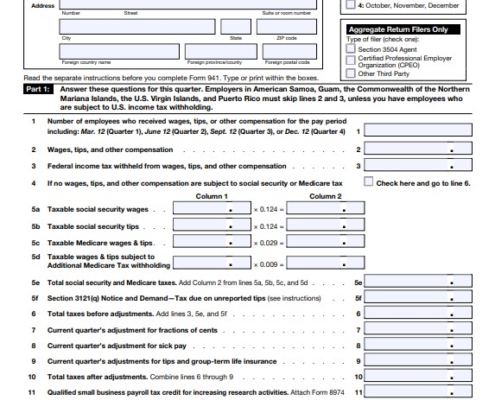 https://california-business-lawyer-corporate-lawyer.com/wp-content/uploads/2026/09/Form-941-New.jpg
742
573
shawna
http://california-business-lawyer-corporate-lawyer.com/wp-content/uploads/2022/05/Nakase-Wade-logo-transparent-200x54px.png
shawna2026-09-16 02:23:242026-09-16 02:24:05What Is Form 941? Filing Requirements, Deadlines, and Instructions
https://california-business-lawyer-corporate-lawyer.com/wp-content/uploads/2026/09/Form-941-New.jpg
742
573
shawna
http://california-business-lawyer-corporate-lawyer.com/wp-content/uploads/2022/05/Nakase-Wade-logo-transparent-200x54px.png
shawna2026-09-16 02:23:242026-09-16 02:24:05What Is Form 941? Filing Requirements, Deadlines, and Instructions https://california-business-lawyer-corporate-lawyer.com/wp-content/uploads/2026/09/What-Is-an-Annual-Report-for-an-LLC.jpg
792
1054
shawna
http://california-business-lawyer-corporate-lawyer.com/wp-content/uploads/2022/05/Nakase-Wade-logo-transparent-200x54px.png
shawna2026-09-16 02:15:342026-09-16 02:15:35What Is an Annual Report for an LLC?
https://california-business-lawyer-corporate-lawyer.com/wp-content/uploads/2026/09/What-Is-an-Annual-Report-for-an-LLC.jpg
792
1054
shawna
http://california-business-lawyer-corporate-lawyer.com/wp-content/uploads/2022/05/Nakase-Wade-logo-transparent-200x54px.png
shawna2026-09-16 02:15:342026-09-16 02:15:35What Is an Annual Report for an LLC? https://california-business-lawyer-corporate-lawyer.com/wp-content/uploads/2026/09/What-Is-a-Competitor-Company-Business-Definition-and-Examples.jpg
801
1062
shawna
http://california-business-lawyer-corporate-lawyer.com/wp-content/uploads/2022/05/Nakase-Wade-logo-transparent-200x54px.png
shawna2026-09-16 02:11:592026-09-16 02:12:01What Is a Competitor Company? Business Definition and Examples
https://california-business-lawyer-corporate-lawyer.com/wp-content/uploads/2026/09/What-Is-a-Competitor-Company-Business-Definition-and-Examples.jpg
801
1062
shawna
http://california-business-lawyer-corporate-lawyer.com/wp-content/uploads/2022/05/Nakase-Wade-logo-transparent-200x54px.png
shawna2026-09-16 02:11:592026-09-16 02:12:01What Is a Competitor Company? Business Definition and Examples https://california-business-lawyer-corporate-lawyer.com/wp-content/uploads/2026/08/Best-Free-Payroll-Software-for-Small-Businesses-and-Startups-in-2026.jpg
791
1199
Amit
http://california-business-lawyer-corporate-lawyer.com/wp-content/uploads/2022/05/Nakase-Wade-logo-transparent-200x54px.png
Amit2026-08-31 11:38:042026-08-31 11:38:27Best Free Payroll Software for Small Businesses and Startups in 2026
https://california-business-lawyer-corporate-lawyer.com/wp-content/uploads/2026/08/Best-Free-Payroll-Software-for-Small-Businesses-and-Startups-in-2026.jpg
791
1199
Amit
http://california-business-lawyer-corporate-lawyer.com/wp-content/uploads/2022/05/Nakase-Wade-logo-transparent-200x54px.png
Amit2026-08-31 11:38:042026-08-31 11:38:27Best Free Payroll Software for Small Businesses and Startups in 2026 https://california-business-lawyer-corporate-lawyer.com/wp-content/uploads/2026/08/How-To-Start-A-Restaurant.jpg
792
1163
shawna
http://california-business-lawyer-corporate-lawyer.com/wp-content/uploads/2022/05/Nakase-Wade-logo-transparent-200x54px.png
shawna2026-08-31 11:07:032026-08-31 11:10:16How to Open a Restaurant in 2026
https://california-business-lawyer-corporate-lawyer.com/wp-content/uploads/2026/08/How-To-Start-A-Restaurant.jpg
792
1163
shawna
http://california-business-lawyer-corporate-lawyer.com/wp-content/uploads/2022/05/Nakase-Wade-logo-transparent-200x54px.png
shawna2026-08-31 11:07:032026-08-31 11:10:16How to Open a Restaurant in 2026 https://california-business-lawyer-corporate-lawyer.com/wp-content/uploads/2026/08/Average-Small-Business-Revenue.jpg
786
1194
Nakase
http://california-business-lawyer-corporate-lawyer.com/wp-content/uploads/2022/05/Nakase-Wade-logo-transparent-200x54px.png
Nakase2026-08-31 09:57:062026-08-31 09:57:07Average Small Business Revenue and Owner Income
https://california-business-lawyer-corporate-lawyer.com/wp-content/uploads/2026/08/Average-Small-Business-Revenue.jpg
786
1194
Nakase
http://california-business-lawyer-corporate-lawyer.com/wp-content/uploads/2022/05/Nakase-Wade-logo-transparent-200x54px.png
Nakase2026-08-31 09:57:062026-08-31 09:57:07Average Small Business Revenue and Owner Income https://california-business-lawyer-corporate-lawyer.com/wp-content/uploads/2026/08/How-to-Start-a-Digital-Marketing-Agency.jpg
779
1062
Amit
http://california-business-lawyer-corporate-lawyer.com/wp-content/uploads/2022/05/Nakase-Wade-logo-transparent-200x54px.png
Amit2026-08-13 03:21:522026-08-13 03:21:53How to Start a Digital Marketing Agency in 2026
https://california-business-lawyer-corporate-lawyer.com/wp-content/uploads/2026/08/How-to-Start-a-Digital-Marketing-Agency.jpg
779
1062
Amit
http://california-business-lawyer-corporate-lawyer.com/wp-content/uploads/2022/05/Nakase-Wade-logo-transparent-200x54px.png
Amit2026-08-13 03:21:522026-08-13 03:21:53How to Start a Digital Marketing Agency in 2026 https://california-business-lawyer-corporate-lawyer.com/wp-content/uploads/2026/08/How-To-Setup-A-Virtual-Business-Address-For-LLC.jpg
786
1418
shawna
http://california-business-lawyer-corporate-lawyer.com/wp-content/uploads/2022/05/Nakase-Wade-logo-transparent-200x54px.png
shawna2026-08-13 02:28:242026-08-13 02:28:25How To Set Up A Virtual Business Address For LLC
https://california-business-lawyer-corporate-lawyer.com/wp-content/uploads/2026/08/How-To-Setup-A-Virtual-Business-Address-For-LLC.jpg
786
1418
shawna
http://california-business-lawyer-corporate-lawyer.com/wp-content/uploads/2022/05/Nakase-Wade-logo-transparent-200x54px.png
shawna2026-08-13 02:28:242026-08-13 02:28:25How To Set Up A Virtual Business Address For LLC https://california-business-lawyer-corporate-lawyer.com/wp-content/uploads/2026/08/What-is-a-Promissory-Note.jpg
778
1055
Nakase
http://california-business-lawyer-corporate-lawyer.com/wp-content/uploads/2022/05/Nakase-Wade-logo-transparent-200x54px.png
Nakase2026-08-13 02:23:222026-08-13 02:23:23What Is a Promissory Note? How It Works for a Personal Loan
https://california-business-lawyer-corporate-lawyer.com/wp-content/uploads/2026/08/What-is-a-Promissory-Note.jpg
778
1055
Nakase
http://california-business-lawyer-corporate-lawyer.com/wp-content/uploads/2022/05/Nakase-Wade-logo-transparent-200x54px.png
Nakase2026-08-13 02:23:222026-08-13 02:23:23What Is a Promissory Note? How It Works for a Personal Loan https://california-business-lawyer-corporate-lawyer.com/wp-content/uploads/2026/07/How-To-Find-My-EIN-Number.jpg
797
1050
Nakase
http://california-business-lawyer-corporate-lawyer.com/wp-content/uploads/2022/05/Nakase-Wade-logo-transparent-200x54px.png
Nakase2026-07-31 13:22:542026-07-31 13:22:55How To Find Your Business EIN Number
https://california-business-lawyer-corporate-lawyer.com/wp-content/uploads/2026/07/How-To-Find-My-EIN-Number.jpg
797
1050
Nakase
http://california-business-lawyer-corporate-lawyer.com/wp-content/uploads/2022/05/Nakase-Wade-logo-transparent-200x54px.png
Nakase2026-07-31 13:22:542026-07-31 13:22:55How To Find Your Business EIN Number https://california-business-lawyer-corporate-lawyer.com/wp-content/uploads/2026/07/Business-Acumen-Definition-Importance-and-Ways-to-Develop-It.jpg
798
1052
Nakase
http://california-business-lawyer-corporate-lawyer.com/wp-content/uploads/2022/05/Nakase-Wade-logo-transparent-200x54px.png
Nakase2026-07-31 13:17:192026-07-31 13:17:20Business Acumen: Definition, Importance, and Ways to Develop It
https://california-business-lawyer-corporate-lawyer.com/wp-content/uploads/2026/07/Business-Acumen-Definition-Importance-and-Ways-to-Develop-It.jpg
798
1052
Nakase
http://california-business-lawyer-corporate-lawyer.com/wp-content/uploads/2022/05/Nakase-Wade-logo-transparent-200x54px.png
Nakase2026-07-31 13:17:192026-07-31 13:17:20Business Acumen: Definition, Importance, and Ways to Develop It https://california-business-lawyer-corporate-lawyer.com/wp-content/uploads/2026/07/How-to-Open-a-Bar-Starting-a-Bar-Business.jpg
795
1056
Amit
http://california-business-lawyer-corporate-lawyer.com/wp-content/uploads/2022/05/Nakase-Wade-logo-transparent-200x54px.png
Amit2026-07-31 12:58:572026-07-31 12:58:59How to Open a Bar: Starting a Bar Business
https://california-business-lawyer-corporate-lawyer.com/wp-content/uploads/2026/07/How-to-Open-a-Bar-Starting-a-Bar-Business.jpg
795
1056
Amit
http://california-business-lawyer-corporate-lawyer.com/wp-content/uploads/2022/05/Nakase-Wade-logo-transparent-200x54px.png
Amit2026-07-31 12:58:572026-07-31 12:58:59How to Open a Bar: Starting a Bar Business https://california-business-lawyer-corporate-lawyer.com/wp-content/uploads/2026/07/What-Do-Corporate-Lawyers-Do.jpg
792
1059
shawna
http://california-business-lawyer-corporate-lawyer.com/wp-content/uploads/2022/05/Nakase-Wade-logo-transparent-200x54px.png
shawna2026-07-31 12:48:362026-07-31 12:48:37What Do Corporate Lawyers Do?
https://california-business-lawyer-corporate-lawyer.com/wp-content/uploads/2026/07/What-Do-Corporate-Lawyers-Do.jpg
792
1059
shawna
http://california-business-lawyer-corporate-lawyer.com/wp-content/uploads/2022/05/Nakase-Wade-logo-transparent-200x54px.png
shawna2026-07-31 12:48:362026-07-31 12:48:37What Do Corporate Lawyers Do? https://california-business-lawyer-corporate-lawyer.com/wp-content/uploads/2026/07/What-is-a-Mechanics-Lien-Key-Facts-and-Legal-Implications.jpg
790
1184
Amit
http://california-business-lawyer-corporate-lawyer.com/wp-content/uploads/2022/05/Nakase-Wade-logo-transparent-200x54px.png
Amit2026-07-11 06:22:032026-07-11 06:22:04What is a Mechanic’s Lien? Key Facts and Legal Implications
https://california-business-lawyer-corporate-lawyer.com/wp-content/uploads/2026/07/What-is-a-Mechanics-Lien-Key-Facts-and-Legal-Implications.jpg
790
1184
Amit
http://california-business-lawyer-corporate-lawyer.com/wp-content/uploads/2022/05/Nakase-Wade-logo-transparent-200x54px.png
Amit2026-07-11 06:22:032026-07-11 06:22:04What is a Mechanic’s Lien? Key Facts and Legal Implications https://california-business-lawyer-corporate-lawyer.com/wp-content/uploads/2026/07/When-are-S-Corp-Shareholders-Entitled-to-Shareholder-Distributions.jpg
788
1049
shawna
http://california-business-lawyer-corporate-lawyer.com/wp-content/uploads/2022/05/Nakase-Wade-logo-transparent-200x54px.png
shawna2026-07-11 06:11:382026-07-11 06:11:39When are S-Corp Shareholders Entitled to Shareholder Distributions?
https://california-business-lawyer-corporate-lawyer.com/wp-content/uploads/2026/07/When-are-S-Corp-Shareholders-Entitled-to-Shareholder-Distributions.jpg
788
1049
shawna
http://california-business-lawyer-corporate-lawyer.com/wp-content/uploads/2022/05/Nakase-Wade-logo-transparent-200x54px.png
shawna2026-07-11 06:11:382026-07-11 06:11:39When are S-Corp Shareholders Entitled to Shareholder Distributions? https://california-business-lawyer-corporate-lawyer.com/wp-content/uploads/2026/07/How-to-Start-a-Taxi-Business-in-2026.jpg
780
1391
claudiap
http://california-business-lawyer-corporate-lawyer.com/wp-content/uploads/2022/05/Nakase-Wade-logo-transparent-200x54px.png
claudiap2026-07-09 08:34:102026-07-09 08:34:18How to Start a Taxi Business in 2026
https://california-business-lawyer-corporate-lawyer.com/wp-content/uploads/2026/07/How-to-Start-a-Taxi-Business-in-2026.jpg
780
1391
claudiap
http://california-business-lawyer-corporate-lawyer.com/wp-content/uploads/2022/05/Nakase-Wade-logo-transparent-200x54px.png
claudiap2026-07-09 08:34:102026-07-09 08:34:18How to Start a Taxi Business in 2026 https://california-business-lawyer-corporate-lawyer.com/wp-content/uploads/2026/07/What-is-a-Business-Partnership-Meaning-and-Types.jpg
779
1412
shawna
http://california-business-lawyer-corporate-lawyer.com/wp-content/uploads/2022/05/Nakase-Wade-logo-transparent-200x54px.png
shawna2026-07-09 08:17:532026-07-09 08:17:55What is a Business Partnership: Meaning and Types?
https://california-business-lawyer-corporate-lawyer.com/wp-content/uploads/2026/07/What-is-a-Business-Partnership-Meaning-and-Types.jpg
779
1412
shawna
http://california-business-lawyer-corporate-lawyer.com/wp-content/uploads/2022/05/Nakase-Wade-logo-transparent-200x54px.png
shawna2026-07-09 08:17:532026-07-09 08:17:55What is a Business Partnership: Meaning and Types? https://california-business-lawyer-corporate-lawyer.com/wp-content/uploads/2026/07/What-Is-Gross-Profit-and-How-Is-It-Calculated-in-Financial-Statements.jpg
787
1189
Amit
http://california-business-lawyer-corporate-lawyer.com/wp-content/uploads/2022/05/Nakase-Wade-logo-transparent-200x54px.png
Amit2026-07-09 08:12:192026-07-09 08:12:20What Is Gross Profit and How Is It Calculated in Financial Statements?
https://california-business-lawyer-corporate-lawyer.com/wp-content/uploads/2026/07/What-Is-Gross-Profit-and-How-Is-It-Calculated-in-Financial-Statements.jpg
787
1189
Amit
http://california-business-lawyer-corporate-lawyer.com/wp-content/uploads/2022/05/Nakase-Wade-logo-transparent-200x54px.png
Amit2026-07-09 08:12:192026-07-09 08:12:20What Is Gross Profit and How Is It Calculated in Financial Statements? https://california-business-lawyer-corporate-lawyer.com/wp-content/uploads/2026/07/What-Is-Indemnity-and-How-Does-It-Apply-to-Insurance-Contracts.jpg
800
1055
Amit
http://california-business-lawyer-corporate-lawyer.com/wp-content/uploads/2022/05/Nakase-Wade-logo-transparent-200x54px.png
Amit2026-07-02 08:09:272026-07-02 08:09:29What Is Indemnity and How Does It Apply to Insurance Contracts?
https://california-business-lawyer-corporate-lawyer.com/wp-content/uploads/2026/07/What-Is-Indemnity-and-How-Does-It-Apply-to-Insurance-Contracts.jpg
800
1055
Amit
http://california-business-lawyer-corporate-lawyer.com/wp-content/uploads/2022/05/Nakase-Wade-logo-transparent-200x54px.png
Amit2026-07-02 08:09:272026-07-02 08:09:29What Is Indemnity and How Does It Apply to Insurance Contracts? https://california-business-lawyer-corporate-lawyer.com/wp-content/uploads/2026/07/Best-Self-Employment-Jobs-and-Ideas.jpg
786
1182
Amit
http://california-business-lawyer-corporate-lawyer.com/wp-content/uploads/2022/05/Nakase-Wade-logo-transparent-200x54px.png
Amit2026-07-02 08:00:232026-07-02 08:00:2452 Best Self-Employment Jobs and Business Ideas
https://california-business-lawyer-corporate-lawyer.com/wp-content/uploads/2026/07/Best-Self-Employment-Jobs-and-Ideas.jpg
786
1182
Amit
http://california-business-lawyer-corporate-lawyer.com/wp-content/uploads/2022/05/Nakase-Wade-logo-transparent-200x54px.png
Amit2026-07-02 08:00:232026-07-02 08:00:2452 Best Self-Employment Jobs and Business Ideas https://california-business-lawyer-corporate-lawyer.com/wp-content/uploads/2026/07/Steps-on-How-to-Start-a-Small-Restaurant.jpg
786
1417
Amit
http://california-business-lawyer-corporate-lawyer.com/wp-content/uploads/2022/05/Nakase-Wade-logo-transparent-200x54px.png
Amit2026-07-02 07:36:452026-07-02 07:36:468 Steps on How to Start a Small Restaurant
https://california-business-lawyer-corporate-lawyer.com/wp-content/uploads/2026/07/Steps-on-How-to-Start-a-Small-Restaurant.jpg
786
1417
Amit
http://california-business-lawyer-corporate-lawyer.com/wp-content/uploads/2022/05/Nakase-Wade-logo-transparent-200x54px.png
Amit2026-07-02 07:36:452026-07-02 07:36:468 Steps on How to Start a Small Restaurant https://california-business-lawyer-corporate-lawyer.com/wp-content/uploads/2026/07/How-to-Pay-Yourself-From-An-LLC.jpg
791
1426
shawna
http://california-business-lawyer-corporate-lawyer.com/wp-content/uploads/2022/05/Nakase-Wade-logo-transparent-200x54px.png
shawna2026-07-02 06:59:172026-07-02 06:59:18How to Pay Yourself From An LLC?
https://california-business-lawyer-corporate-lawyer.com/wp-content/uploads/2026/07/How-to-Pay-Yourself-From-An-LLC.jpg
791
1426
shawna
http://california-business-lawyer-corporate-lawyer.com/wp-content/uploads/2022/05/Nakase-Wade-logo-transparent-200x54px.png
shawna2026-07-02 06:59:172026-07-02 06:59:18How to Pay Yourself From An LLC? https://california-business-lawyer-corporate-lawyer.com/wp-content/uploads/2026/07/Elements-of-Libel-Definitions-Proof-and-Legal-Standards.jpg
783
1055
Amit
http://california-business-lawyer-corporate-lawyer.com/wp-content/uploads/2022/05/Nakase-Wade-logo-transparent-200x54px.png
Amit2026-07-02 06:52:572026-07-02 06:52:58Elements of Libel: Definitions, Proof, and Legal Standards
https://california-business-lawyer-corporate-lawyer.com/wp-content/uploads/2026/07/Elements-of-Libel-Definitions-Proof-and-Legal-Standards.jpg
783
1055
Amit
http://california-business-lawyer-corporate-lawyer.com/wp-content/uploads/2022/05/Nakase-Wade-logo-transparent-200x54px.png
Amit2026-07-02 06:52:572026-07-02 06:52:58Elements of Libel: Definitions, Proof, and Legal Standards https://california-business-lawyer-corporate-lawyer.com/wp-content/uploads/2026/07/How-to-Pay-Myself-as-a-Sole-Proprietor.jpg
792
1414
Nakase
http://california-business-lawyer-corporate-lawyer.com/wp-content/uploads/2022/05/Nakase-Wade-logo-transparent-200x54px.png
Nakase2026-07-01 12:25:332026-07-01 12:25:34How to Pay Yourself as a Sole Proprietor?
https://california-business-lawyer-corporate-lawyer.com/wp-content/uploads/2026/07/How-to-Pay-Myself-as-a-Sole-Proprietor.jpg
792
1414
Nakase
http://california-business-lawyer-corporate-lawyer.com/wp-content/uploads/2022/05/Nakase-Wade-logo-transparent-200x54px.png
Nakase2026-07-01 12:25:332026-07-01 12:25:34How to Pay Yourself as a Sole Proprietor? https://california-business-lawyer-corporate-lawyer.com/wp-content/uploads/2026/06/How-to-Start-an-Import-Export-Business-From-Home.jpg
788
1416
claudiap
http://california-business-lawyer-corporate-lawyer.com/wp-content/uploads/2022/05/Nakase-Wade-logo-transparent-200x54px.png
claudiap2026-07-01 12:07:432026-07-01 12:07:44How to Start an Import Export Business from Home?
https://california-business-lawyer-corporate-lawyer.com/wp-content/uploads/2026/06/How-to-Start-an-Import-Export-Business-From-Home.jpg
788
1416
claudiap
http://california-business-lawyer-corporate-lawyer.com/wp-content/uploads/2022/05/Nakase-Wade-logo-transparent-200x54px.png
claudiap2026-07-01 12:07:432026-07-01 12:07:44How to Start an Import Export Business from Home? https://california-business-lawyer-corporate-lawyer.com/wp-content/uploads/2026/06/How-to-Calculate-Employee-Turnover-Rate.jpg
791
1059
shawna
http://california-business-lawyer-corporate-lawyer.com/wp-content/uploads/2022/05/Nakase-Wade-logo-transparent-200x54px.png
shawna2026-07-01 11:30:532026-07-01 11:30:55How to Calculate Employee Turnover Rate?
https://california-business-lawyer-corporate-lawyer.com/wp-content/uploads/2026/06/How-to-Calculate-Employee-Turnover-Rate.jpg
791
1059
shawna
http://california-business-lawyer-corporate-lawyer.com/wp-content/uploads/2022/05/Nakase-Wade-logo-transparent-200x54px.png
shawna2026-07-01 11:30:532026-07-01 11:30:55How to Calculate Employee Turnover Rate? https://california-business-lawyer-corporate-lawyer.com/wp-content/uploads/2026/05/What-Does-Caveat-Emptor-Mean.jpg
782
1413
Nakase
http://california-business-lawyer-corporate-lawyer.com/wp-content/uploads/2022/05/Nakase-Wade-logo-transparent-200x54px.png
Nakase2026-07-01 11:23:272026-07-01 11:23:28What Does “Caveat Emptor” Mean? Definition and Buyer Beware Rule
https://california-business-lawyer-corporate-lawyer.com/wp-content/uploads/2026/05/What-Does-Caveat-Emptor-Mean.jpg
782
1413
Nakase
http://california-business-lawyer-corporate-lawyer.com/wp-content/uploads/2022/05/Nakase-Wade-logo-transparent-200x54px.png
Nakase2026-07-01 11:23:272026-07-01 11:23:28What Does “Caveat Emptor” Mean? Definition and Buyer Beware Rule https://california-business-lawyer-corporate-lawyer.com/wp-content/uploads/2026/06/How-to-Prove-a-Verbal-Agreement-in-Court.jpg
793
1050
Amit
http://california-business-lawyer-corporate-lawyer.com/wp-content/uploads/2022/05/Nakase-Wade-logo-transparent-200x54px.png
Amit2026-07-01 10:59:192026-07-01 10:59:20How to Prove a Verbal Agreement in Court?
https://california-business-lawyer-corporate-lawyer.com/wp-content/uploads/2026/06/How-to-Prove-a-Verbal-Agreement-in-Court.jpg
793
1050
Amit
http://california-business-lawyer-corporate-lawyer.com/wp-content/uploads/2022/05/Nakase-Wade-logo-transparent-200x54px.png
Amit2026-07-01 10:59:192026-07-01 10:59:20How to Prove a Verbal Agreement in Court?See all articles: Business | Corporate | Employment