Introduction
Tipping in the United States isn’t just a polite gesture; it’s practically woven into the way many services operate. People often imagine there must be one universal rule. A simple number everyone agrees on, but the reality is a little more scattered. Different industries follow different expectations. Those expectations shift depending on the quality of service, the place of eating, whether you’re traveling, and even what city you happen to be in.
There’s a pattern most people fall back on. Tipping somewhere around 15% to 20% of the total bill feels about right in most situations. It’s not perfect science. Just a common range people use to keep things simple. That’s the range most Americans mentally work with. But the moment you move from restaurants to taxis to hotels, the math changes. Sometimes barely and sometimes dramatically.
Tipping at Restaurants
Let’s start with the most familiar territory: restaurants. Here, tipping is almost automatic. Sit down, place an order, & have someone bring food to your table. That setup usually starts at a 15% tip. It’s the standard “service was okay” amount. No praise, no complaints, just the default for a basic meal.
Once the service feels smoother, maybe your water stayed filled, maybe the server showed up right when you needed something — people usually bump it to about 18–20%. That’s the “good service” zone.
Anything beyond 20% is basically appreciation in dollar form. Maybe the server was unusually kind. Maybe they caught a mistake and fixed it fast. Maybe they simply turned a meal into something more pleasant than you expected.
Of course, these boundaries shift. High-end restaurants lean naturally toward the higher percentage, while casual spots might be all over the place. But the tipping structure exists because the pay structure is built around it. Many servers earn far below the standard minimum wage and rely heavily on tips to make up the difference.
Tipping at Hotels
Is tipping mandatory? Technically, no. The expectation is strong culturally. Hotels are their own ecosystem. Different staff members perform different tasks, and each has its own tipping custom.
Porters and bellhops, the people who help with your luggage, are usually tipped $1–$2 per bag. If someone escorts you all the way to your room, maybe explains how something works, people often round up the tip a little more.
Then there’s housekeeping. Unlike restaurants, where the tip comes at the end, hotel housekeeping tips are usually given daily, because the person cleaning your room may change from one day to the next. The typical amount is $3–$5 per night, left either on the pillow or with a small note. Even though the answer to “Is tipping mandatory?” remains “no,” the social expectation is deeply ingrained.
It’s considered respectful in hotels where housekeeping staff work long shifts with minimal direct recognition.
Tips for Taxi Drivers
Transportation has its own rhythm. The question “Is tipping mandatory?” pops up constantly for travelers. Traditional taxi drivers generally receive 15–20% of the fare. A bare minimum of two dollars is generally expected. After that, the tip grows depending on the driver. Help with luggage? A few more. A quick wait while you run inside? Maybe a bit extra. A calm ride through rough traffic? Definitely more.
Tipping has migrated to the apps with ride-share services like Uber & Lyft. You can still hand cash to the driver. Many drivers prefer it. The app also lets you tip after the ride, usually offering percentage or fixed-amount options.
How to Tip
The entire dance can feel confusing if you come from a country where tipping isn’t standard. You sit down, eat, enjoy the meal, and suddenly the card machine flashes numbers at you asking for 15%, 18%, 20%, or “custom.” It can feel like a test.
The easiest approach is simple: carry a small supply of $1 bills. You’ll be surprised how handy they are — taxis, coffee shops, bellhops, valet stands, airport shuttles, housekeeping, even musicians in small bars sometimes.
Here’s how tipping usually plays out:
1. At a restaurant:
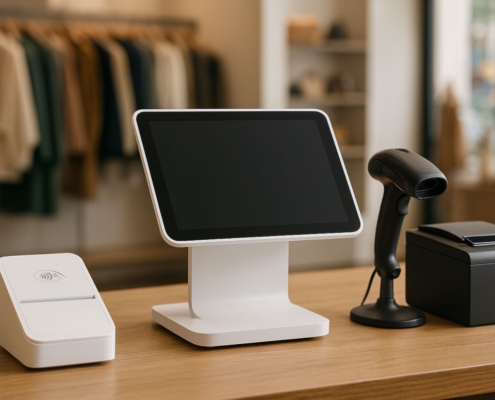
You’ll often see buttons on the payment terminal suggesting tip percentages. You can also leave cash on the table.
2. At a bar:
Bartenders may have a jar, or you can add a tip on the card. Many customers tip $1 per drink, though for cocktails or specialty drinks, people tip more.
3. In taxis:
Cash works best. Apps also work if you prefer not to carry money.
The important part is not the method; it’s simply making sure the person receives the tip.
The Rise of Pre-Suggested Tips
Technology changed tipping culture. Many payment systems now present suggested tips, sometimes starting as high as 22% or 25%.
For anyone new to American tipping culture, those suggested amounts on the screen can feel a bit much. Sometimes it even feels like the machine is nudging you. The server is standing close enough to read your mind while you make the decision. It can feel awkward.
But here’s the part many forget: those are just suggestions. They aren’t rules, they aren’t obligations, and they certainly aren’t laws. You can tap a lower amount. You can type in your own number. You can skip tipping entirely if the service truly didn’t deserve it. The machine may make it look like there’s only one “acceptable” answer, but you still decide.
Also, pay attention to what’s actually on the bill. Many visitors confuse sales tax with a tip because it shows up as an additional percentage. It’s not. Sales tax goes straight to the government, not the server. Gratuity is a separate thing entirely.
What Happens if You Don’t Tip?
Legally, nothing happens. No restaurant can chase you out or demand it. There is no fine, no penalty, and no police waiting outside. But socially? That’s where the story changes. Tipping sits at the heart of American service culture, for better or worse. Many servers are paid below minimum wage and make up the difference through tips. To them, a tip isn’t a “bonus” — it’s how they afford rent, groceries, & bus passes. It can be interpreted as dismissive when someone leaves nothing. “Is tipping mandatory?” keeps reappearing because the technical answer is always “no.
Of course, if the service itself was genuinely poor, you’re not locked into tipping. Just remember that context matters. Food showing up cold is usually in the kitchen, not the person bringing it to the table. A bartender taking a while during a packed Saturday rush isn’t ignoring you — they’re drowning. American tipping culture is messy, but those nuances help you decide what feels fair.
When You Don’t Need to Tip
Not every situation calls for it. For example:
Supermarkets:
You buy groceries, you leave. No tip.
Fast food counters:
Most counter-service setups don’t expect tips.
Self-service places:
If you pick up your own food and bus your own table, tipping isn’t standard — though tip jars have become more common.
When gratuity is included:
Some restaurants automatically add a service charge, especially for groups or special events. If you see “gratuity” on the bill, you do not need to tip extra unless you want to.
Should You Tip if Service Is Bad?
In most industries, no. Poor service means no tip.
Restaurants are different. Even if the experience is disappointing, people often still leave around 10%, not as a reward but as an acknowledgment that servers depend on tips to earn their wages. If the issue was in the kitchen, tipping the server remains common.
Withholding the tip is within your rights if the server was rude, negligent, or indifferent.
Conclusion
Tipping in the United States takes getting used to. The whole tipping setup in the U.S. doesn’t follow clean logic. Is tipping mandatory? In spirit, no. In practice, the culture complicates the answer. There is no standardization. It shifts from place to place. But after you learn the basic expectations, it feels a lot less confusing. In practice, tipping is just a social norm. It’s a way of acknowledging the work someone’s doing for you.